
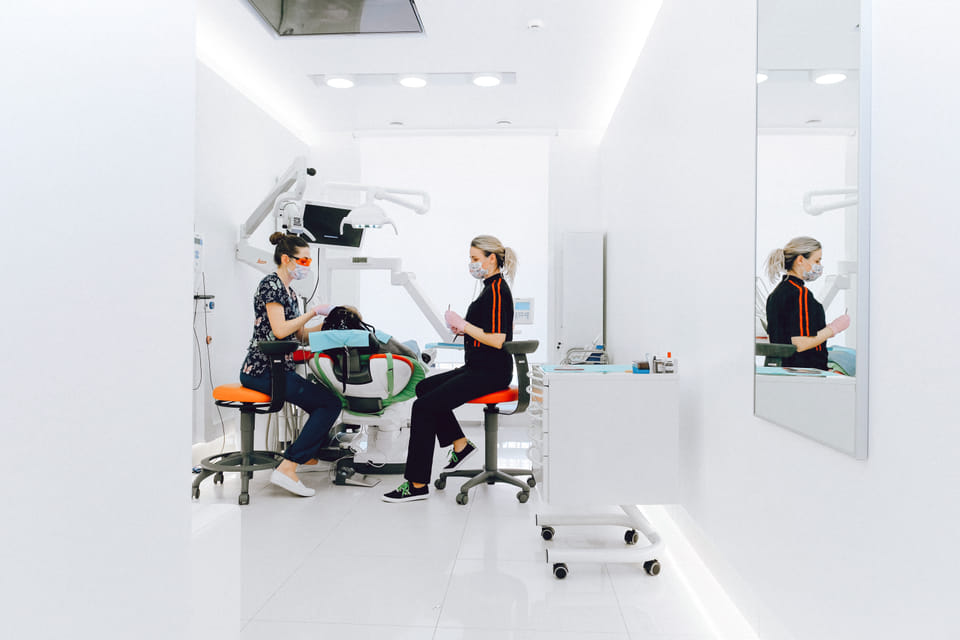

Welcome to the World of Dental Practice Management 🦷
Running a successful and ethical dental practice is a balancing act, akin to walking a tightrope. On one side lies the administrative side, a maze of managerial responsibilities, strategies for optimal efficiency, and the unending quest for dental office success. On the other side is the heart of your practice - patient care. How do you provide exceptional service while navigating the labyrinth of dental office management? And how do you ensure your practice keeps to the highest ethical standards, as outlined by the American Dental Association?
Perhaps you're transitioning from dental school to practice, or you're looking for fresh dental office tips to rejuvenate your established clinic. Either way, the challenges of dental practice management can seem daunting. But fear not, for this guide will light your path, offering practical advice and tangible strategies for a successful dental practice. Ready to juggle the demands of running an ethical dental office with finesse? Let's dive in.

Mastering the Art of Dental Office Management: The Key Elements
Speak the Dental Language: Mastering Patient Communication
Effective communication plays a pivotal role in dental office management. It's not just about explaining procedures; it's about building trust, understanding patient anxieties, and providing reassurance. So, how can we enhance this crucial aspect? First, active listening is key. By truly hearing your patients, you can better address their concerns and reduce misunderstandings. Remember, it's a dialogue, not a monologue. Secondly, use layman's terms. While you may be comfortable with dental jargon, most patients aren't. Simplifying complex terms can greatly enhance understanding. Lastly, maintain transparency about treatments and costs. This fosters trust and can lead to increased patient loyalty, contributing to your dental practice success. After all, isn't a successful dental practice one that puts patients first?
Creating Harmony: Staff Management & Relationships in Dental Practice
Delving into the heart of a thriving dental office, one finds a team that's more than just co-workers; they're a cohesive unit. The key to a successful dental practice lies in the art of dental office management. It's about fostering an environment that encourages growth, learning, and mutual respect. It's not merely about hiring the right people, but also about investing in their continuous training and development. After all, your staff are the ambassadors of your practice, aren't they?
But how do you cultivate such a positive work atmosphere? It starts by setting clear expectations, rewarding hard work, and promoting open communication. Remember, a happy team translates into a happy patient base. And isn't that the ultimate goal of any successful dental practice?
Now, let's shift our focus onto another crucial aspect - ethics. How does an ethical dental office contribute to this equation? Read on to explore.
The Moral Tooth: Navigating Ethical Considerations in Dentistry
As a cornerstone of any successful dental practice, the ethical compass should guide every decision, every interaction, and every procedure. Why? Because ethics in dentistry isn't just about following the American Dental Association's ethical principles. It's about cultivating a culture of trust and respect, both with patients and within the team. It's about ensuring that the dental office management adheres strictly to the dental ethics manual. A breach of ethics could tarnish your reputation, impact patient trust, and, in severe cases, could even lead to legal repercussions.
But what does an ethical dental practice look like? It means transparent communication, respect for patient autonomy, and a commitment to professional competence. It's about ensuring that the dental ethics at chairside are upheld, and that the entire team understands and adheres to the dental hygiene ethics. It's about being an ethical dental clinic that patients trust, staff love, and peers respect.
To further illustrate the importance of effective dental practice management, let's take a look at a real-life example of how to run a profitable dental office.
The video above provides a comprehensive overview of the intricacies involved in managing a dental office. As we move forward, we'll delve deeper into specific strategies that can contribute to the success of a dental practice.
Blueprint to a Thriving Dental Practice: Top Strategies
Turning the key in the lock of a successful dental practice is not just about excellent clinical skills. It's a blend of savvy dental office management, ethical principles, and a dash of business acumen. Ever wondered how some dental offices create a seamless patient experience, from the moment they step in until they leave, all smiles? The secret lies in effective dental practice management tips, which we're about to unveil.
Imagine running an office where every process is optimized, from appointment scheduling to patient communication. Picture a place where your team feels appreciated, and patients trust you implicitly. Sounds like a dream? Well, with the right strategies, it's a reality within reach. And if you're pondering on how to reduce staff turnover or attract new patients, stay tuned.
Let's dive into the world of dental practice success, where ethics meet efficiency, and patient satisfaction is the ultimate reward.
Embracing the Digital Smile: Leveraging Technology in Dentistry
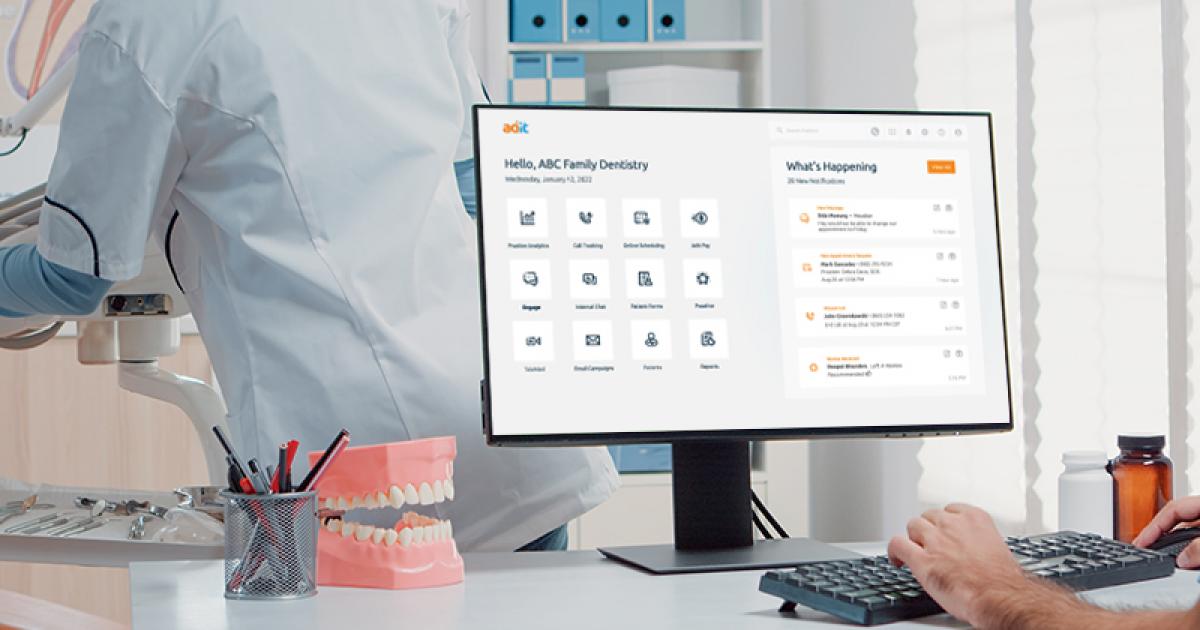
As we journey deeper into the digital era, the smart adoption of technology has become a game-changer for dental office management. Ever heard of tele-dentistry? This innovation allows for remote consultations, follow-ups, and patient education, making your practice accessible even from the comfort of your patient's home. But that's just the tip of the iceberg! Cloud-based dental practice management software can revolutionize your operations, from appointment scheduling to billing, record-keeping, and even patient communication. What software do dentists commonly use to manage their practice, you ask? There are plenty of options out there, each with its own unique features tailored to the needs of a modern dental office. Embracing these technological advancements not only streamlines your practice but also enhances patient experience - a surefire recipe for a successful dental practice.
Impact of Technology on Dental Practice Efficiency
Playing by the Rules: Ensuring Regulatory Compliance in Your Dental Practice
Steering the ship of a thriving dental practice isn't just about perfecting the art of dentistry. It's about navigating the sea of legal and regulatory requirements that, while they may seem daunting, are crucial for maintaining a successful and ethical dental office.
Think of it this way: your dental practice is a puzzle, and each piece - from patient care to management software - plays a vital role. But what holds these pieces together? It's your commitment to regulatory compliance and ethics. This is the adhesive that gives your puzzle its shape and stability.
So, how do you ensure your practice doesn't drift into murky waters? By staying informed, updated, and proactive with your legal responsibilities. This not only keeps your practice afloat but also fosters trust with your patients - a cornerstone for any growing dental practice. Remember, when it comes to running a dental office, playing by the rules isn't just good ethics, it's good business.
No More Waiting Rooms: Optimizing Dental Appointment Scheduling
Let's dive into the nitty-gritty of appointment scheduling, a critical yet often overlooked aspect of dental office management. The key to success? Embrace technology! Modern dental practice management software options can automate this task, reducing human error and freeing up your staff for other responsibilities. But what about those pesky no-shows and last-minute cancellations? Consider implementing a confirmation system, like automated text or email reminders, to ensure your patients remember their appointments. And for cancellations, a well-managed waitlist can turn a potential loss into a win-win situation. Remember, every minute in your schedule counts in the race towards a successful dental practice. So, are you ready to optimize your appointment scheduling?
Building Trust: Cultivating an Ethical Environment in Your Dental Practice
Imagine a dental practice where every decision, every interaction, is guided by a strong ethical compass. This isn’t just about compliance with the American Dental Association's ethics, it's about creating a culture of integrity. But why does this matter? Well, an ethical dental office is a successful one. It fosters job satisfaction among employees, creating a positive work environment that breeds productivity and excellence. Patients, in turn, feel the authenticity and trust the practice more. This trust translates into loyalty, referrals, and ultimately, the overall success of the practice. So, how do you cultivate this ethical environment? It starts with understanding and implementing the core ethical values in dentistry. Want to dig deeper into this topic? Check out our guide on managing a dental clinic effectively and ethically.
Core Ethical Values in a Dental Practice
- Respect for Autonomy: This principle emphasizes the patient's right to make informed decisions about their dental care. It requires clear, honest communication about treatment options, risks, and benefits.
- Nonmaleficence: Also known as "do no harm," this principle requires dental professionals to avoid causing harm to patients, whether physical, psychological, or financial.
- Beneficence: This principle compels dental professionals to act in the best interest of their patients, promoting their health and wellbeing above all else.
- Justice: This principle requires fair treatment of all patients, regardless of their background, socioeconomic status, or personal characteristics. It also involves advocating for equal access to dental care.
- Veracity: This principle underscores the importance of truthfulness and honesty in all interactions with patients, from diagnosis to treatment planning and billing.
- Confidentiality: Dental professionals must respect the privacy of their patients and protect their personal health information, in compliance with laws like HIPAA.
- Professionalism: This value encompasses maintaining high standards of conduct, continuing education, and upholding the dignity and honor of the dental profession.
Now that we've discussed the core ethical values in a dental practice, let's address some common questions and misconceptions about dental ethics.
Understanding and addressing these common questions and misconceptions about dental ethics can help you cultivate an ethical environment in your practice. As we move towards the conclusion, remember that running a successful, efficient, and ethical dental practice is a continuous journey of learning and improvement.
Your Dental Success Story: The Next Chapter Awaits
As the sun sets on our exploration of dental practice management, let's not forget that the heart of a successful dental practice beats in rhythm with ethics, efficiency, and innovation. But who said this rhythm is easy to catch? Perhaps the challenges are more common than you think?
Remember, your dental office isn't just a space of medicine; it's a theater where the acts of care, compassion, and professionalism play out day after day. Will the show be a hit? That depends on how well you market your performance and leverage technology to fine-tune your operations.
So, we leave you with this: managing a dental practice is much like conducting an orchestra. Each section must play in harmony to create a symphony of success. Are you ready to raise your baton?
Key Aspects of Dental Practice Management
Test your understanding of the key aspects of managing a successful and ethical dental practice.
Learn more about 🦷 Key Aspects of Dental Practice Management Quiz 📝 or discover other Dentistry Guidelines quizzes.

No comments yet. Be the first to share your thoughts!