

Identifying Your Target Market
Identifying Your Target Market
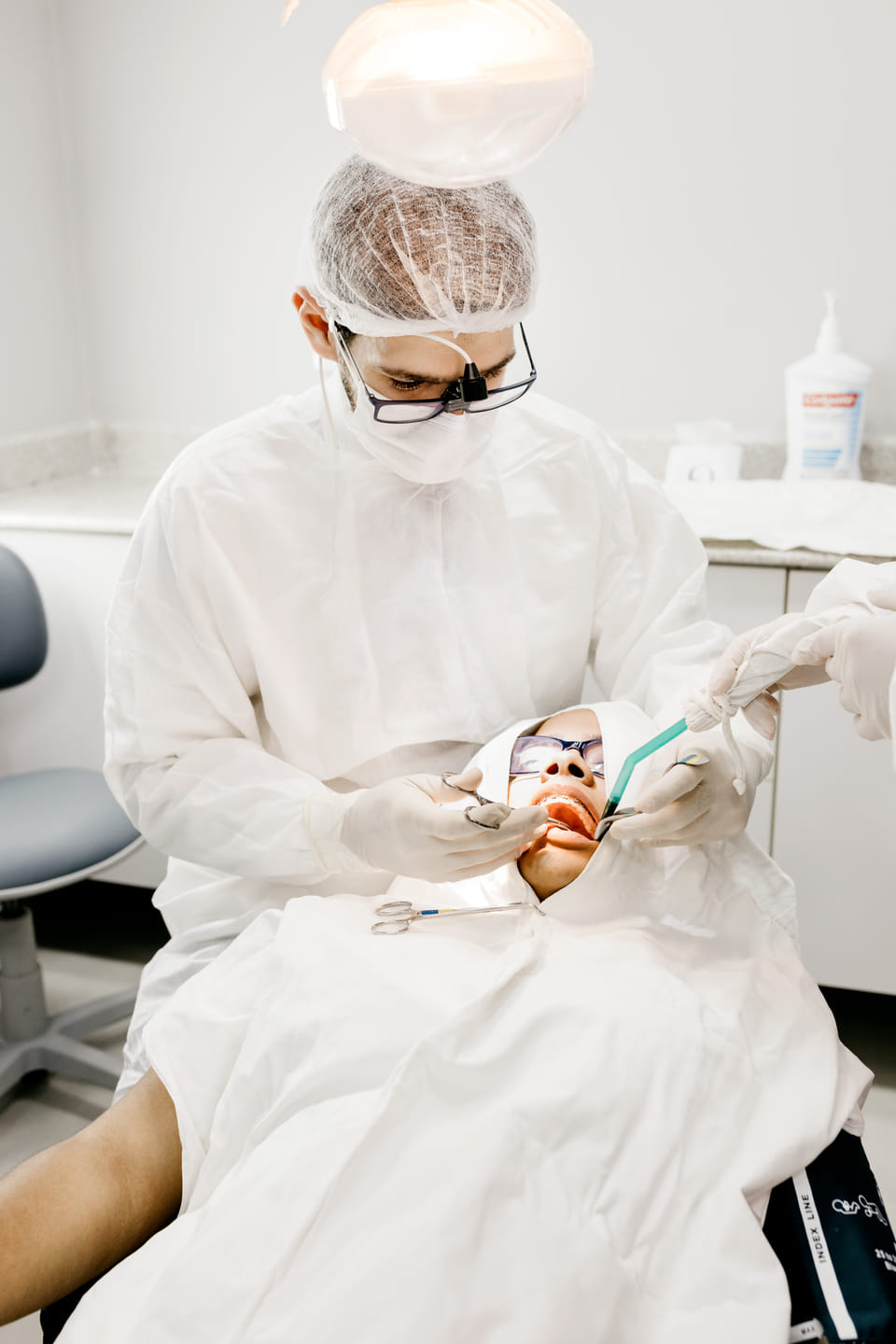
Before you can begin marketing your dental practice, it's important to identify your target market. This means understanding the demographics, psychographics, and behaviors of the people who are most likely to become your patients.
Start by looking at your current patient base. What are their ages, genders, and income levels? What are their interests and values? What motivates them to seek dental care?
Next, consider the local community. Are there any particular groups that are underserved or have unique dental needs? For example, if you're located in an area with a large population of seniors, you may want to focus on marketing services like dentures or implants.
Once you have a clear understanding of your target market, you can tailor your marketing efforts to reach them more effectively. This might include creating targeted ads on social media, offering promotions that appeal to their interests, or partnering with local businesses that cater to their demographic.
Remember, the more you know about your target market, the better you can serve their needs and build a loyal patient base.
Developing a Strong Brand Identity
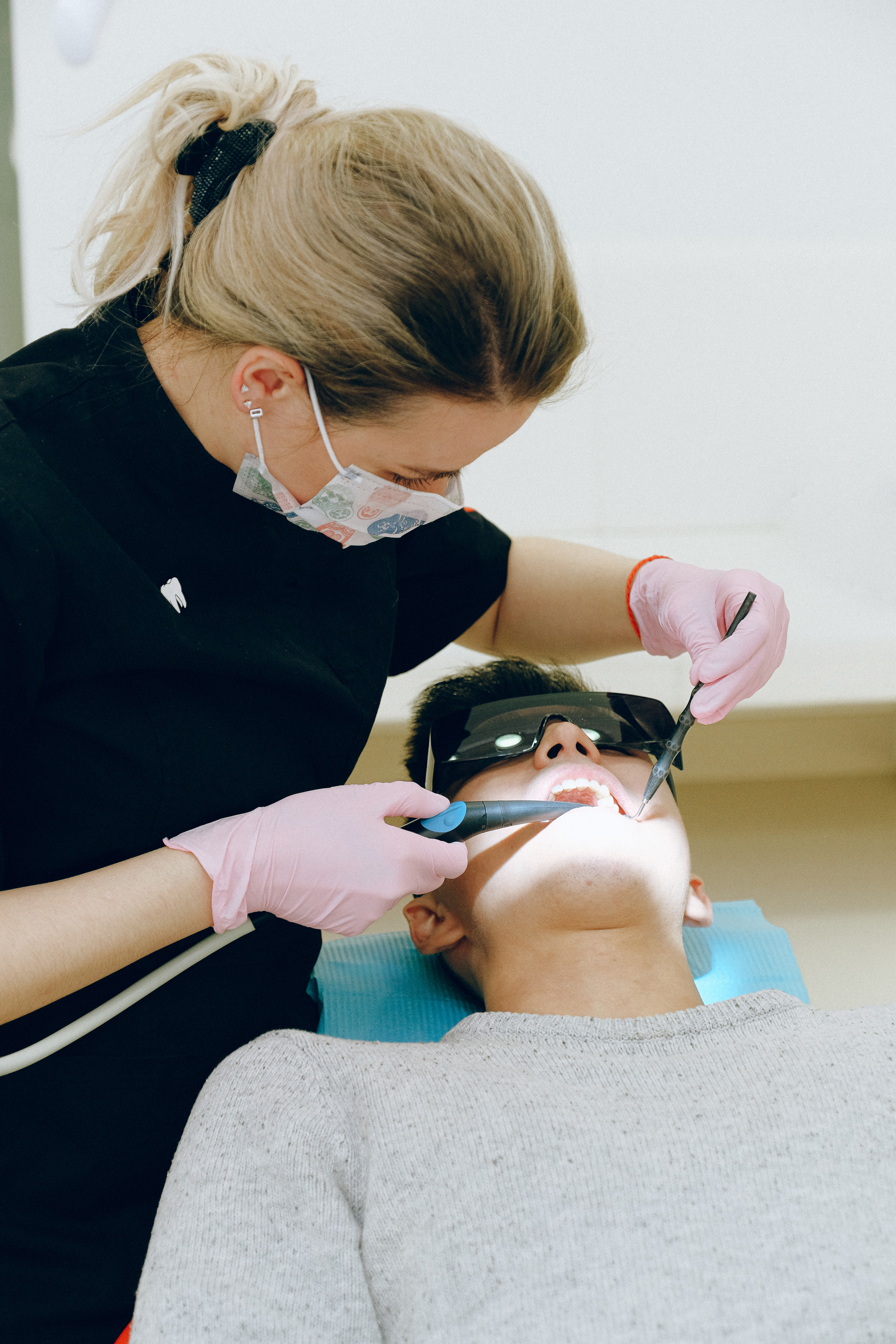
Developing a strong brand identity is crucial for any dental practice. Your brand is what sets you apart from other practices and helps patients remember you. It encompasses everything from your logo and website to your office decor and patient experience. Here are some key steps to developing a strong brand identity:
1. Define your practice's values and mission. What do you stand for? What sets you apart from other practices? Your values and mission should be reflected in everything you do, from the way you interact with patients to the design of your website.
2. Create a memorable logo and visual identity. Your logo should be simple, memorable, and reflective of your practice's values and mission. It should be used consistently across all marketing materials, from business cards to social media profiles.
3. Design a user-friendly website. Your website is often the first impression patients will have of your practice. It should be easy to navigate, visually appealing, and informative. Make sure it reflects your brand identity and values.
4. Develop a consistent voice and tone. Whether it's in your social media posts or patient communications, your practice should have a consistent voice and tone that reflects your brand identity. Are you formal and professional, or more casual and friendly?
5. Train your staff to embody your brand. Your staff should be trained to embody your practice's values and mission. They should be knowledgeable about your services and able to communicate effectively with patients.
By developing a strong brand identity, you can differentiate your practice from competitors and build a loyal patient base. Remember to stay consistent and true to your values and mission in all aspects of your practice.
Creating a Comprehensive Marketing Plan
Creating a Comprehensive Marketing Plan
Marketing is an essential aspect of any successful dental practice. It is important to have a clear understanding of your target market and develop a strong brand identity to effectively promote your practice. However, marketing efforts should not be limited to just these two aspects. To create a comprehensive marketing plan, you need to consider various other factors that can help you reach your target audience and grow your practice.
One of the first steps in creating a marketing plan is to identify your unique selling proposition (USP). This is what sets your practice apart from others in the market. It could be your expertise in a particular area of dentistry, your state-of-the-art technology, or your exceptional patient care. Once you have identified your USP, you can use it to create a compelling message that resonates with your target audience.
Another important aspect of a comprehensive marketing plan is to have a strong online presence. This includes having a professional website that is optimized for search engines, creating informative and engaging content, and leveraging social media platforms to connect with potential patients. It is also important to regularly monitor and respond to online reviews to maintain a positive reputation.
In addition to online marketing, traditional marketing methods such as print ads, direct mail, and community outreach can also be effective in reaching your target audience. It is important to track the success of each marketing effort to determine what works best for your practice and adjust your plan accordingly.
Creating a comprehensive marketing plan takes time and effort, but it is a crucial aspect of building a successful dental practice. By identifying your USP, having a strong online presence, and utilizing various marketing methods, you can effectively promote your practice and attract new patients.
Leveraging Social Media for Your Practice
In today's digital age, social media has become an essential tool for businesses to connect with their target audience and promote their brand. As a dental practice owner, leveraging social media can help you reach potential patients, build brand awareness, and establish your practice as a thought leader in the industry.
To start, it's important to identify which social media platforms your target audience is most active on. For example, if you're targeting younger patients, platforms like Instagram and TikTok may be more effective than Facebook. Once you've identified your target platforms, it's time to start creating content.
Your social media content should be engaging, informative, and visually appealing. Consider sharing educational posts about dental health, showcasing before-and-after photos of your patients, and highlighting any special promotions or events your practice is hosting. Don't be afraid to get creative with your content - videos, infographics, and user-generated content can all be effective ways to engage with your audience.
In addition to creating content, it's important to engage with your followers on social media. Respond to comments and messages promptly, and consider running social media contests or giveaways to encourage engagement.
Finally, don't forget to track your social media metrics to measure the success of your efforts. Use tools like Google Analytics and social media analytics to track engagement, website traffic, and conversions.
By leveraging social media effectively, you can build a strong online presence for your dental practice and attract new patients.
Effective Patient Communication Strategies
Effective patient communication is essential for building a successful dental practice. Patients want to feel heard, understood, and valued. Good communication can help build trust, increase patient satisfaction, and improve treatment outcomes. Here are some strategies for effective patient communication:
1. Active Listening: Listening actively to your patients can help you understand their concerns, needs, and expectations. It is essential to give your patients your undivided attention and avoid interrupting them. Encourage them to ask questions and clarify their doubts.
2. Empathy: Empathy is the ability to understand and share the feelings of others. It is crucial to show empathy towards your patients and acknowledge their fears and anxieties. Use phrases like "I understand how you feel" or "I can see why this is concerning for you."
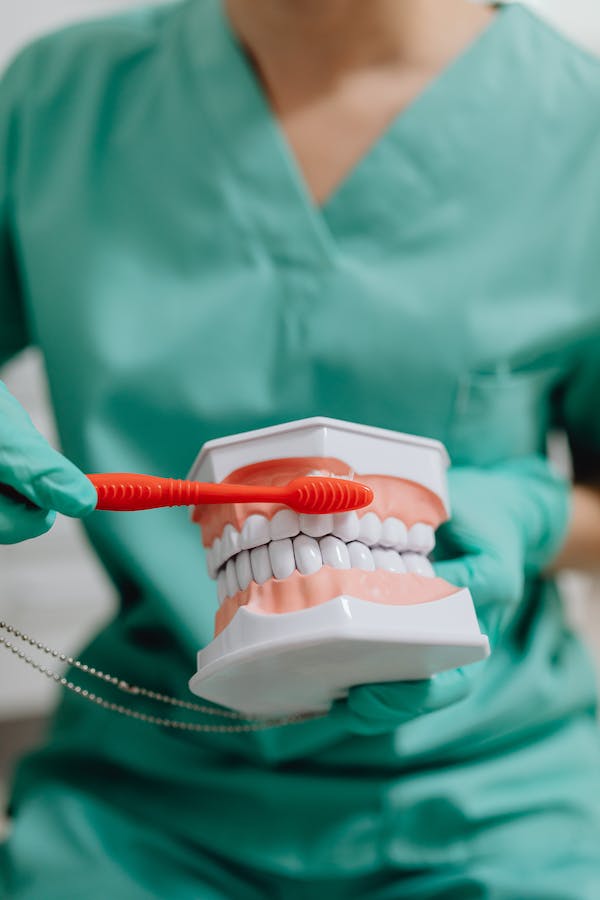
3. Clear Communication: Use simple and clear language to explain the treatment options, procedures, and costs to your patients. Avoid using technical jargon that may confuse or intimidate them. Use visual aids like diagrams or models to help them understand better.
4. Follow-up: Follow-up with your patients after the treatment to check on their progress and address any concerns they may have. This shows that you care about their well-being and are committed to their long-term oral health.
Effective patient communication can help you build a loyal patient base and establish a positive reputation in the community. By listening actively, showing empathy, communicating clearly, and following up, you can create a patient-centered practice that delivers exceptional care.
Hiring and Managing a Winning Team
Hiring and Managing a Winning Team
One of the most important factors in building a successful dental practice is having a team of skilled and dedicated professionals who share your vision and values. Hiring the right people and managing them effectively can be a challenge, but it is essential for the long-term success of your practice.
When hiring new team members, it is important to look beyond their technical skills and qualifications. You also need to consider their personality, work ethic, and ability to work well with others. Look for candidates who are passionate about dentistry and committed to providing excellent patient care.
Once you have assembled your team, it is important to provide ongoing training and support to help them grow and develop in their roles. This can include continuing education courses, team-building exercises, and regular performance evaluations.
Effective communication is also key to managing a winning team. Make sure everyone is clear on their roles and responsibilities, and encourage open and honest communication to address any issues or concerns that may arise.
Finally, it is important to recognize and reward your team for their hard work and dedication. This can include bonuses, promotions, or other incentives to keep them motivated and engaged.

By hiring and managing a winning team, you can create a positive and productive work environment that will help your practice thrive for years to come.
Maximizing Efficiency and Profitability
Maximizing Efficiency and Profitability is crucial for the success of any dental practice. By implementing effective management strategies, you can streamline your operations and increase profitability. Here are some tips to help you maximize efficiency and profitability in your dental practice:
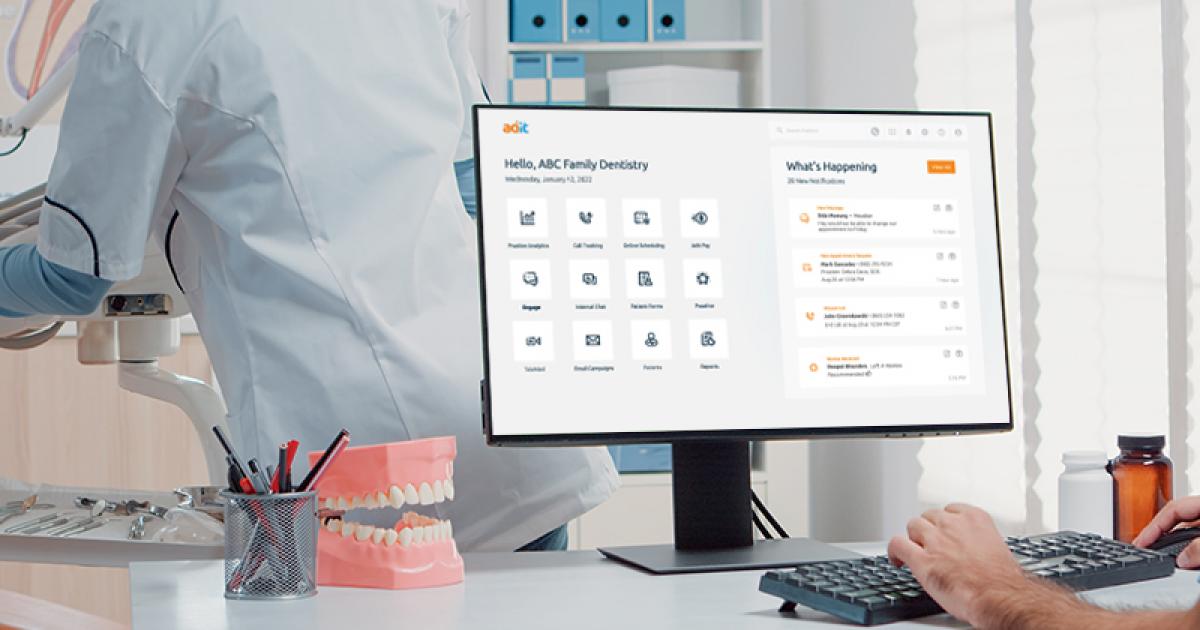
Invest in Technology: Investing in the latest dental technology can help you save time and increase productivity. For example, digital radiography can reduce the time it takes to take and process X-rays, while dental practice management software can help you manage patient records, appointments, and billing more efficiently.
Optimize Your Workflow: Analyze your workflow and identify areas where you can improve efficiency. For example, you can reduce patient wait times by scheduling appointments more effectively or by delegating tasks to your team members.
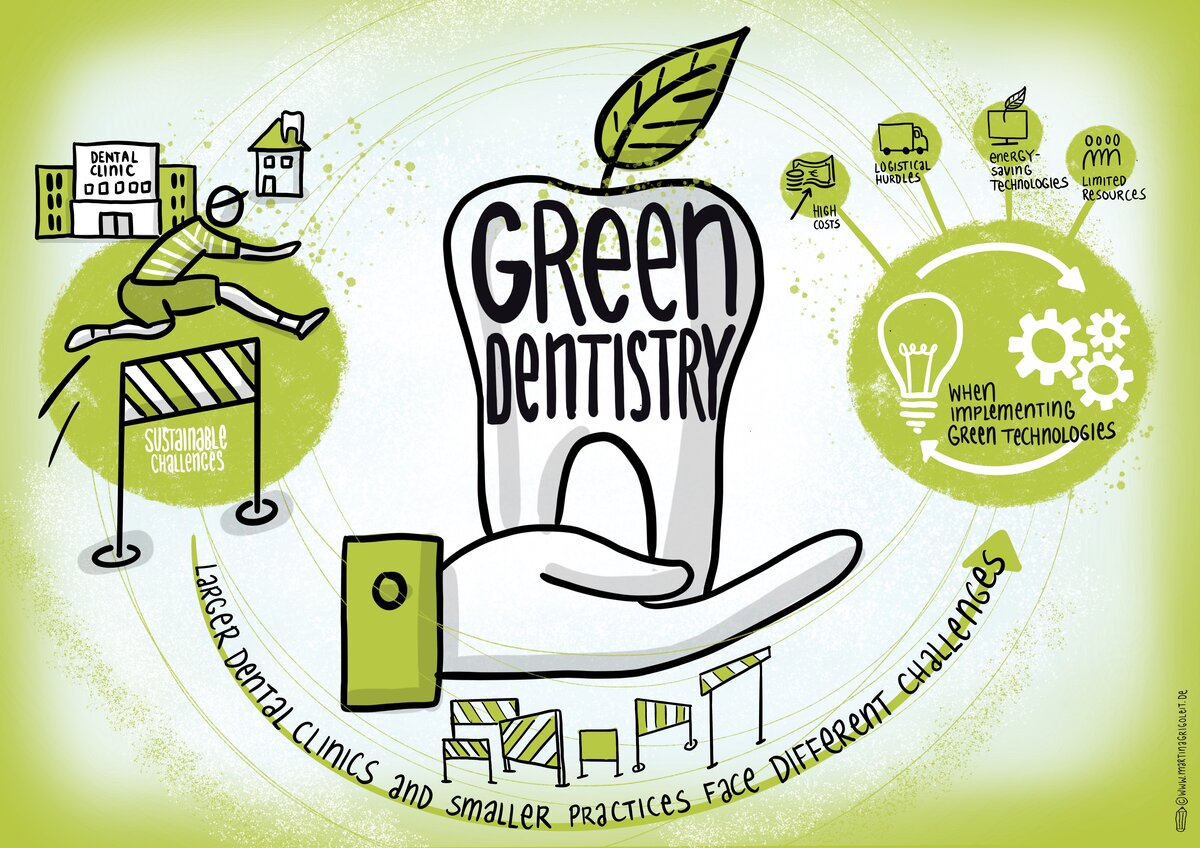
Implement Cost-Cutting Measures: Look for ways to reduce your overhead costs without compromising the quality of care you provide. For example, you can negotiate better deals with suppliers, reduce waste, or switch to energy-efficient equipment.
Offer Flexible Payment Options: Offering flexible payment options can help you attract more patients and increase revenue. Consider offering payment plans or accepting different forms of payment, such as credit cards or online payments.
Track Your Performance: Regularly track your performance metrics, such as patient satisfaction, revenue, and expenses. This will help you identify areas where you can improve and make data-driven decisions to optimize your practice.
By implementing these strategies, you can maximize efficiency and profitability in your dental practice, while providing high-quality care to your patients.
Staying Ahead of the Competition with Continuing Education
Staying Ahead of the Competition with Continuing Education
Continuing education is essential for any dental professional who wants to stay ahead of the competition and provide the best possible care to their patients. With new technologies and techniques emerging all the time, it's important to stay up-to-date with the latest developments in the field of dentistry.
One way to stay informed is to attend dental conferences and seminars. These events offer a great opportunity to learn from experts in the field, network with other professionals, and discover new products and services that can benefit your practice. Many conferences also offer continuing education credits, which can help you meet your state's licensing requirements.
Another way to stay ahead of the competition is to pursue advanced training and certifications. For example, you might consider becoming a certified Invisalign provider or a specialist in dental implants. These additional credentials can help you stand out from other dentists in your area and attract new patients who are seeking specialized care.
It's also important to encourage your team members to pursue continuing education opportunities. By investing in their professional development, you can help them stay motivated and engaged, which can lead to better patient outcomes and a more successful practice overall.
Remember, continuing education isn't just about staying competitive - it's also about providing the best possible care to your patients. By staying informed and up-to-date, you can ensure that your practice is always offering the latest and most effective treatments and procedures.

No comments yet. Be the first to share your thoughts!