


Why Choose Dentistry as a Career?
Why Choose Dentistry as a Career?
Dentistry is a rewarding and fulfilling career that offers a unique combination of science, art, and patient care. As a dentist, you have the opportunity to improve the oral health and overall well-being of your patients, while also building lasting relationships with them.
One of the main reasons why people choose dentistry as a career is the job security and financial stability it provides. According to the Bureau of Labor Statistics, the employment of dentists is projected to grow 3 percent from 2019 to 2029, which is about as fast as the average for all occupations. Additionally, dentists earn a median annual salary of $159,200, making it one of the highest-paying healthcare professions.
Another reason why dentistry is a popular career choice is the variety of career paths available. Dentists can choose to work in private practice, public health, academia, research, or even the military. This flexibility allows dentists to tailor their careers to their interests and goals.
Finally, dentistry offers a unique blend of science and art. Dentists must have a strong foundation in biology, chemistry, and anatomy, but they must also possess the creativity and manual dexterity to perform intricate procedures and create beautiful smiles.
If you are considering a career in dentistry, it is important to research the profession thoroughly and gain a clear understanding of the requirements and expectations of dental school. With dedication and hard work, a career in dentistry can be both personally and professionally rewarding.

What are the Requirements for Dental School?
What are the Requirements for Dental School?
Before you can even think about applying to dental school, you need to meet certain requirements. These requirements vary slightly from school to school, but there are some general guidelines that you should be aware of.
First and foremost, you need to have a bachelor's degree. While there is no specific major required, most dental schools prefer applicants who have completed coursework in biology, chemistry, and physics. Some schools also require courses in English, psychology, and sociology.
In addition to a bachelor's degree, you will need to take the Dental Admission Test (DAT). This exam measures your academic ability, scientific knowledge, and perceptual ability. It is important to prepare thoroughly for the DAT, as it is a major factor in dental school admissions.
Most dental schools also require letters of recommendation from professors, dentists, or other professionals who can attest to your academic ability and potential for success in the field of dentistry.
Finally, you will need to demonstrate your commitment to the field of dentistry through extracurricular activities, volunteer work, or work experience in a dental office.
Meeting these requirements is just the first step in the dental school application process. It is important to research individual schools and their specific requirements to ensure that you are fully prepared to apply.

What to Expect During Dental School?
What to Expect During Dental School?
Entering dental school can be an exciting and challenging experience. It is a rigorous program that requires a lot of dedication and hard work. Here are some things you can expect during dental school:
1. Intensive Coursework: Dental school is a four-year program that is divided into two parts: preclinical and clinical. During the preclinical years, you will be taking intensive coursework in anatomy, physiology, biochemistry, microbiology, and other related subjects. You will also learn about dental materials, dental anatomy, and dental radiology. In the clinical years, you will be working with patients under the supervision of licensed dentists.
2. Hands-on Experience: Dental school is not just about learning in the classroom. You will also have the opportunity to gain hands-on experience by working on real patients. This will help you develop your clinical skills and prepare you for your future career as a dentist.
3. Long Hours: Dental school is a full-time program that requires a lot of time and effort. You will be spending long hours in the classroom, laboratory, and clinic. It is important to manage your time effectively and prioritize your studies.
4. High Expectations: Dental school is a competitive program that requires a high level of academic performance. You will be expected to maintain a high GPA and pass all of your exams. It is important to stay focused and motivated throughout the program.
5. Teamwork: Dentistry is a team-oriented profession, and dental school is no exception. You will be working closely with your classmates and faculty members to provide the best possible care to your patients. It is important to develop good communication and teamwork skills.

Overall, dental school is a challenging but rewarding experience. It will provide you with the knowledge and skills you need to become a successful dentist. By knowing what to expect and preparing accordingly, you can make the most of your dental school experience.
How to Prepare for Dental School?
Preparing for dental school can be a daunting task, but with the right mindset and approach, you can set yourself up for success. Here are some tips to help you prepare for dental school:
1. Research the Dental School Requirements: Before you apply to dental school, it is important to research the requirements of the schools you are interested in. This includes the minimum GPA, prerequisite courses, and admission test scores. Make sure you meet all the requirements before applying. 2. Shadow a Dentist: Shadowing a dentist will give you an idea of what the day-to-day life of a dentist is like. It will also give you an opportunity to ask questions and learn more about the profession. 3. Volunteer: Volunteering at a dental clinic or hospital will give you hands-on experience and an opportunity to work with patients. It will also show dental schools that you are committed to the profession. 4. Take Advantage of Pre-Dental Programs: Many colleges and universities offer pre-dental programs that can help you prepare for dental school. These programs offer courses in biology, chemistry, and physics, as well as guidance on the dental school application process. 5. Study for the DAT: The Dental Admission Test (DAT) is a standardized test that measures your academic ability and scientific knowledge. It is an important part of the dental school application process, so make sure you study and prepare for it.By following these tips, you can prepare yourself for dental school and increase your chances of being accepted into a program. Remember, dental school is challenging, but with hard work and dedication, you can succeed and become a successful dentist.

Tips for Succeeding in Dental School
Tips for Succeeding in Dental School
Dental school can be challenging, but with the right mindset and strategies, you can succeed and excel in your studies. Here are some tips to help you:
- Stay organized: Dental school can be overwhelming with a lot of coursework, exams, and clinical rotations. Make sure to stay organized by using a planner, creating a study schedule, and prioritizing your tasks.
- Collaborate with peers: Dental school is a team effort, and working with your peers can help you learn and understand concepts better. Form study groups, participate in group projects, and collaborate on assignments.
- Take care of yourself: Dental school can be stressful, and it's essential to take care of your physical and mental health. Make sure to exercise regularly, eat a balanced diet, get enough sleep, and take breaks when needed.
- Ask for help: Don't be afraid to ask for help when you need it. Whether it's from your professors, peers, or academic advisors, seeking help can make a significant difference in your academic performance and overall well-being.
- Stay updated: Keep up with the latest trends and developments in dentistry by attending conferences, workshops, and seminars. This can help you stay ahead of the curve and make informed decisions about your career path.
By following these tips, you can succeed in dental school and prepare yourself for a rewarding career in dentistry.

Exploring Different Career Paths in Dentistry
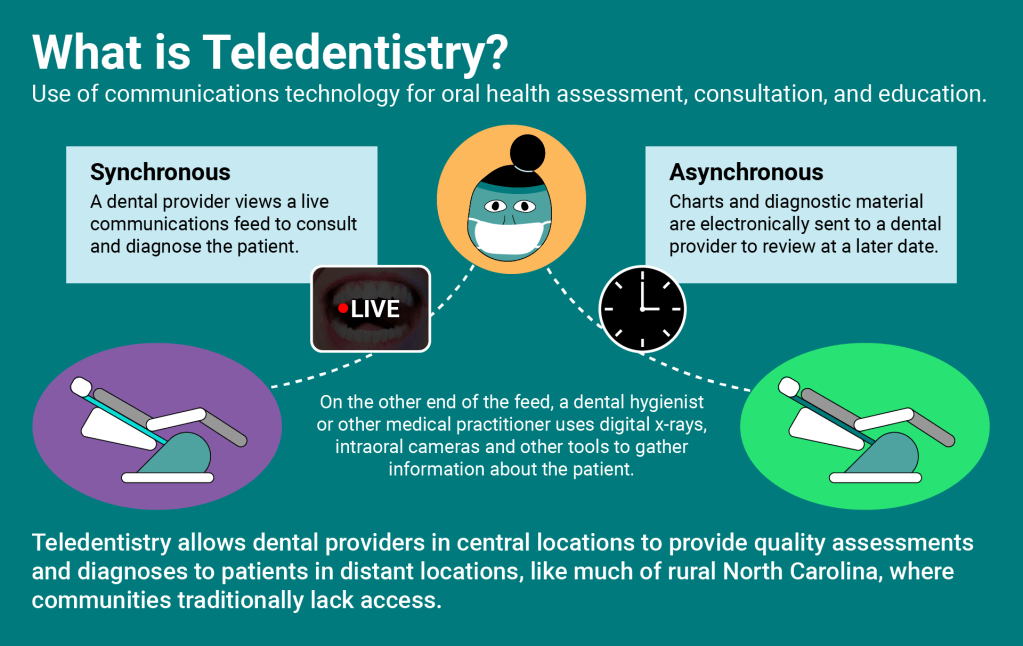
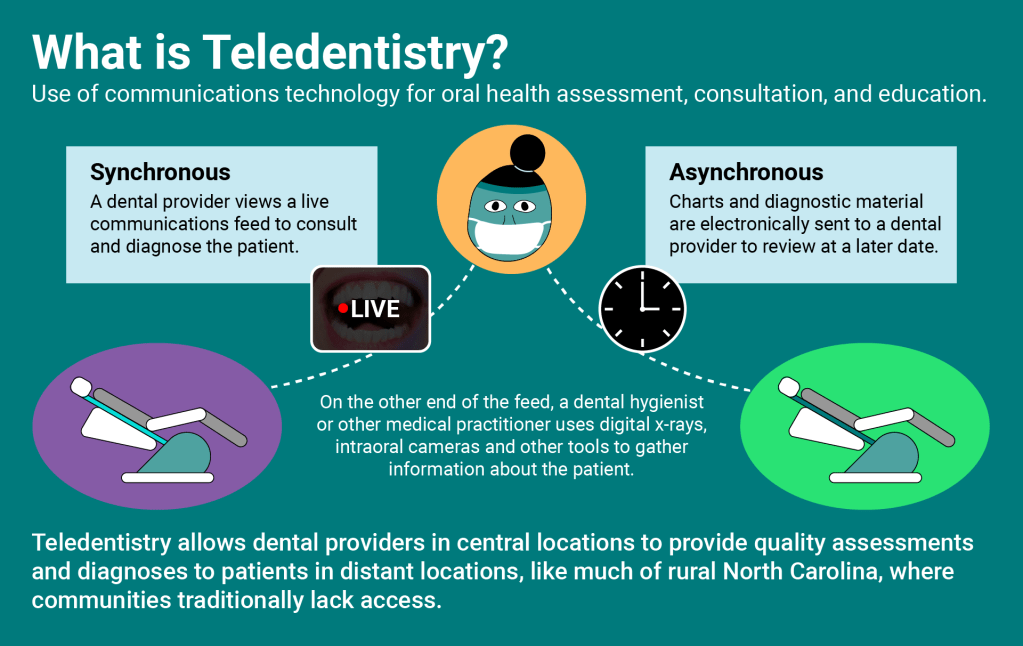
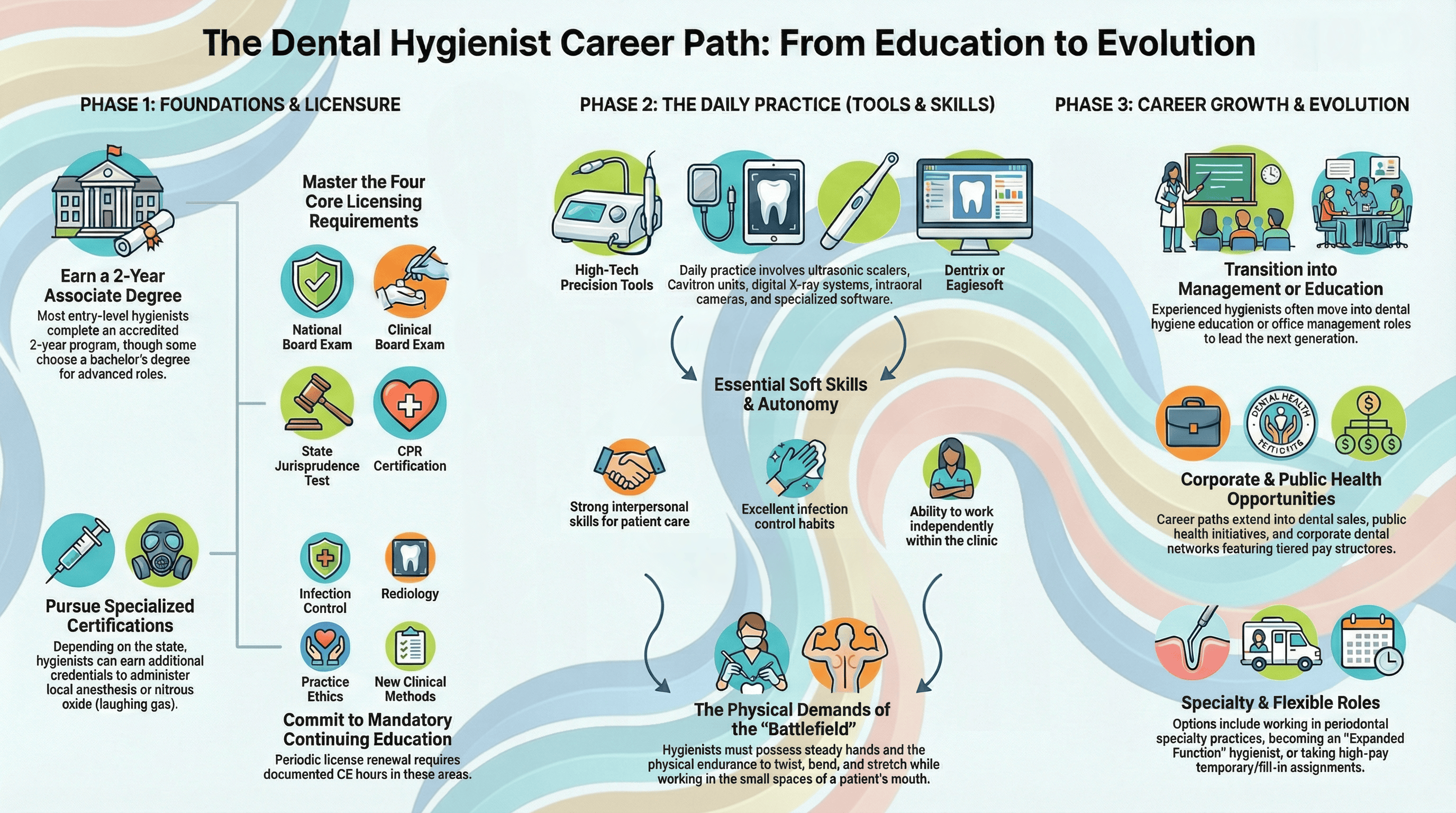
Exploring Different Career Paths in Dentistry Dentistry is a vast field that offers a variety of career paths. While most people think of dentists as the only career option in dentistry, there are several other career paths that one can pursue. Here are some of the different career paths in dentistry: Dental Hygienist: Dental hygienists are licensed professionals who work alongside dentists to provide preventive dental care. They clean teeth, examine patients for signs of oral diseases, and educate patients on proper oral hygiene techniques. Dental Assistant: Dental assistants work alongside dentists to provide patient care. They prepare patients for treatment, sterilize instruments, and assist with procedures. Dental Lab Technician: Dental lab technicians work in dental laboratories to create dental prosthetics such as dentures, crowns, and bridges. Oral and Maxillofacial Surgeon: Oral and maxillofacial surgeons are dentists who specialize in surgery of the mouth, jaw, and face. They perform procedures such as wisdom teeth extraction, jaw surgery, and cleft lip and palate repair. Orthodontist: Orthodontists are dentists who specialize in correcting misaligned teeth and jaws. They use braces, retainers, and other devices to straighten teeth and improve bite. These are just a few of the many career paths in dentistry. Each career path requires different education and training, but all offer rewarding and fulfilling careers.
Dental Hygienist
The Latest in Dental Research
The Latest in Dental Research
Dentistry is a constantly evolving field, with new research and technology emerging all the time. Staying up to date with the latest developments is crucial for dentists to provide the best possible care for their patients. Here are some of the latest trends and research in dentistry:
1. Digital Dentistry: Digital technology is revolutionizing dentistry, making procedures more efficient and accurate. From digital impressions to computer-aided design and manufacturing (CAD/CAM) systems, digital dentistry is changing the way dentists work.

2. Stem Cell Research: Stem cells have the potential to regenerate damaged tissues, including teeth. Researchers are exploring the use of stem cells to regrow teeth and repair damaged dental tissues.

3. Oral Microbiome: The oral microbiome is a complex ecosystem of bacteria, fungi, and viruses that live in the mouth. Researchers are studying how changes in the oral microbiome can affect oral health and overall health.

4. Laser Dentistry: Laser technology is being used in dentistry for a variety of procedures, including cavity detection, gum disease treatment, and teeth whitening.

By staying up to date with the latest research and technology, dentists can provide their patients with the best possible care. As a dental student, it's important to stay informed about these developments and be prepared to incorporate them into your practice.
Conclusion
In conclusion, pursuing a career in dentistry can be a rewarding and fulfilling experience. From the rigorous academic requirements of dental school to the practical application of dental techniques, dentistry offers a unique blend of science and artistry.
To succeed in dental school, it is important to have a strong academic background, excellent communication skills, and a passion for helping others. By following the tips outlined in this guide, you can prepare yourself for the challenges and opportunities that lie ahead.
Whether you choose to become a general dentist, a specialist, or pursue a career in dental research, the field of dentistry offers a wide range of career paths to explore. With the latest advancements in dental technology and research, the future of dentistry is bright and full of possibilities.
At Dentistry Guidelines, we are committed to providing you with the most up-to-date and comprehensive information on all things related to dentistry. From exploring different career paths to staying informed on the latest in dental research, we are your go-to resource for all things dentistry.

No comments yet. Be the first to share your thoughts!