

The shift toward AI imaging
Dental imaging is the backbone of any diagnosis. For decades, we've relied on our own eyes to catch issues in radiographs and CBCT scans. It's a system that works, but human eyes get tired and miss things. AI tools are now hitting the market to help us analyze these images faster and with more precision.
Traditional diagnostic methods aren’t flawed, but they have limitations. Subtle pathologies can be easily overlooked, and interpretation can be time-consuming, especially with the increasing volume of imaging data. AI algorithms, however, can be trained to detect patterns and anomalies that might escape the human eye, offering a second opinion and potentially flagging areas of concern. This isn’t about replacing the dentist; it's about providing them with a powerful tool to augment their skills and improve patient care.
The American Dental Association is already tracking how these tools change clinical decisions. This isn't a sudden overhaul; it's a slow creep into our daily workflows. While most of us see it in image analysis today, it's moving into practice management and treatment planning. We need to know what these systems can actually do—and where they fail.
It’s important to understand that these AI systems aren’t operating in a vacuum. They require large, meticulously labeled datasets to train effectively. The quality of these datasets directly impacts the accuracy and reliability of the AI’s analysis. This reliance on data also introduces considerations around data privacy and security, aspects that will become increasingly important as AI adoption grows.
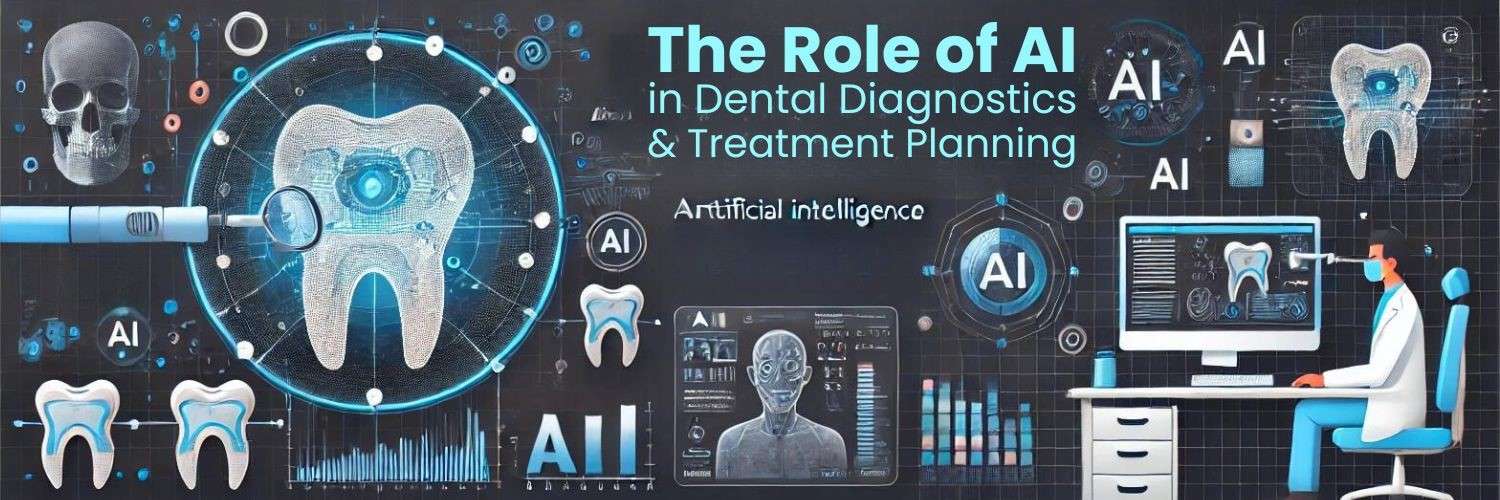
What AI can actually diagnose
The application of AI in dental diagnostics is remarkably diverse. One of the most promising areas is caries detection. AI algorithms can analyze radiographic images to identify early signs of tooth decay, often before they are visible to the naked eye. Studies published in the Journal of Dental Research have demonstrated AI’s ability to detect caries with accuracy comparable to, and sometimes exceeding, that of experienced dentists.
Beyond caries, AI is being used to assess periodontal disease. Algorithms can analyze radiographs to measure bone loss, a key indicator of periodontal health. This can help dentists to accurately stage the disease and monitor treatment progress. Similarly, AI is showing promise in oral cancer screening. By analyzing images of the oral cavity, AI can identify suspicious lesions that warrant further investigation. Early detection is critical for successful treatment, and AI could play a significant role in improving survival rates.
Another valuable application is cephalometric analysis, traditionally a time-consuming process used in orthodontics. AI can automate the identification of key landmarks on cephalometric radiographs, enabling faster and more accurate assessments of skeletal and dental relationships. This can streamline treatment planning and improve orthodontic outcomes. The algorithms used in these applications typically involve deep learning techniques, specifically convolutional neural networks, but details about specific SDKs or package names are rarely made public.
The accuracy of these AI systems varies depending on the specific application and the quality of the training data. However, it’s becoming clear that AI has the potential to detect subtle changes that might be missed by the human eye, leading to earlier and more accurate diagnoses. The technology isn’t perfect, and it’s crucial to remember that AI should be used as a tool to assist dentists, not to replace their clinical judgment.
AI Diagnostic Tool Comparison (2024)
| Diagnostic Area | Overjet | Pearl | Diagnocat |
|---|---|---|---|
| Caries | Strong in detecting and quantifying proximal caries on bitewing radiographs. Offers automated caries scoring. May require adjustments based on image quality and dentist validation. | Focuses on detecting caries, cracks, and other anomalies on radiographs. Provides visual cues and confidence levels for potential issues. Performance can vary with differing radiographic techniques. | Identifies early caries lesions, including white spot lesions, on radiographs. Aims to reduce false negatives, but relies on clear image presentation for optimal results. |
| Periodontal | Offers automated detection of bone loss around teeth, providing measurements and highlighting areas of concern. Supports periodontal charting and treatment planning. | Includes periodontal ligament space analysis and bone loss assessment. Assists in identifying potential areas of attachment loss, but requires clinical correlation. | Can identify furcation involvements and bone loss patterns. Designed to aid in comprehensive periodontal assessments, but is not a replacement for probing. |
| Oral Cancer | Currently, Overjet's capabilities in oral cancer detection are limited, focusing primarily on hard tissue analysis. Further development is needed in this area. | Pearl has demonstrated capabilities in identifying potential oral cancer lesions on extraoral and intraoral images, flagging areas for further review by a specialist. Accuracy is dependent on image quality and lesion characteristics. | Diagnocat includes features for identifying potentially cancerous or pre-cancerous lesions, assisting in early detection. Requires experienced interpretation alongside clinical examination. |
| Cephalometrics | Provides automated tracing of cephalometric landmarks, reducing manual tracing time. Offers a range of cephalometric analyses, but requires user verification of landmark accuracy. | Offers automated cephalometric tracing and analysis, assisting in orthodontic treatment planning. Aims to improve consistency and efficiency in cephalometric assessments. | Automates cephalometric landmark identification and analysis, providing a foundation for orthodontic diagnosis and treatment planning. Requires dentist oversight to ensure accuracy and clinical relevance. |
Illustrative comparison based on the article research brief. Verify current pricing, limits, and product details in the official docs before relying on it.
New roles for 2026
As AI becomes more deeply integrated into dental practices, we can expect to see the emergence of new career paths. The traditional role of the dentist will evolve, but it won't be replaced. Instead, we’ll see a demand for professionals who can bridge the gap between clinical dentistry and artificial intelligence. One potential role is that of an AI-assisted diagnostic specialist – a professional trained to oversee the implementation and operation of AI diagnostic tools, ensuring accuracy and reliability.
Another emerging area is dental data analysis. AI algorithms require vast amounts of data to train and function effectively. Dental data analysts will be responsible for collecting, cleaning, and analyzing this data, identifying trends and patterns that can improve diagnostic accuracy and treatment outcomes. This role requires a strong understanding of data science principles and statistical analysis. The need for these skills extends beyond individual practices, impacting dental schools and research institutions.
We’ll also likely see a demand for professionals focused on AI model training and validation. These individuals will be responsible for continuously improving the performance of AI algorithms, ensuring they remain accurate and reliable over time. This requires expertise in machine learning and a deep understanding of dental diagnostics. While it's difficult to predict exact salary ranges, these specialized roles will likely command a premium due to the high demand and limited supply of qualified candidates.
These new roles will require a combination of clinical knowledge and technical skills. Dentists may choose to pursue additional training in data science or machine learning, while data scientists may benefit from gaining a deeper understanding of dental principles. The key will be interdisciplinary collaboration, bringing together expertise from different fields to maximize the benefits of AI in dentistry.
Emerging Dental AI Roles
- AI Diagnostics Specialist - This role focuses on interpreting diagnostic data generated by AI algorithms, such as those found in software like Overjet. Responsibilities include validating AI findings, integrating them into treatment planning, and ensuring accuracy in diagnoses of conditions like caries or periodontal disease.
- Dental AI Implementation Manager - As dental practices adopt AI tools (e.g., Pearl), a dedicated manager will be needed to oversee the integration and maintenance of these systems. This involves workflow optimization, staff training on new technologies, and ensuring data security and compliance with regulations like HIPAA.
- AI-Assisted Treatment Planner - This professional utilizes AI-powered platforms (like Diagnocat) to develop comprehensive and personalized treatment plans. They leverage AI insights to predict treatment outcomes, optimize sequencing of procedures, and enhance patient communication regarding treatment options.
- Dental Radiologist with AI Expertise - While traditional dental radiologists interpret X-rays, this specialized role requires proficiency in AI-powered image analysis tools. They'll be responsible for verifying AI-detected anomalies, handling complex cases, and contributing to the ongoing improvement of AI algorithms used in radiology.
- AI Data Analyst (Dental Focus) - This role involves collecting, analyzing, and interpreting large datasets generated by dental AI systems. They will identify trends, evaluate algorithm performance, and provide insights to improve diagnostic accuracy and treatment effectiveness, potentially using tools like Python or R for data manipulation.
- Dental AI Ethicist/Compliance Officer - With the increasing use of AI in dentistry, ensuring ethical and compliant implementation is crucial. This role focuses on addressing issues related to data privacy, algorithmic bias, and responsible AI use within a dental practice or organization, ensuring adherence to guidelines from organizations like the American Dental Association.
- AI-Enhanced Dental Researcher - This position combines clinical dentistry with research focused on developing and validating new AI applications in the field. Responsibilities include designing clinical trials, analyzing data from AI-driven diagnostic tools, and publishing findings to advance the science of AI in dentistry.
Closing the skills gap
The integration of AI into dentistry necessitates a fundamental shift in dental education. Current curricula often lack sufficient training in data science, machine learning, and AI ethics. Dental schools need to incorporate these topics into their core coursework, preparing future dentists to effectively utilize AI tools and interpret their results. This isn’t about turning dentists into computer scientists, but about providing them with the foundational knowledge to understand the capabilities and limitations of AI.
Increased coursework isn’t enough. We need to consider how AI can be integrated into clinical training. Dental students should have opportunities to work with AI-powered diagnostic tools, learning how to interpret the results and integrate them into their clinical decision-making. This hands-on experience is essential for developing the skills and confidence needed to effectively utilize AI in practice. Simulation software that incorporates AI diagnostics could be a valuable tool in this regard.
Should continuing education requirements be updated to include AI proficiency? I believe so. Dentists need ongoing training to stay abreast of the latest advancements in AI and to ensure they are using these tools effectively and ethically. Professional organizations, like the American Dental Association, have a crucial role to play in providing relevant continuing education opportunities. These courses should cover not only the technical aspects of AI but also the ethical and legal considerations.
The responsibility for bridging the skills gap doesn’t fall solely on dental schools and professional organizations. Individual dentists also need to take initiative to learn about AI and its potential applications. Online courses, workshops, and conferences can provide valuable training opportunities. The goal is to create a workforce of dental professionals who are comfortable and confident using AI to enhance patient care.
Ethics and patient trust
The use of AI in dentistry raises a number of ethical considerations. Data privacy is a paramount concern. AI algorithms require access to patient data to train and function effectively, and it’s crucial to ensure that this data is protected from unauthorized access and misuse. Compliance with regulations like HIPAA is essential. Practices must implement robust data security measures and obtain informed consent from patients before using their data for AI-powered diagnostics.
Another concern is algorithmic bias. AI algorithms are only as good as the data they are trained on. If the training data is biased, the algorithm may perpetuate those biases, leading to inaccurate or unfair diagnoses. It’s important to ensure that training datasets are diverse and representative of the patient population. Regular audits of AI algorithms can help to identify and mitigate potential biases.
The potential for over-reliance on AI diagnoses is also a concern. Dentists must remember that AI is a tool to assist them, not to replace their clinical judgment. It’s crucial to maintain a critical mindset and carefully evaluate the results of AI analysis in the context of the patient’s overall clinical presentation. Human oversight is essential.
Maintaining patient trust is critical. Dentists need to be transparent with patients about how AI is being used in their care and address any concerns they may have. Explaining the benefits and limitations of AI in a clear and understandable way can help to build trust and foster a collaborative relationship.
How to bring AI into your office
For dentists considering adopting AI tools, careful planning is essential. The first step is to identify your specific needs and goals. What diagnostic challenges are you facing? What areas of your practice could benefit most from AI assistance? Once you have a clear understanding of your needs, you can begin to evaluate different AI software options. Cost is a significant factor, but it’s important to consider other factors as well.
Integration with existing systems is crucial. The AI software should be able to seamlessly integrate with your practice management software and imaging systems. Ease of use is also important. The software should be intuitive and easy to learn, requiring minimal training. Data security and compliance with regulations like HIPAA are non-negotiable. Ensure that the vendor has robust security measures in place and is committed to protecting patient data.
Ongoing training and support are essential. The vendor should provide comprehensive training for your staff and ongoing technical support. It’s also important to stay up-to-date on the latest advancements in AI and to regularly evaluate the performance of the software. Consider a phased implementation, starting with a pilot program to test the software and gather feedback before rolling it out to the entire practice.
Before making a purchase, ask the vendor about their data privacy policies, their approach to algorithmic bias, and their validation process. A reputable vendor will be transparent and willing to answer your questions. Don't hesitate to request a demo or trial period to test the software firsthand.

No comments yet. Be the first to share your thoughts!