
Get dentistry guidelines right
Start 2026 guide: How AI Is Reshaping Dental School Requirements and Dentistry Career Paths with the constraint that matters most in real life: space, timing, budget, skill level, maintenance, or availability. That first constraint should shape the rest of the plan instead of appearing as an afterthought. Keep the first pass simple enough to verify. Compare the main options against the same criteria, remove choices that only work in ideal conditions, and save optional upgrades for later.
The simplest way to use this section is to write down the real constraint first, compare each option against it, and choose the path that still works outside ideal conditions.
Work through the steps
Navigating modern dental school requirements and career paths demands a structured approach. You are not just choosing a major; you are mapping a decade-long professional trajectory. This guide walks you through the specific actions needed to align with current ADA standards and emerging AI-driven practices.
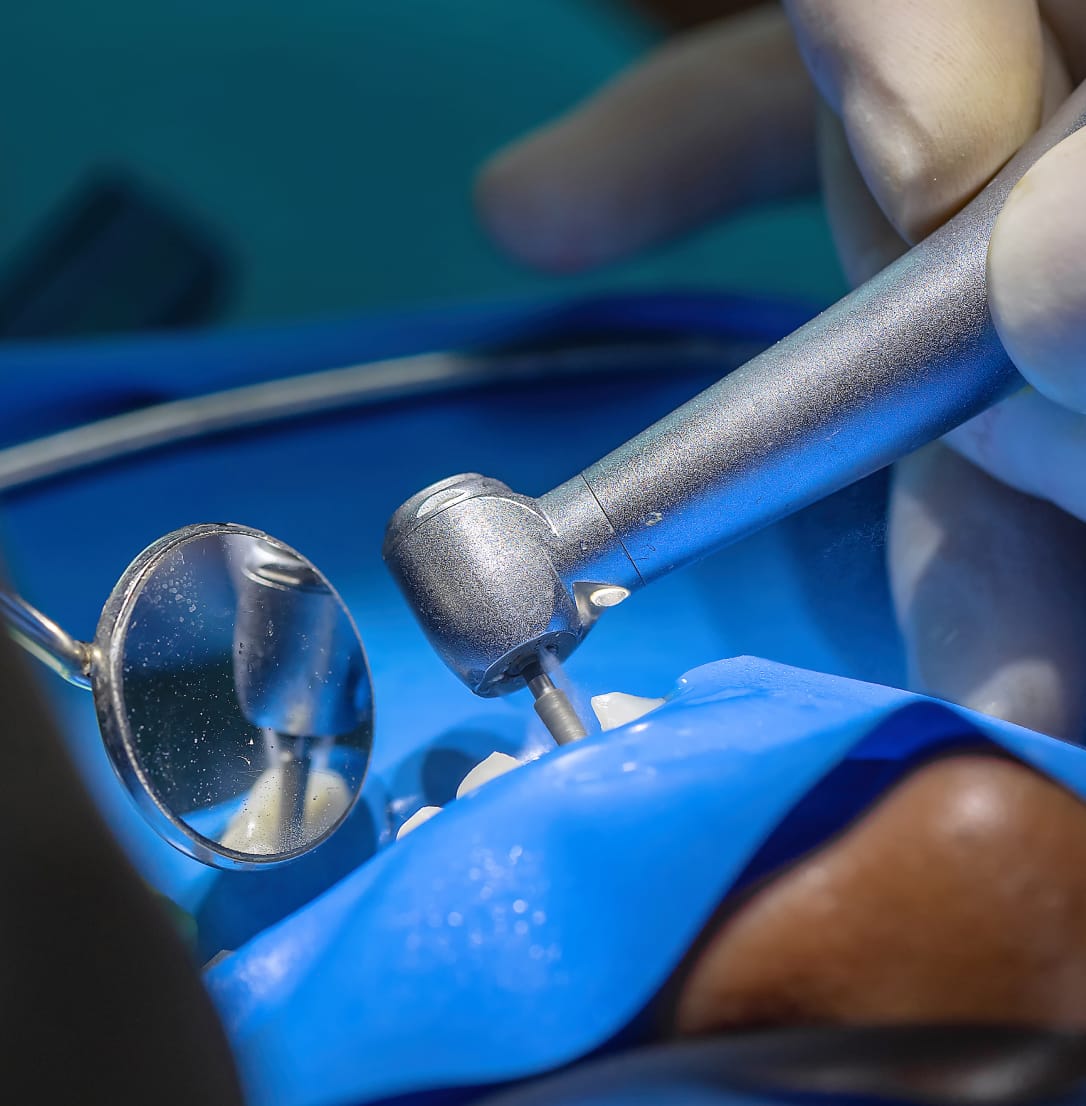
Most dental schools require specific coursework in biology, general chemistry, organic chemistry, and physics. Unlike general college prep, these courses often demand lab components with strict grade minimums (usually B or higher). Check if your target schools accept AP credits or community college hours, as policies vary significantly.
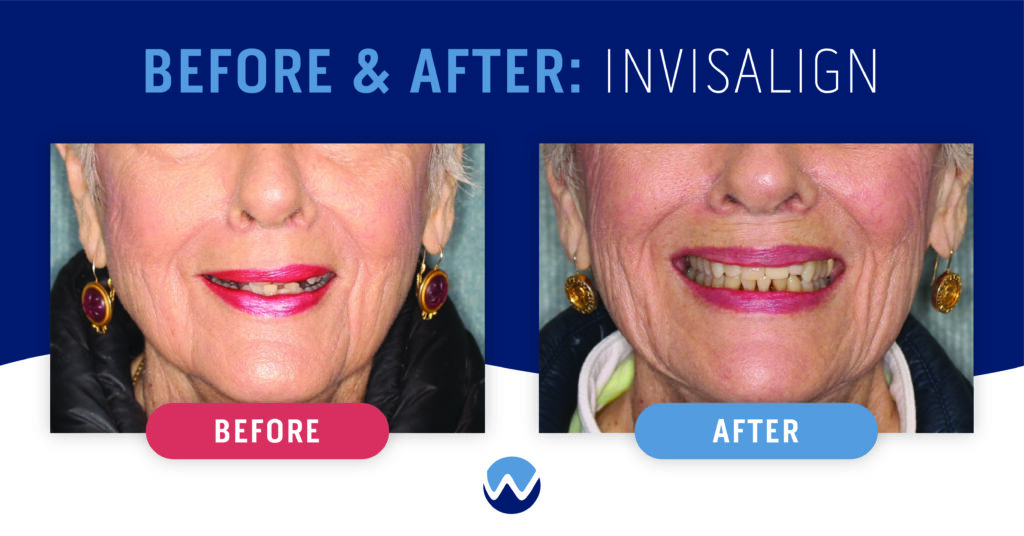
Admissions committees look for demonstrated commitment. Shadow at least two different practice types, such as a private general practice and an academic hospital setting. Track your hours meticulously. Many schools now require 100-200 hours, and AI-driven scheduling tools can help you log these consistently for your application.
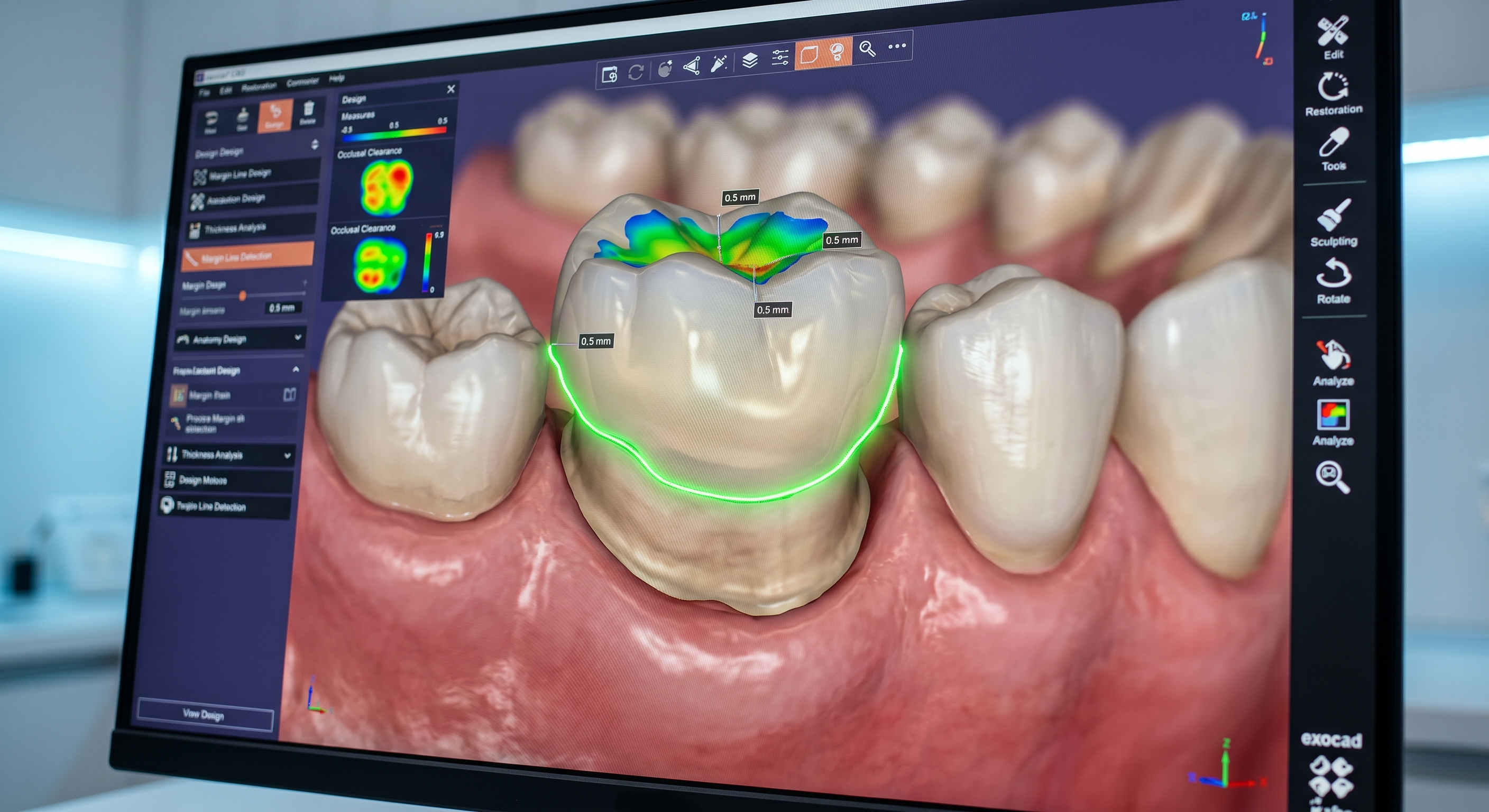
The Dental Admission Test (DAT) remains a primary filter. Focus your study on natural sciences and perceptual ability. Following the exam, interview preparation should shift from memorized answers to discussing ethical dilemmas and technological adaptation. Be ready to explain how you view the role of AI in diagnostics versus patient care.
Beyond the DDS or DMD degree, you must pass the National Board Dental Examination (NBDE) Part I and II. These exams test your knowledge of medical sciences. Stay updated on the latest clinical guidelines from the American Dental Association, as the content frequently adjusts to reflect new evidence-based practices and antibiotic stewardship protocols.
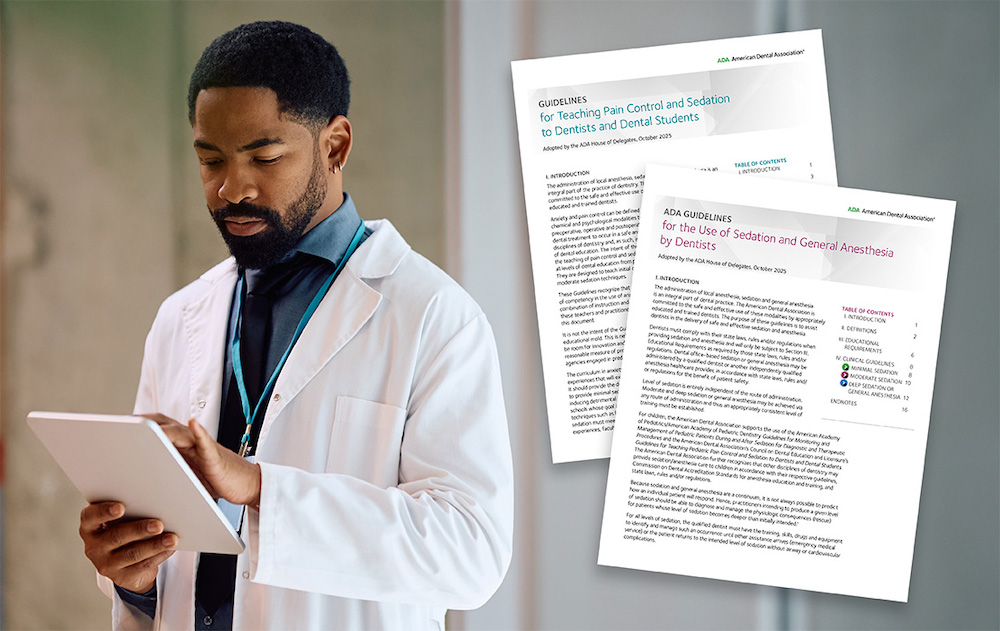
State licensure requires passing a clinical board exam, which varies by jurisdiction. If you pursue specialization, additional residency programs are mandatory. Keep your documentation organized. Modern digital portfolios can streamline this process, ensuring you meet every state board’s specific documentation requirements without delay.
Common Mistakes in AI-Driven Dental Education
Students and applicants often misinterpret how artificial intelligence reshapes dental school requirements, leading to application gaps that hurt their chances. The error usually stems from treating AI as a decorative skill rather than a clinical competency. Schools are no longer just looking for tech literacy; they are evaluating how you integrate data analysis into diagnostic reasoning.
Another frequent mistake is ignoring the shift toward preventive, algorithm-driven care models. Many candidates still focus heavily on restorative techniques while neglecting the predictive analytics that modern clinics rely on. This imbalance signals a lack of awareness regarding the industry’s move toward early intervention and personalized treatment plans based on patient data.
Finally, applicants often fail to align their personal statements with the specific AI initiatives of target schools. Generic essays that mention "learning new software" miss the mark. Admissions committees want to see how you understand the ethical implications of AI in patient privacy and decision-making. Reviewing each school’s specific research focus is essential to demonstrating that you are ready for the 2026 curriculum.
Dentistry guidelines: what to check next
Navigating the shift from traditional prerequisites to AI-integrated curricula can be confusing, especially when industry standards evolve. Below are the practical answers to the most common questions about dental rules, antibiotic protocols, and pediatric care guidelines that shape both education and practice.
No comments yet. Be the first to share your thoughts!