

Budget-fit: Choosing gear that balances price, age, and condition
Buying dental equipment is a tradeoff between upfront cost and long-term reliability. The right choice depends on whether you prioritize the lowest price, the newest technology, or proven durability. There is no single "best" option, only the one that fits your specific clinical workflow and budget constraints.
New equipment offers the latest features and full warranties but comes at a premium. Used gear saves money but requires careful inspection for wear and tear. Refurbished items from reputable dealers offer a middle ground, often with limited warranties and restored performance. Consider the total cost of ownership, including maintenance and potential downtime, when comparing these options.
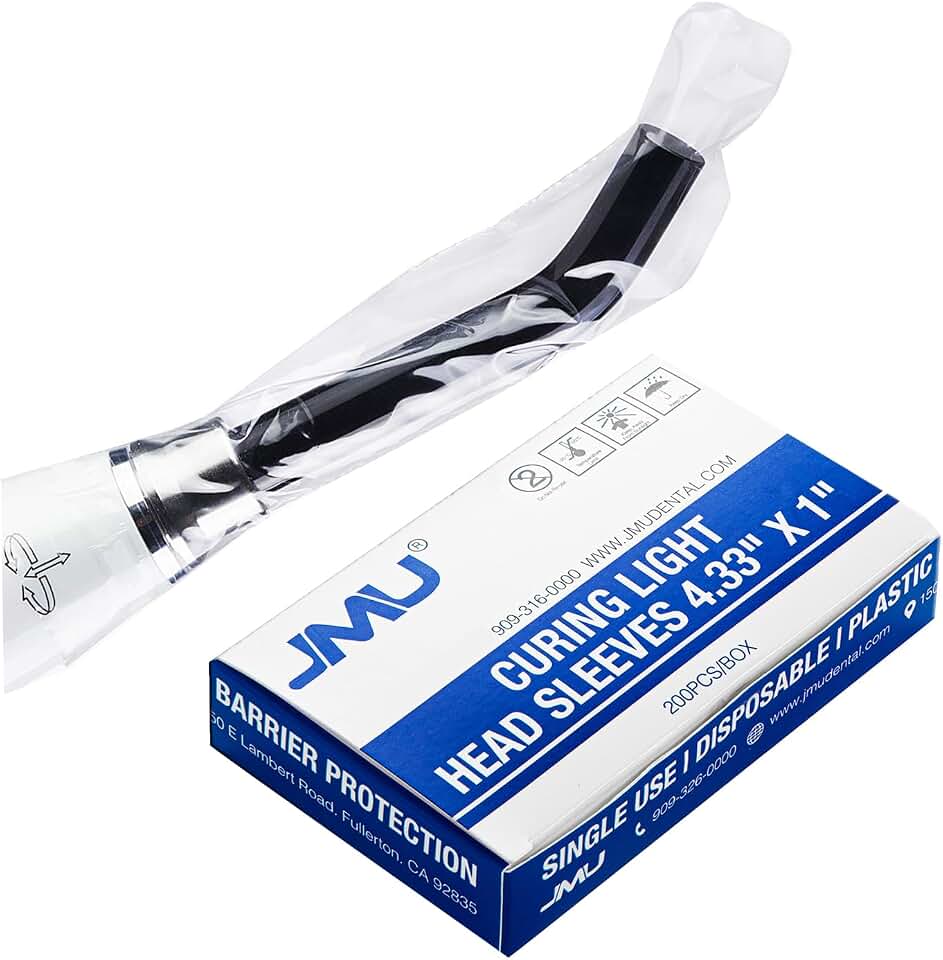
For general practice essentials, consider these reliable tools that balance cost and performance:


As an Amazon Associate, we may earn from qualifying purchases.
When evaluating used or refurbished items, verify the service history and available parts. For new purchases, compare warranty terms and manufacturer support. Prioritize items that are critical to your daily workflow and less likely to require frequent replacement.
Clinical guidelines and safety standards for 2026
Aspiring dentists must navigate a landscape defined by rigorous evidence-based practice and strict safety protocols. The American Dental Association and the American Academy of Pediatric Dentistry provide the primary frameworks for clinical decision-making, while OSHA guidelines dictate the physical safety of the operatory. Understanding these distinctions is critical for modern practice compliance.
Evidence-based clinical practice
Clinical Practice Guidelines (CPGs) represent the highest level of evidence in dentistry, developed by panels of subject matter experts to standardize care. These guidelines help clinicians choose treatments backed by systematic reviews rather than anecdotal experience. The American Dental Association maintains a robust database of these resources, ensuring that procedures like restorative care and preventive protocols align with current scientific consensus [src-1].
For pediatric cases, the American Academy of Pediatric Dentistry offers specific recommendations on oral health policies and anticipatory guidance [src-2]. These documents are essential for managing patient anxiety and establishing early preventive habits. Clinicians should prioritize these guidelines when developing treatment plans to ensure they meet the highest professional standards.
OSHA compliance and safety
While there are no specific OSHA standards exclusively for dentistry, the Occupational Safety and Health Administration applies general industry standards to dental offices. These cover exposure to biological hazards, chemical risks, and physical environments [src-4]. Compliance involves proper sterilization protocols, personal protective equipment usage, and hazardous material handling.
Failure to adhere to these safety guidelines can result in significant legal and professional consequences. Dental teams must stay updated on general industry regulations that impact their specific operational workflows, including bloodborne pathogen standards and ventilation requirements.
| Guideline Source | Primary Focus | Scope |
|---|---|---|
| ADA | Clinical Evidence | General Dentistry |
| AAPD | Pediatric Policy | Child Health |
| OSHA | Workplace Safety | General Industry |
Inspect the expensive parts
Use this section to make the The Dentistry Career Landscape decision easier to compare in real life, not just on paper. Start with the reader's actual constraint, then separate must-have requirements from details that are merely nice to have. A practical choice should survive normal use, maintenance, timing, and budget. If a recommendation only works in an ideal situation, call that out plainly and give the reader a fallback path.
-
Verify the basicsConfirm the core specs, condition, and fit before comparing extras.
-
Price the downsideLook for the repair, maintenance, or replacement cost that would change the decision.
-
Compare alternativesCheck at least two comparable options before treating one listing as the benchmark.
Plan for ownership costs
Buying a dental practice is rarely about the sticker price; it is about the cost of keeping the lights on and the chairs running. Many new owners underestimate the operational overhead that follows the closing table. A practice that appears affordable on paper can become a financial burden if maintenance surprises and equipment depreciation are not factored into the initial budget.
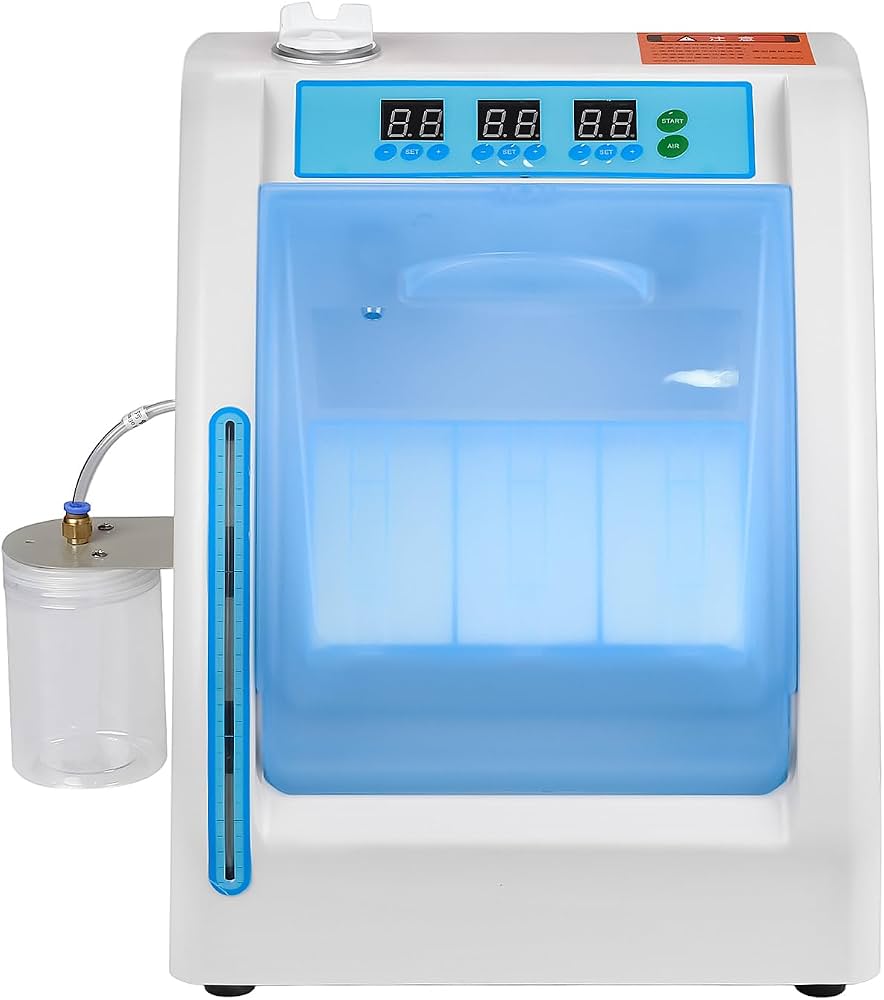
Think of equipment maintenance like car insurance: you hope you never need it, but skipping it guarantees a more expensive problem later. Dental chairs, x-ray units, and autoclaves require regular service contracts. When a compressor fails on a busy Tuesday, the cost isn't just the repair bill—it is the lost patient slots and the emergency service premium. Budgeting 10-15% of gross revenue for maintenance and replacement reserves is a standard industry benchmark that prevents these cash flow shocks.
A "cheap" buy often stops being cheap when hidden costs accumulate. Older practices may have outdated electrical systems that cannot support modern digital imaging or CAD/CAM equipment without a costly upgrade. Similarly, legacy software licenses might not integrate with current practice management systems, forcing expensive migrations or dual-system redundancies. Always conduct a thorough equipment audit and an IT infrastructure review before signing. The goal is to find a practice where the operational baseline is stable, not one that requires immediate, unplanned capital injections.


As an Amazon Associate, we may earn from qualifying purchases.
Dentistry guidelines: what to check next
Aspiring dentists and practicing clinicians often navigate a complex web of safety protocols, clinical rules, and regulatory updates. Understanding these guidelines is essential for maintaining patient safety and professional compliance in a rapidly evolving field.
What is the 3-3-3 rule in dentistry?
The 3-3-3 rule is a practical mnemonic used primarily in pediatric dentistry and emergency care to manage anxiety and ensure safety. It refers to the "3-foot rule" (maintaining distance from a frightened child), "3-minute rule" (allowing time for acclimation), and "3-person rule" (utilizing a team of three for safe restraint if necessary). This approach prioritizes behavioral management over immediate physical intervention, reducing trauma for both the patient and the provider.
What are the OSHA guidelines for dentistry?
OSHA does not have a single standard exclusively for dentistry, but its general industry and bloodborne pathogens standards apply directly to dental practices. These guidelines mandate strict protocols for handling sharps, managing bloodborne pathogens like HIV and Hepatitis B, and ensuring proper personal protective equipment (PPE) usage. Dental offices must also adhere to hazard communication standards for chemical safety, including the handling of disinfectants and sterilization agents, to protect staff from biological, chemical, and physical hazards.
What is the new dental antibiotic guidance?
The American Dental Association (ADA) and the Centers for Disease Control and Prevention (CDC) have updated antibiotic stewardship guidelines to combat resistance. The current guidance strongly recommends against prophylactic antibiotics for most dental procedures, including those for patients with certain heart conditions or joint replacements, unless specifically indicated by a cardiologist or orthopedic surgeon. For active infections, antibiotics are now recommended only when systemic involvement (fever, lymphadenopathy, or swelling) is present, rather than for localized pain or swelling alone.
What is the 3-3-3 dental rule for infection control?
In the context of infection control and sterilization, the 3-3-3 rule is sometimes cited as a checklist for high-level disinfection or sterilization cycles: 3 minutes of pre-cleaning, 3 minutes of enzymatic soak, and 3 minutes of final rinse. However, clinicians should always refer to the specific manufacturer’s instructions for use (IFU) for each instrument and sterilizer, as modern ultrasonic cleaners and heat-sealing pouches may have different validated timeframes. Adhering to the device manufacturer's guidelines is the only way to ensure sterility assurance levels are met.
No comments yet. Be the first to share your thoughts!