
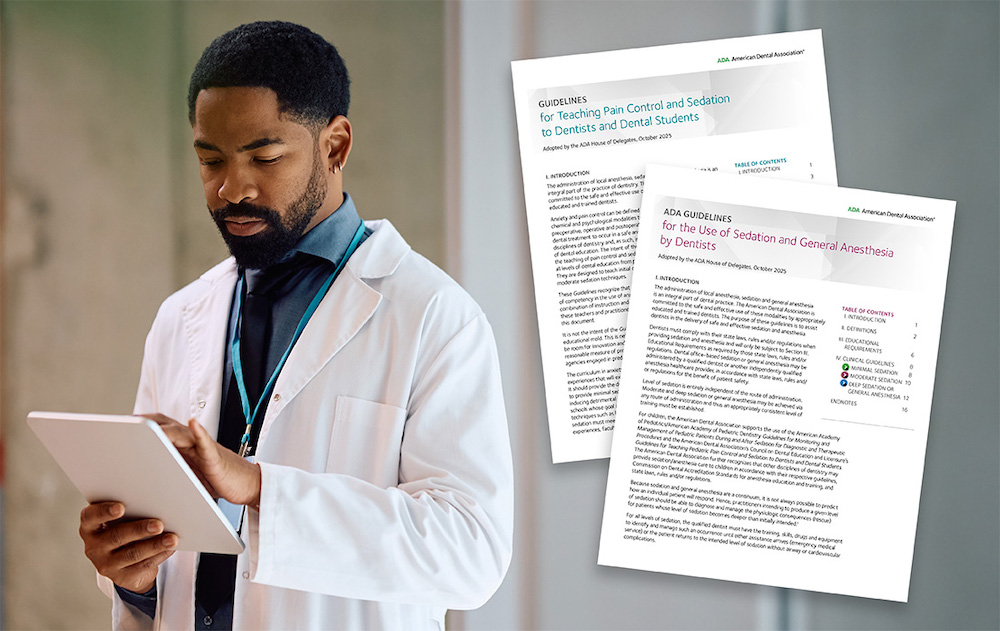

Budget-Fit Guidelines for Dental Essentials
Finding the right balance between price, age appropriateness, and specific dental conditions requires looking beyond marketing claims. The American Dental Association’s clinical practice guidelines emphasize evidence-based products that match your unique oral health profile rather than the most expensive option [src-serp-1]. For many, this means prioritizing tools that address immediate needs—like sensitivity or gingivitis—over broad-spectrum whitening or cosmetic upgrades.
When selecting products, consider the user’s age and condition. Pediatric guidelines suggest fluoride toothpaste with specific concentrations based on cavity risk, while adult care often focuses on maintenance and prevention. The following Amazon product grid highlights practical, high-value tools that align with these core guidelines, ensuring you get durable, effective care without overspending.


As an Amazon Associate, we may earn from qualifying purchases.
These selections focus on foundational care. While specialized treatments exist, maintaining a consistent routine with reliable, affordable products often yields the best long-term results for most patients.
Shortlist real options
Use this section to make the Dentistry Guidelines decision easier to compare in real life, not just on paper. Start with the reader's actual constraint, then separate must-have requirements from details that are merely nice to have. A practical choice should survive normal use, maintenance, timing, and budget. If a recommendation only works in an ideal situation, call that out plainly and give the reader a fallback path.
| Factor | What to check | Why it matters |
|---|---|---|
| Fit | Match the option to the primary use case. | A good deal still fails if it does not fit the job. |
| Condition | Verify age, wear, and service history. | Hidden condition issues erase upfront savings. |
| Cost | Compare purchase price with likely upkeep. | The cheapest option is not always the lowest-cost option. |
Inspect the expensive parts
Use this section to make the Dentistry Guidelines decision easier to compare in real life, not just on paper. Start with the reader's actual constraint, then separate must-have requirements from details that are merely nice to have. A practical choice should survive normal use, maintenance, timing, and budget. If a recommendation only works in an ideal situation, call that out plainly and give the reader a fallback path.
-
Verify the basicsConfirm the core specs, condition, and fit before comparing extras.
-
Price the downsideLook for the repair, maintenance, or replacement cost that would change the decision.
-
Compare alternativesCheck at least two comparable options before treating one listing as the benchmark.
Plan for ownership costs
Buying a dental practice is rarely a one-time transaction. The purchase price is just the entry fee; the real financial test begins when you start paying for the infrastructure that keeps the lights on and the equipment running. Many new owners underestimate the gap between a practice’s listed revenue and its actual net profit because they ignore the recurring costs that eat into the bottom line.
Maintenance surprises are the most common budget-killer. A dental chair or intraoral scanner may seem like a standard appliance, but specialized parts and certified technicians often cost significantly more than commercial equivalents. When a piece of core equipment fails, it isn’t just an inconvenience; it is a direct loss of billable hours. Budgeting for annual maintenance contracts and a contingency fund for unexpected repairs is not optional—it is essential for survival.
This is when a cheap buy stops being cheap. Lower upfront costs often mean higher long-term operational expenses, more frequent downtime, and shorter lifespans for critical tools. Instead of chasing the lowest purchase price, focus on the total cost of ownership. Look for equipment with accessible service networks and standardized parts. A slightly higher initial investment in reliable, serviceable gear often pays for itself by preventing costly emergency repairs and keeping your schedule full.


As an Amazon Associate, we may earn from qualifying purchases.
Dentistry guidelines: what to check next
Navigating the intersection of traditional clinical standards and new digital tools requires clarity on what is actually required for licensure and practice. The following answers address common concerns regarding AI integration, tele-dentistry scope, and updated educational requirements.
No comments yet. Be the first to share your thoughts!