

How teledentistry is actually being used
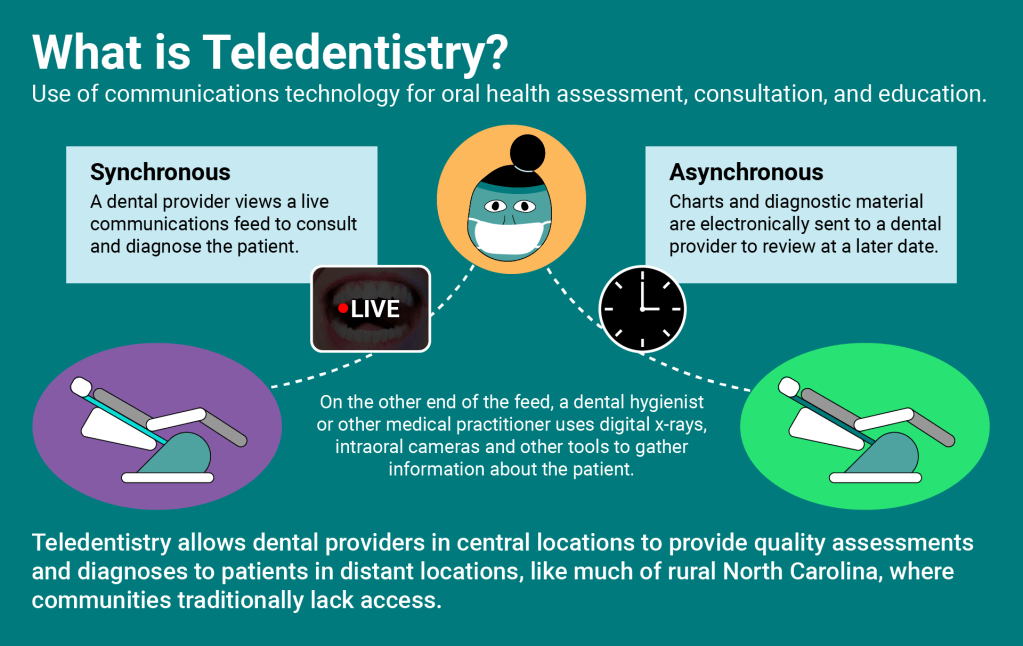
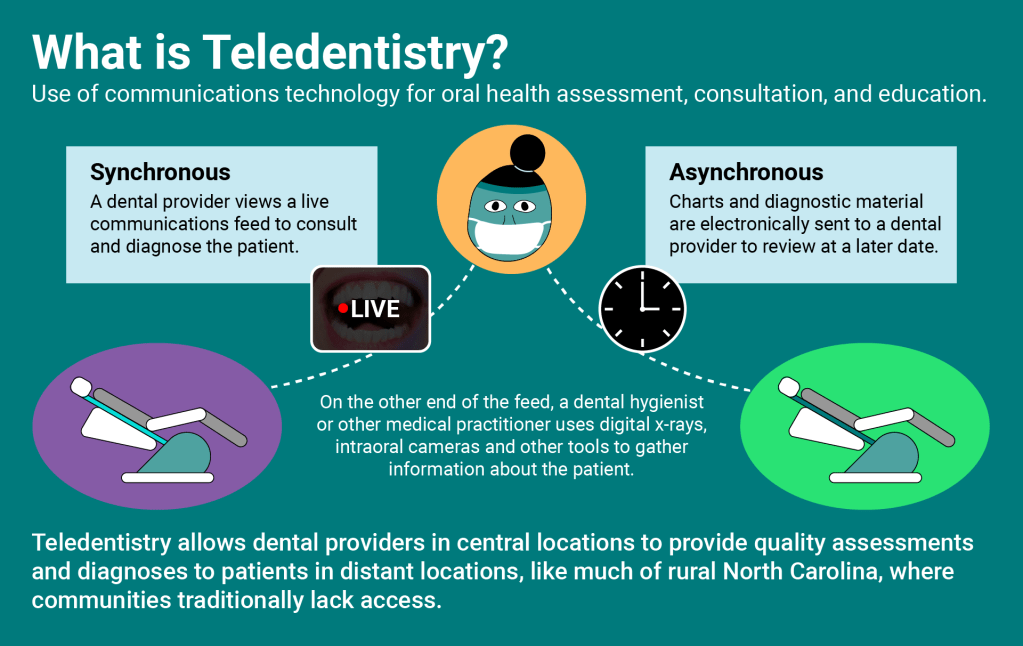
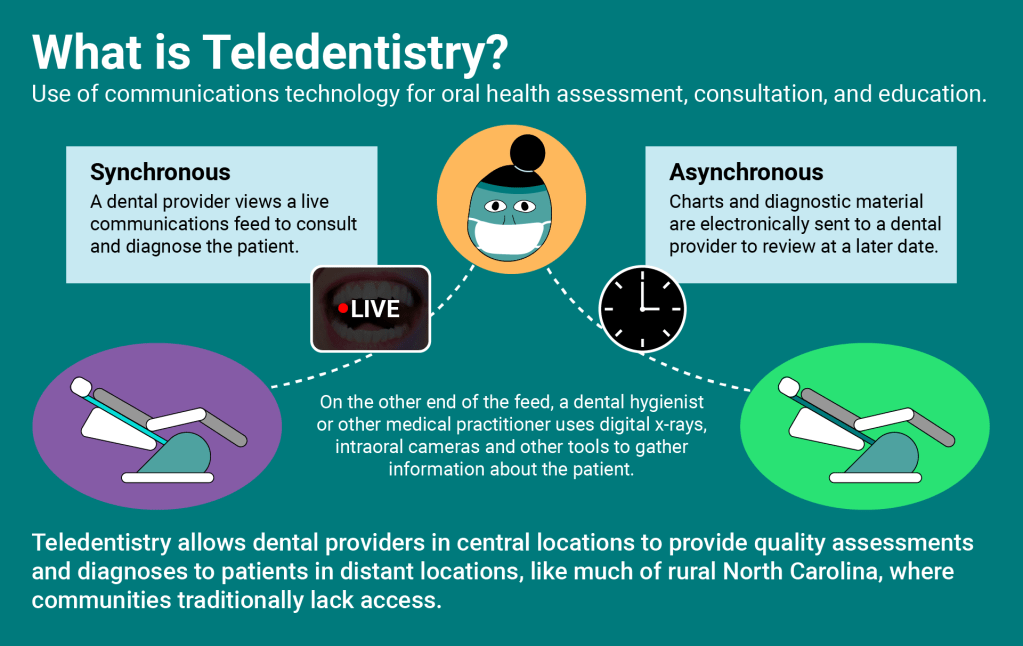
Teledentistry is dental care delivered through digital tools. It doesn't replace the chair, but it makes getting an appointment easier. The 2020 pandemic forced everyone to try it out of necessity. Now that the rush is over, we're seeing which parts actually work for a normal office routine.
Change is happening at different speeds. Rural offices often move faster because they have fewer specialists nearby and need the reach. Big city practices have more red tape to cut through. Both dentists and patients are still figuring out how to make a remote screen feel as reliable as a physical exam.
We are seeing a shift from emergency-only teledentistry during the height of the pandemic to a broader range of applications. These include pre- and post-operative consultations, oral health education, monitoring of chronic conditions, and even some aspects of diagnosis. The American Dental Association (ADA) has been actively working to define best practices and advocate for appropriate reimbursement policies, which is a key factor in long-term sustainability. The focus now is on building a sustainable model, not just a temporary fix.
The legal mess of state lines
The laws are a mess. Every state has its own rules, which makes it a headache if you're trying to help a patient across a border. You have to check with your specific state board because the rules change fast. Many of the pandemic-era shortcuts are expiring, and nobody is quite sure what will replace them.
Interstate practice is a particularly thorny issue. Some states require dentists to be licensed in the state where the patient is located, even for a remote consultation. Others have reciprocity agreements, but these are not universal. The Federation of State Dental Boards is working towards greater consistency, but progress is slow. HIPAA compliance is also paramount. Dentists must ensure that their teledentistry platforms and practices meet all HIPAA requirements for protecting patient privacy and data security.
The rules around prescribing medications remotely also vary. Some states allow e-prescribing without a prior in-person exam, while others require an initial face-to-face visit. It’s vital to stay informed about these evolving regulations to avoid legal issues. The ADA Center for Professional Success offers resources to help dentists understand and comply with these requirements.
New Roles: Teledentistry-Specific Positions
The expansion of teledentistry isn’t just about dentists providing care remotely; it’s creating entirely new career opportunities within the dental industry. We’re moving beyond the idea of a dentist simply conducting a video call and are seeing the emergence of specialized roles designed to support and optimize teledentistry programs. These roles require a different skillset than traditional dental positions, often emphasizing technology proficiency, communication skills, and project management.
One emerging role is the Teledentistry Coordinator. This individual is responsible for the day-to-day operation of a teledentistry program, including scheduling appointments, managing patient records, troubleshooting technical issues, and ensuring HIPAA compliance. Another is the Remote Oral Health Educator, who provides patients with personalized oral hygiene instructions and support via video conferencing or other digital platforms. They often work with underserved populations to improve access to preventative care.
We may also see the development of Specialized Teledentistry Assistants. These assistants would be trained to assist dentists during remote consultations, operating intraoral cameras, taking digital impressions, and documenting findings. Salary ranges for these positions vary depending on experience and location, but a Teledentistry Coordinator can expect to earn between $50,000 and $75,000 annually, while Remote Oral Health Educators typically earn between $40,000 and $60,000. These numbers are based on current job postings and industry reports from sites like Indeed and Glassdoor.
- Teledentistry coordinator: Handles the tech troubleshooting and scheduling so the dentist can focus on the patient.
- Remote Oral Health Educator: Provides personalized oral hygiene instruction.
- Specialized Teledentistry Assistant: Assists dentists during remote consultations.
Traditional vs. Teledentistry Roles: A Comparison for 2026
| Role | Primary Responsibilities | Required Skills | Average Salary (2024) | Growth Potential |
|---|---|---|---|---|
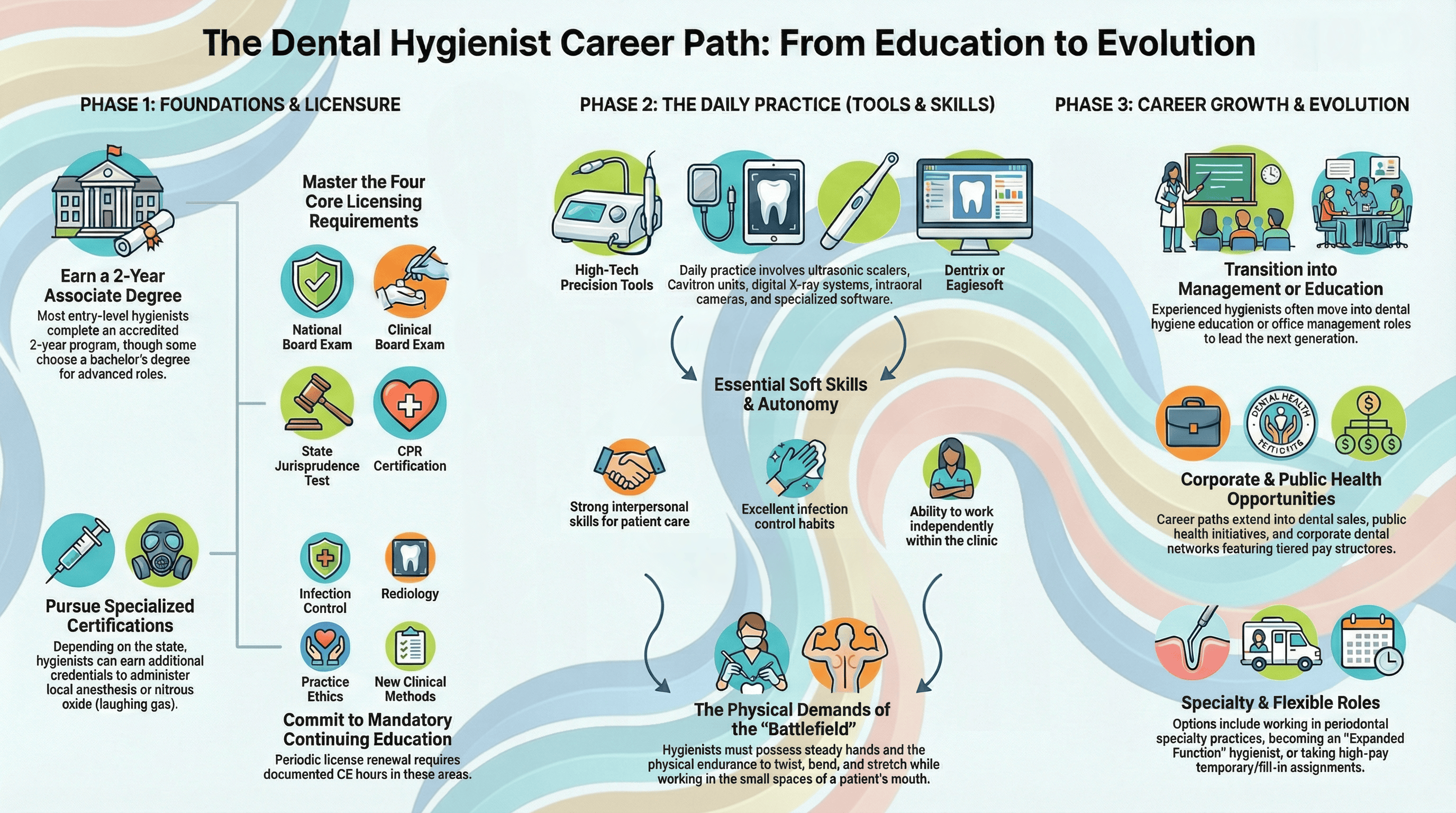
| Dental Hygienist | Preventive dental care, patient education, scaling and root planing | Clinical skills, communication, attention to detail, knowledge of oral health | $89,170 | Good – expanding to include remote monitoring and virtual consultations |
| Teledentistry Hygienist | Remote oral health assessments, virtual patient education, triaging cases for in-person care, monitoring chronic conditions | Clinical knowledge, teledentistry platform proficiency, strong communication (written & verbal), ability to interpret digital images/data | Similar to traditional hygienist, potentially with bonus incentives | Very Good – high demand as teledentistry expands |
| Dental Assistant | Assisting dentists during procedures, preparing treatment rooms, taking radiographs, patient management | Clinical assisting skills, radiography certification, organization, attention to detail | $44,820 | Moderate – potential for increased remote administrative tasks |
| Teledentistry Assistant | Supporting remote dentists, managing virtual waiting rooms, scheduling teledentistry appointments, processing digital documentation | Administrative skills, proficiency with teledentistry software, strong communication, understanding of HIPAA compliance | Comparable to traditional assistant, with potential for specialized training premiums | Moderate – growth tied to teledentistry adoption |
| General Dentist | Diagnosing and treating oral health conditions, performing restorative procedures, prescribing medications | Doctor of Dental Surgery (DDS) or Doctor of Dental Medicine (DMD) degree, clinical expertise, diagnostic skills | $163,220 | Good – incorporating teledentistry for consultations and follow-ups |
| Teledentrist | Remote consultations, diagnosis based on patient-submitted data (images, questionnaires), prescribing medications (where legally permitted), treatment planning, referral to specialists | DDS or DMD degree, teledentistry platform expertise, strong diagnostic skills, understanding of relevant regulations | Comparable to traditional dentist, potentially with opportunities for higher volume/efficiency | Excellent – significant growth expected with increased access to care |
| Dental Specialist (e.g., Orthodontist) | Specialized dental care (e.g., braces, Invisalign) | Specialty certification, advanced clinical skills | $243,220 | Moderate – potential for remote monitoring of treatment progress |
| Teledentistry Specialist | Remote monitoring of orthodontic treatment, virtual consultations for adjustments, review of patient-submitted photos/videos | Specialty certification, teledentistry platform proficiency, ability to assess treatment remotely | Comparable to traditional specialist, potentially with efficiency gains | Good - expanding role in remote patient management |
Illustrative comparison based on the article research brief. Verify current pricing, limits, and product details in the official docs before relying on it.
The gear you actually need
Several technologies are essential for delivering effective remote oral health care. Intraoral cameras are perhaps the most important, allowing dentists to visually assess a patient’s oral cavity remotely. These cameras have become more affordable and user-friendly in recent years, making them accessible to a wider range of practices. Digital scanning technology, like intraoral scanners, allows for the creation of accurate digital impressions, which can be used for treatment planning and fabrication of dental appliances.
Secure video conferencing platforms are also critical for conducting remote consultations. These platforms must be HIPAA compliant and offer features like screen sharing and secure file transfer. Data transmission requires a reliable and secure connection to protect patient information. Practices need to invest in robust cybersecurity measures to prevent data breaches.
While there are many brands offering these technologies, I’m hesitant to recommend specific products. The best choice depends on the needs and budget of the practice. However, it's essential to prioritize image quality and data security when selecting these tools. Poor image quality can hinder accurate diagnosis, and a data breach can have serious legal and reputational consequences.
Expanding Access to Underserved Communities
One of the most significant benefits of teledentistry is its potential to expand access to oral health care for underserved communities. Rural populations often face significant barriers to care, including long distances to dental offices, limited specialist availability, and transportation challenges. Teledentistry can overcome these barriers by bringing care directly to patients in their homes or at community health centers.
Low-income individuals may also struggle to access dental care due to cost and lack of insurance. Teledentistry can help reduce costs by eliminating the need for travel and reducing overhead expenses for dental practices. Several successful teledentistry programs are already making a difference in these communities. For example, the University of Pacific, Arthur A. Dugoni School of Dentistry operates a mobile dental clinic that utilizes teledentistry to provide care to underserved populations in California.
Teledentistry isn't simply about convenience; it's about equity. It can help level the playing field and ensure that everyone has access to the oral health care they need, regardless of their location or socioeconomic status. This is particularly important for preventative care, as early detection and intervention can prevent more serious and costly problems down the road.
- Cutting travel time for patients in remote areas.
- Increased access to specialists
- Improved preventative care
Training and Education: Preparing for the Future
Dental schools have a crucial role to play in preparing future dentists for the growing role of teledentistry. Many schools are beginning to integrate teledentistry into their curricula, teaching students how to use the technology and deliver remote care effectively. This includes training on proper use of intraoral cameras, digital scanning, and video conferencing platforms.
However, there is still a need for more comprehensive training. Dental education needs to move beyond simply teaching students how to use the technology and focus on when and why to use it. Students need to understand the limitations of teledentistry and how to provide appropriate care in a remote setting. The American Dental Education Association (ADEA) is working with dental schools to develop best practices for teledentistry education.
Continuing education courses are also essential for practicing dentists. The ADA offers a variety of CE courses on teledentistry, covering topics such as legal and regulatory issues, clinical applications, and technology updates. Staying current with the latest developments in teledentistry is critical for providing high-quality remote care.
Reimbursement Models and Financial Considerations
Reimbursement for teledentistry services is a complex and evolving issue. Currently, many insurance companies offer some level of reimbursement for teledentistry services, but coverage varies widely. The American Dental Association (ADA) has been advocating for greater consistency in reimbursement policies, but progress has been slow. Common CPT codes used for teledentistry include those for telehealth consultations and remote monitoring.
It’s important to verify coverage with each insurance provider before providing teledentistry services. Reimbursement rates are often lower for teledentistry than for in-person visits, which can be a barrier to adoption for some practices. Setting up and maintaining a teledentistry program also involves costs, including the purchase of technology, software licenses, and training for staff.
Practices need to carefully consider these costs when evaluating the financial viability of teledentistry. A thorough cost-benefit analysis is essential. While the initial investment can be significant, teledentistry can potentially increase efficiency, reduce overhead expenses, and expand the practice's reach.

No comments yet. Be the first to share your thoughts!