

Dentistry guidelines budget
Clinical practice guidelines from the American Dental Association (ADA) and the American Academy of Pediatric Dentistry (AAPD) emphasize that age and oral health status dictate the necessary scope of care. For a child with no prior issues, preventive visits and basic sealants form the baseline. For an adult managing early decay, the budget shifts toward restorative work like fillings or crowns. Understanding these tradeoffs prevents unexpected costs.
Essential preventive tools
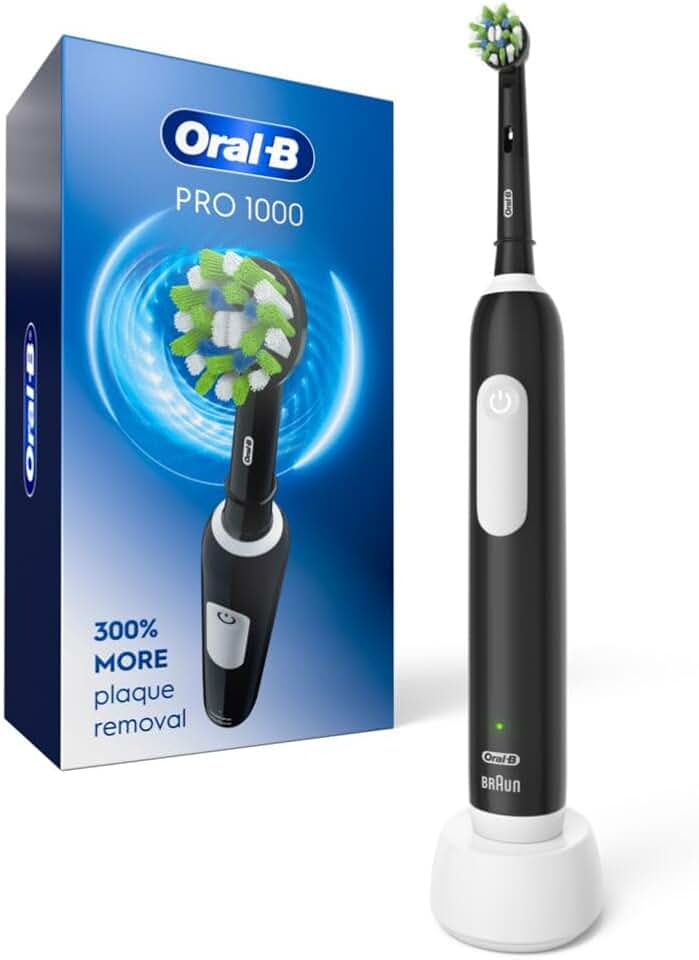
Prevention is the most cost-effective strategy. These items support daily hygiene and reduce the need for invasive procedures later.

As an Amazon Associate, we may earn from qualifying purchases.
Restorative and specialty care
When decay or alignment issues arise, treatment costs rise. Invisalign dominance has made orthodontics more accessible, but it remains a significant investment. Similarly, restorative materials vary in durability and price. Always consult your dentist to determine which option fits your specific condition and long-term health goals.
Shortlist real options
Choosing a career path in dentistry today means navigating a landscape where clinical precision meets digital integration. Whether you are leaning toward general practice, orthodontics, or specialized pediatric care, your training needs to align with the tools you will use daily. The rise of AI-driven diagnostics and the dominance of clear aligner systems like Invisalign have shifted the baseline expectations for dental graduates.
To help you evaluate the best support systems for your training and practice, we have compared the top-rated resources and tools currently reshaping dental school requirements and early-career workflows. These selections focus on practical utility, from evidence-based guidelines to ergonomic equipment and software integrations that streamline patient care.
| Product/Resource | Category | Primary Strength | Best For |
|---|---|---|---|
| Invisalign Provider Portal | Software Platform | Case tracking and AI-assisted treatment planning | Orthodontic and aligner-focused practices |
| ADA Clinical Guidelines | Reference Manual | Evidence-based protocols and safety standards | General dentistry and compliance |
| KaVo Kerr Ergonomic Kit | Physical Equipment | Reduced physical strain and precision tools | Long-term practice sustainability |
| Dental Monitoring App | Remote Monitoring | Patient compliance tracking via AI | Hybrid and remote care models |
The comparison above highlights how different resources serve distinct roles in a modern dental career. While software platforms like Invisalign’s provider portal are essential for aligner specialists, foundational knowledge from the ADA remains critical for all practitioners. Meanwhile, physical tools and remote monitoring apps address the growing need for both practitioner health and patient engagement.


As an Amazon Associate, we may earn from qualifying purchases.
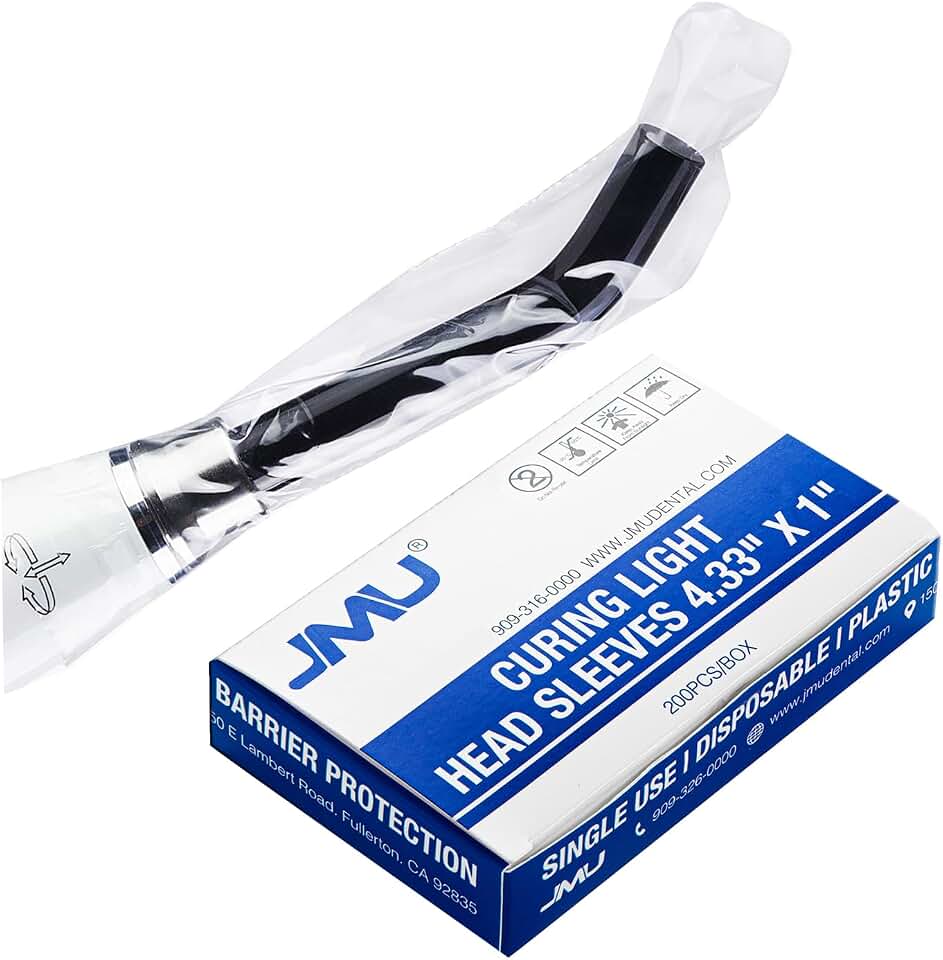
When investing in physical tools, prioritize items that reduce physical strain and improve diagnostic accuracy. The ergonomic chair and curing light listed above are staples for maintaining long-term career health and efficiency. Similarly, digital scanners are becoming standard in many schools, making familiarity with these devices a key requirement for new graduates entering the workforce.
Ultimately, the best career path depends on your willingness to adapt to these technological shifts. By focusing on resources that combine evidence-based practice with digital innovation, you can build a career that is both resilient and responsive to future changes in the industry.
Inspect the expensive parts
Use this section to make the Dentistry Career Paths decision easier to compare in real life, not just on paper. Start with the reader's actual constraint, then separate must-have requirements from details that are merely nice to have. A practical choice should survive normal use, maintenance, timing, and budget. If a recommendation only works in an ideal situation, call that out plainly and give the reader a fallback path.
-
Verify the basicsConfirm the core specs, condition, and fit before comparing extras.
-
Price the downsideLook for the repair, maintenance, or replacement cost that would change the decision.
-
Compare alternativesCheck at least two comparable options before treating one listing as the benchmark.
Plan for ownership costs
Buying a used dental unit or a smaller practice feels like a bargain until you add the hidden costs. A cheap buy stops being cheap when maintenance surprises eat the margin. You need to budget for the equipment that breaks first and the services that never stop.
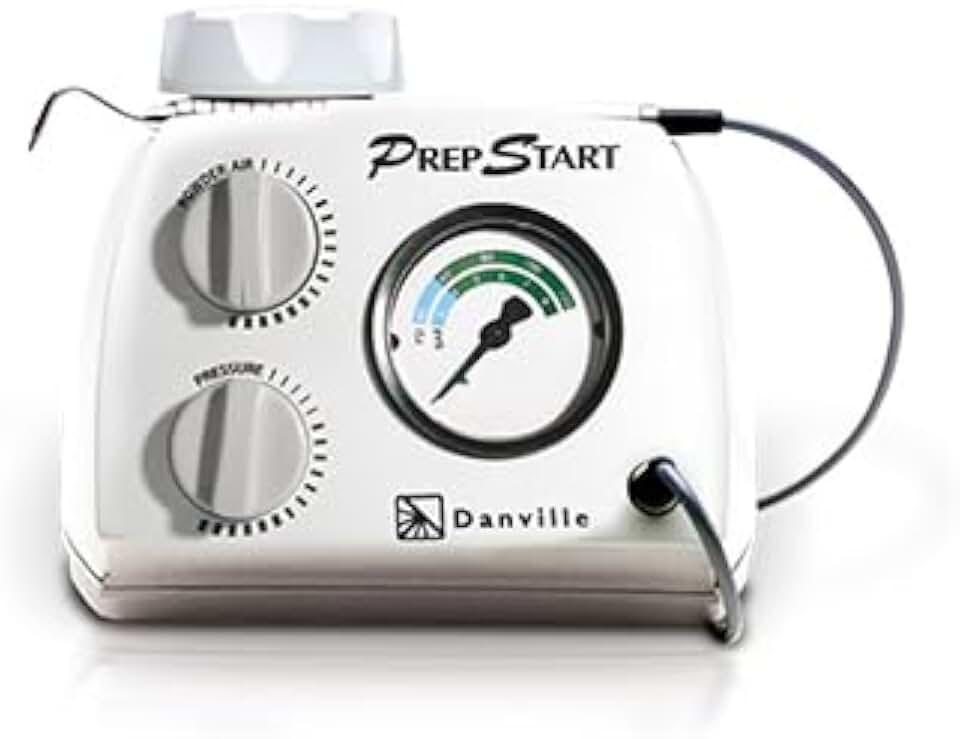
The biggest expense is usually the chair and compressor. These are mechanical workhorses. Leather chairs crack, valves stick, and motors wear out. If you buy older equipment, assume you will replace parts within two years. Do not count on the previous owner’s maintenance schedule.
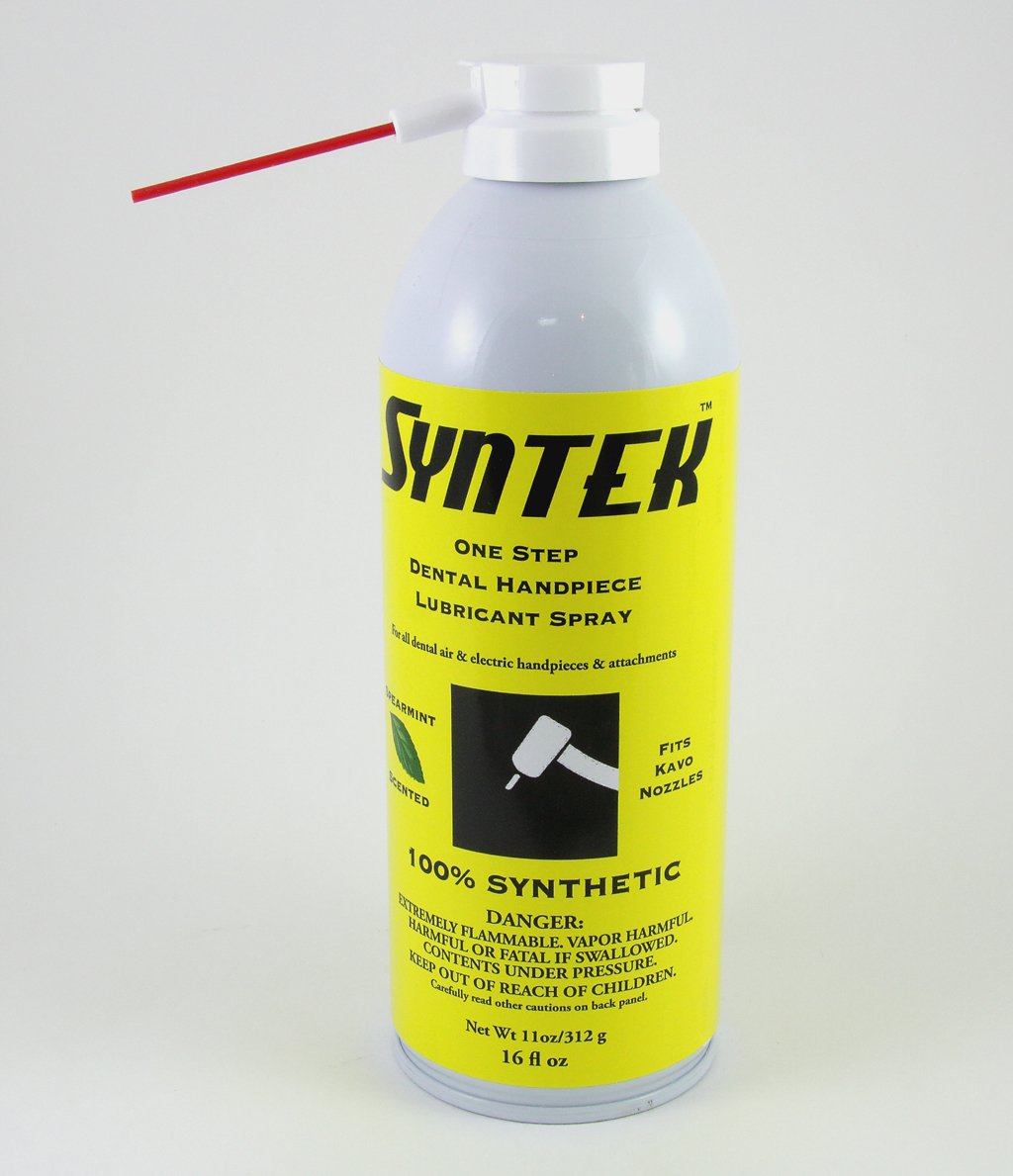
Consider these essentials for setting up a functional office:

As an Amazon Associate, we may earn from qualifying purchases.
Don’t forget the consumables. Burs, diamonds, and polishing cups are not optional. They are the cost of doing business. If you skip them to save money, you will lose more in patient dissatisfaction and repeat visits. Track your usage per hour. If you are using twice as many burs as a new grad, you are wasting money or your technique needs adjustment.
Finally, plan for the unexpected. A broken autoclave can shut down your practice for days. A failed waterline system can lead to compliance issues. Budget 10-15% of your equipment cost annually for repairs. This is not a suggestion. It is a requirement for survival. A cheap buy is only cheap if you can afford to fix it.
Dentistry guidelines: what to check next
The shift toward AI diagnostics and Invisalign dominance is changing what dental schools teach, but it hasn't rewritten the core requirements for licensure. Understanding the practical impact on your education and career path helps you choose the right track.
Is AI replacing manual diagnostic skills?
No. AI tools like Overjet and Pearl are becoming standard in general practice, but they are adjuncts, not replacements. Dental schools are integrating these tools into coursework, but you still need to master traditional radiographic interpretation and clinical examination. The goal is to become proficient in using AI to flag issues, not to outsource your diagnostic judgment.
Do I need to specialize in Invisalign?
Not necessarily, but familiarity is essential. Clear aligner therapy has moved from a niche orthodontic service to a common general dentistry offering. Most new graduates will encounter Invisalign or similar digital workflows. You don't need a specialty board certification to start, but you do need targeted continuing education to manage complex cases safely.
How have clinical practice guidelines changed?
The American Dental Association and other bodies are updating guidelines to address digital workflows and AI-assisted diagnostics. These changes focus on evidence-based integration rather than banning new technologies. Stay current with ADA clinical guidelines, which are updated regularly to reflect the latest research on digital integration and patient safety.
What is the impact on licensure exams?
The National Board Dental Examination (NBDE) and clinical board exams are adapting to include scenarios involving digital impressions and AI-assisted treatment planning. You will be tested on your ability to interpret digital data and make clinical decisions, regardless of the technology used. Focus on understanding the underlying principles of treatment planning, not just the software interface.
No comments yet. Be the first to share your thoughts!