

Map your path to dental school
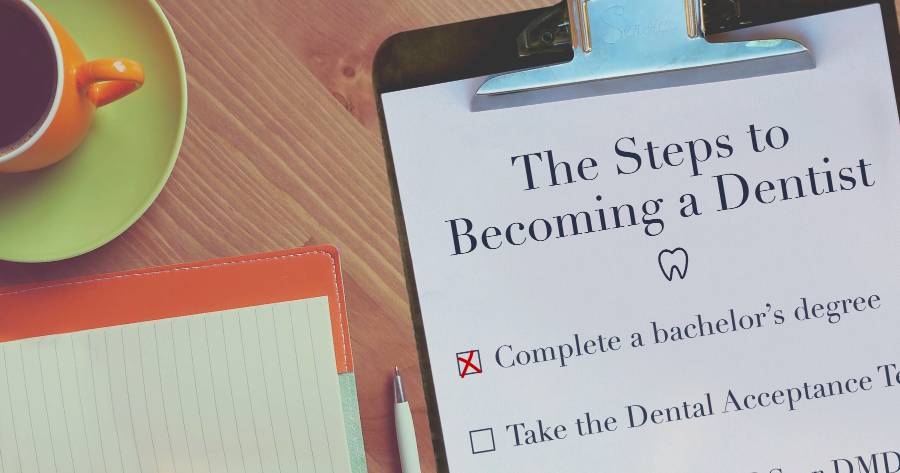
Becoming a dentist is a marathon, not a sprint. The standard trajectory from high school graduation to independent practice spans seven to eight years. This timeline includes four years of undergraduate study, the Dental Admission Test (DAT), four years of dental school, and potentially one or two years of advanced specialty training. Understanding this sequence helps you plan your academic and financial resources effectively.
Undergraduate Preparation
Your journey begins with a bachelor’s degree. While you do not need a specific "pre-dentistry" major, you must complete the prerequisite coursework required by dental schools. These typically include biology, general chemistry, organic chemistry, and physics, often with associated laboratory components. Maintaining a high GPA in these science courses is critical, as dental schools are highly competitive.
During your undergraduate years, you should also seek clinical exposure. Shadowing dentists in various settings—general practice, orthodontics, or oral surgery—demonstrates your commitment and helps you understand the daily realities of the profession. Many schools also value community service and leadership roles, which build the communication and interpersonal skills essential for patient care.
The Dental Admission Test
The DAT is a standardized exam required for admission to most dental schools in the United States and Canada. It assesses natural sciences, perceptual ability, reading comprehension, and quantitative reasoning. A competitive score is vital; in 2026, as the applicant pool grows, higher scores become increasingly important to distinguish yourself. Preparation often involves months of dedicated study, utilizing practice exams and review courses to maximize your performance.
Dental School Curriculum
Once admitted, you will enter a four-year professional program leading to either a Doctor of Dental Surgery (DDS) or Doctor of Dental Medicine (DMD) degree. These degrees are identical in curriculum and licensing requirements. The first two years focus on foundational sciences like anatomy, physiology, and pathology, often incorporating digital simulation tools that reflect the AI-driven advancements reshaping modern dental education.
The final two years shift to clinical rotations. You will treat patients under supervision, gaining hands-on experience in restorative dentistry, endodontics, periodontics, and oral surgery. This phase is crucial for developing clinical competence and professional confidence. Graduates must then pass national and state board exams to obtain licensure.
Advanced Training and Licensure
After dental school, most new dentists begin general practice. However, some choose to pursue specialty training in areas like orthodontics, pediatric dentistry, or oral surgery. These residencies typically last two to six years and require additional competitive applications and exams. Regardless of your path, all dentists must pass the National Board Dental Examination (NBDE) or the Integrated NBDE (INBDE) and pass state or regional clinical licensing exams to practice legally.
Complete pre-dental prerequisites
Admissions to dental school are highly competitive, with acceptance rates often hovering below 40%. To stand out in 2026, you must treat your undergraduate years as a professional audition. Dental schools look for a rigorous foundation in the hard sciences, not just a completed degree. While you are not required to major in biology or chemistry, most successful applicants choose science-related fields because the coursework overlaps significantly with the dental curriculum and the Dental Admission Test (DAT).
Core Science Coursework
Most accredited dental schools require specific prerequisite courses completed with a minimum grade of C (though B or higher is strongly recommended). These typically include:
- Biology: One year with laboratory components, covering general biology and genetics.
- General Chemistry: One year with laboratory components to establish foundational chemical principles.
- Organic Chemistry: One year with laboratory components, focusing on carbon-based compounds essential for biological systems.
- Biochemistry: One year (or two semesters) is now standard at most schools, reflecting the modern understanding of metabolic pathways.
- Physics: One year with laboratory components, usually algebra-based.
- English/Writing: One year to ensure proficiency in professional communication.
Some schools may also require courses in anatomy, physiology, or statistics. Always check the specific requirements for each school on your list, as variations exist. For example, the University of California, Los Angeles (UCLA) School of Dentistry outlines a structured 45-month DDS program that assumes a strong baseline in these sciences before students even begin their professional coursework UCLA Dentistry.

GPA and the DAT
Your Grade Point Average (GPA) is a primary filter. A competitive cumulative GPA is typically 3.5 or higher, with a science GPA (BCPM) of at least 3.3. Because dental school is academically intense, admissions committees want evidence that you can handle advanced scientific material.
The DAT is the standardized exam used to assess scientific knowledge and perceptual ability. It covers biology, general chemistry, organic chemistry, perceptual ability, reading comprehension, and quantitative reasoning. Most applicants take the DAT during their junior year, after completing the core science prerequisites. A strong DAT score can offset a slightly lower GPA, but it cannot compensate for a lack of foundational knowledge. Aim to prepare thoroughly, as the exam tests both breadth and depth of your undergraduate learning.
Beyond the Classroom
While grades and test scores are mandatory, they are not sufficient on their own. Modern dental education emphasizes holistic development. You should seek out opportunities for shadowing dentists, volunteering in community health settings, or engaging in research. These experiences demonstrate your commitment to the profession and help you develop the interpersonal skills necessary for patient care. In 2026, familiarity with digital dentistry tools and an understanding of how technology impacts patient outcomes are increasingly valued traits.
Start planning your prerequisite timeline early. Map out your four years of college to ensure you complete all required courses with enough time to prepare for the DAT and submit applications. Consistency is key; maintaining a high GPA over four years is more impressive than a late surge in performance.
Take the Dental Admission Test
The Dental Admission Test (DAT) remains one of the most significant barriers to entry for dental school in 2026. While undergraduate grades demonstrate your ability to handle academic rigor, the DAT provides a standardized metric that admissions committees use to filter applicants. A strong score signals that you possess the cognitive stamina required for the intense curriculum ahead.
The exam is administered by the American Dental Association and is divided into four distinct sections: Natural Sciences, Perceptual Ability, Reading Comprehension, and Quantitative Ability. The Natural Sciences section is the most heavily weighted, covering biology, general chemistry, and organic chemistry. You will face 100 multiple-choice questions in this section alone, requiring not just memorization but the ability to apply complex chemical principles under time pressure.
Perceptual Ability Test (PAT) scores often surprise applicants who excel in science. This section tests your spatial reasoning through tasks like key analysis, cube generation, and hole punch interpretation. Success here depends on visualizing three-dimensional objects from two-dimensional drawings. Many successful candidates dedicate weeks to practicing specific PAT drills to improve their mental rotation skills, as this area is distinct from standard academic preparation.
Scoring on the DAT ranges from 1 to 30, with 30 being the highest. For competitive programs in 2026, an average composite score typically sits between 19 and 21. However, top-tier institutions often expect scores above 22. The National Board Dental Examination (NBDE) or its successor, the Integrated NBDE (INBDE), comes later during dental school, but the DAT sets the initial threshold for entry.
Preparation requires a strategic timeline. Most students begin studying two to three months before the exam date. This allows sufficient time to review natural sciences concepts while dedicating specific sessions to perceptual ability drills. Treat the DAT as a professional milestone rather than just another college exam. Your score directly impacts your ability to secure a spot in a program that will eventually lead to your DDS or DMD degree.
Gain clinical exposure and shadowing
Admissions committees use clinical exposure to verify that you understand the physical and interpersonal demands of the profession. Shadowing allows you to observe the daily reality of dentistry, from patient management to technical precision, while DREX programs offer immersive, hands-on training. This experience is critical for building a competitive application and confirming your commitment before investing in the DAT or NBDE preparation.
Reach out to general dentists and specialists in your area to request shadowing opportunities. Most practices appreciate genuine interest and may allow you to observe for a few hours a week. Aim to shadow a variety of providers to see different specialties, such as orthodontics or oral surgery, which can help you refine your career focus.
Competitive applicants often participate in formal dental explorer programs, such as the University of Michigan’s DREX program. These intensive summer experiences provide hands-on training in dental assisting and direct exposure to dental school life. Applications typically open months in advance, so start preparing your materials early to secure a spot.
Keep a detailed record of your shadowing hours, including dates, provider names, and specific observations. Reflect on what you learned about patient interaction, office workflow, and the technical aspects of dentistry. This documentation will be essential when writing your personal statement and preparing for interviews, as it demonstrates sustained commitment and insight.
Clinical exposure is not just a checkbox for dental school applications; it is a foundational step in your professional development. By actively seeking out these experiences, you gain the confidence and knowledge needed to succeed in dental school and beyond.
Apply through ADEA AADSAS
The American Dental Education Association’s AADSAS system is the centralized engine for dental school admissions. Rather than submitting separate packets to each program, you complete one comprehensive application that is distributed to every school you select. This process demands precision, as errors in your application can delay or derail your entire candidacy.
The Application Components
Your application consists of several critical components that must be assembled with care. The personal statement is your chance to articulate why you are pursuing dentistry, while letters of recommendation provide professional validation of your skills and character. Transcripts from all undergraduate institutions attended must be verified and submitted directly by the registrar.
Timing and Fees
AADSAS opens in late spring, typically in May or June. Submitting in the first week of opening is strategic, as many dental schools review applications on a rolling basis. Early submission signals strong organizational skills and ensures your file is complete before interview slots fill up. Be prepared to pay non-refundable application fees for each school, which can add up quickly if you apply broadly.
Interview Preparation
Once your application is complete, the next hurdle is the interview. Most schools use Multiple Mini Interviews (MMIs) or traditional panel formats. These interviews assess communication skills, ethical reasoning, and fit for the profession. Preparation should begin months before you expect invitations, focusing on current dental trends and personal experiences.
Pre-Application Checklist
Use this checklist to ensure no detail is overlooked before you hit submit:
-
Complete personal statement and work/experience descriptions
-
Order official transcripts from all colleges attended
-
Request letters of recommendation from professors and dentists
-
Pay AADSAS application fee and select target schools
-
Submit application as soon as possible after opening
Finalizing Your List
Review your school list carefully. It should include a mix of reach, match, and safety schools based on your DAT scores and GPA. Remember that 2026 admissions are competitive; strong academics and clinical exposure are baseline expectations, not differentiators. Focus on schools where your profile aligns with their mission and curriculum.
Navigate dental school and licensure
The path to becoming a dentist centers on completing an accredited four-year professional program. While the curriculum is intense, the structure is consistent across the United States. Students earn either a Doctor of Dental Surgery (DDS) or a Doctor of Dental Medicine (DMD) degree. These degrees are identical in scope and licensure eligibility, differing only in the historical naming convention of the institution.
Complete the four-year DDS/DMD program
Dental school typically follows a two-phase structure. The first two years focus on biomedical sciences and clinical skills in simulated environments. You will study anatomy, pharmacology, and pathology while practicing procedures on mannequins and peers. The final two years shift to supervised clinical care, where you treat actual patients under faculty oversight.
Programs vary in duration. Most are four academic years, but some schools, like UCLA, operate on a quarter system that extends the calendar to 45 months. This includes three nine-week summer sessions. The curriculum is rigorous, requiring a balance of laboratory precision and patient management.
Your first two years are dedicated to classroom learning and lab practice. You will master the science of dentistry, including head and neck anatomy, oral pathology, and local anesthesia. Laboratory sessions allow you to practice cavity preparations and crown preparations on typodonts (artificial teeth). This phase builds the theoretical foundation necessary for safe clinical practice.
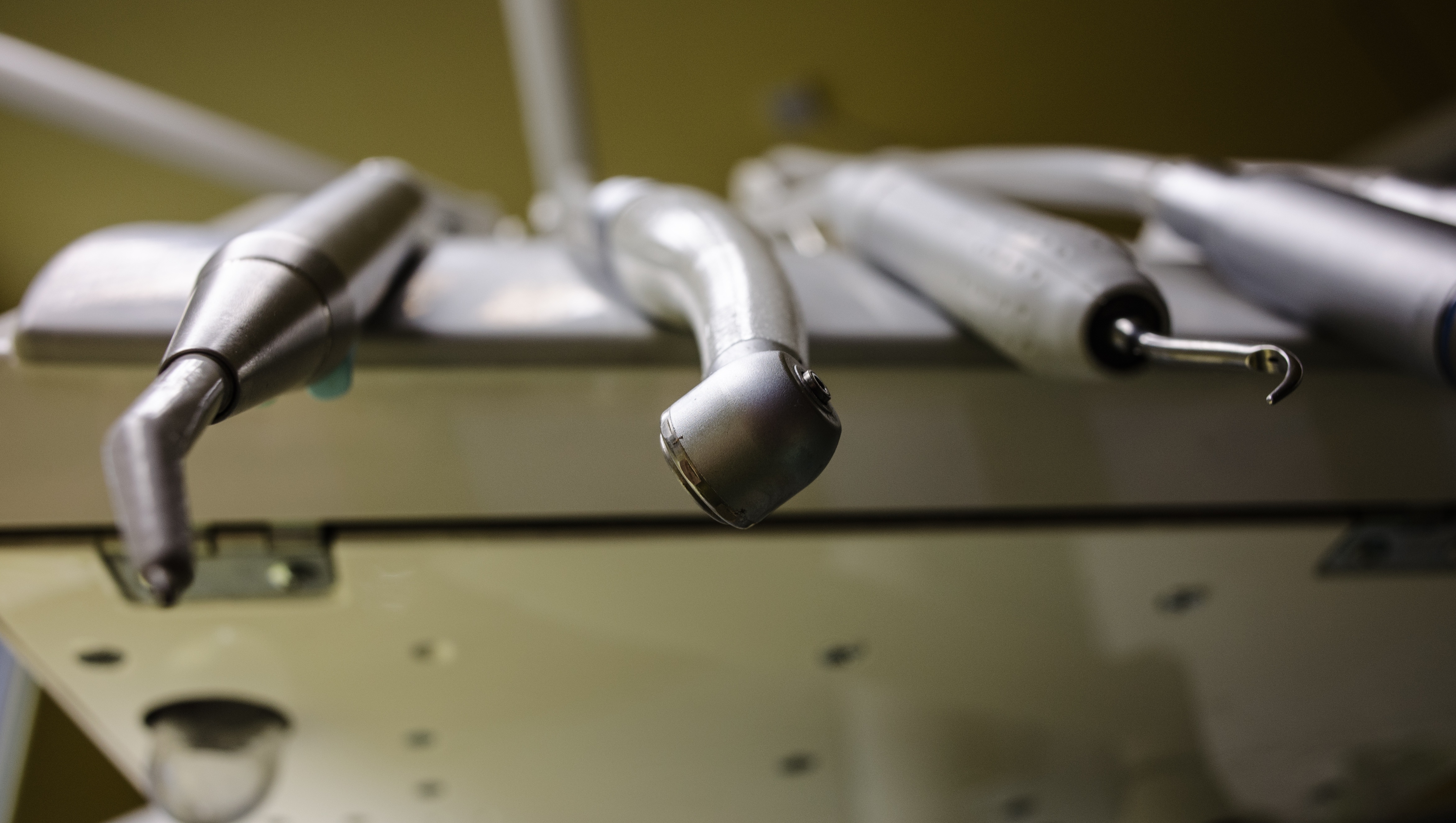
In your final two years, you transition to the clinic. You will treat patients under the supervision of licensed faculty dentists. This phase requires you to manage a patient caseload, including diagnoses, treatment planning, and execution of procedures. You will rotate through specialties such as oral surgery, orthodontics, and pediatric dentistry. This experience bridges the gap between textbook knowledge and real-world practice.
Before graduating or immediately after, you must pass the National Board Dental Examination (NBDE). Starting in 2025, this two-part exam is transitioning to the Integrated National Board Dental Examination (INBDE). The INBDE combines biomedical and clinical science into a single, integrated exam. Passing this board exam is a mandatory requirement for licensure in all 50 states and is a key step in how to become a dentist in 2026.
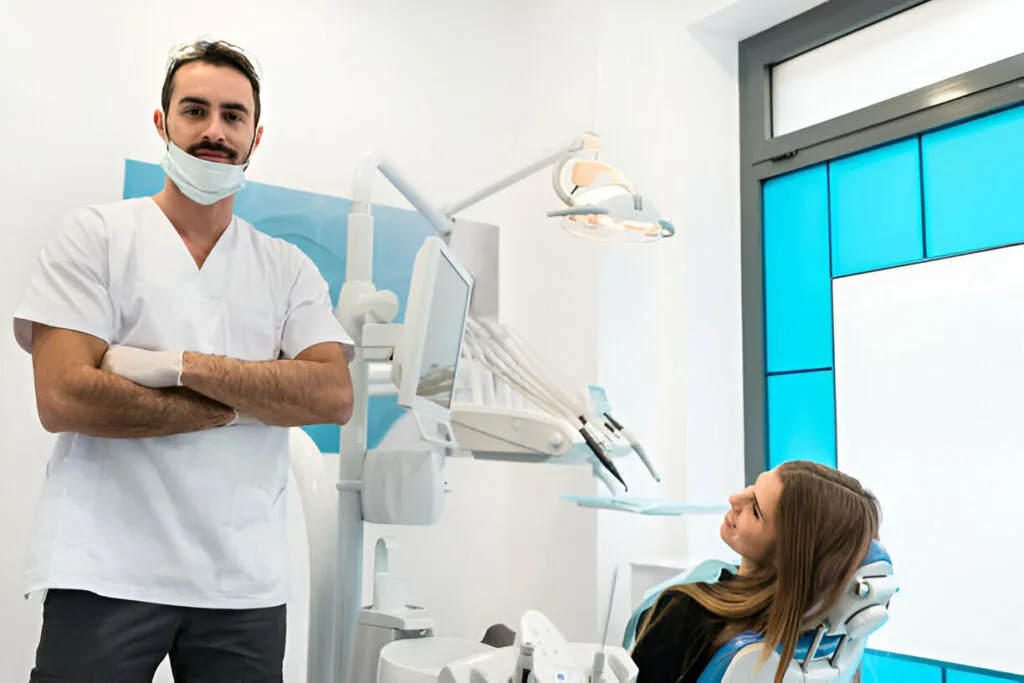
After passing the national boards, you must apply for licensure in the state where you intend to practice. Each state has its own dental board with specific requirements. Most states require you to pass a clinical licensing exam, where you demonstrate skills on simulated patients or mannequins. You must also pass a jurisprudence exam covering state dental laws and regulations. Once approved, you are licensed to practice independently.
Consider advanced training
While not required for general practice, many dentists pursue advanced training in specialties like orthodontics, endodontics, or oral surgery. These residencies typically last two to six years and require separate competitive applications. If you aim to specialize, you will need to plan for additional years of education and training beyond the DDS or DMD degree.
Explore emerging dentistry career paths
The traditional path to becoming a dentist—completing a bachelor’s degree, taking the DAT, and earning a DDS or DMD—remains the standard route to licensure. However, the career landscape is shifting. As digital workflows and AI tools reshape clinical efficiency, new roles are emerging that blend clinical skill with technology, management, or specialized care.
Clinical Technology and Digital Dentistry
Digital dentistry is no longer just about 3D printers and intraoral scanners; it is becoming a core competency for modern practitioners. You can specialize in digital workflow management, focusing on the integration of CAD/CAM systems, AI-assisted diagnostics, and virtual treatment planning. These roles often require additional certification in software platforms but offer high demand in tech-forward practices.
Practice Management and Business Operations
As independent practices face increasing regulatory and economic pressure, there is a growing need for dentists with strong business acumen. Roles in practice management, consulting, or operational leadership allow you to leverage your clinical background without necessarily performing chairside procedures full-time. Understanding metrics, supply chain logistics, and staff retention is becoming as valuable as technical proficiency.
Specialized and Non-Clinical Roles
Beyond traditional specialties like orthodontics or endodontics, consider roles in dental public health, health policy, or dental education. These paths often require additional graduate degrees or residencies but provide stable careers focused on systemic improvement rather than individual patient volume. They also offer opportunities to influence the standards of dental education and licensure exams like the INBDE.
The Impact of AI on Job Markets
AI will not replace dentists, but it will change the daily workflow. Automating routine diagnostics and administrative tasks frees up time for complex patient care and relationship building. Professionals who adapt early to these tools will find themselves more competitive in the job market. Focus on developing both clinical competence and digital literacy to future-proof your career.
"My advice would be to practice your skills and get competent as a clinician ASAP and then buy a practice ASAP."
This perspective, often discussed in professional communities, highlights the enduring value of clinical excellence combined with entrepreneurial mindset. Whether you choose a traditional clinical path or a specialized role, the foundation remains the same: rigorous education, licensure, and continuous adaptation to industry changes.
Common questions about dental school
Prospective students often ask how the timeline and requirements have shifted for 2026. The path remains rigorous, but understanding the specific steps helps you plan effectively.
How to become a dentist in 2026?
To become a licensed dentist, you typically need a Doctor of Dental Surgery (DDS) or Doctor of Dental Medicine (DMD) degree. This professional degree follows the completion of a bachelor’s degree, usually in a science-related field. The entire process involves several years of academic and clinical training after undergraduate studies.
What are the main steps to becoming a dentist?
The standard path includes earning a bachelor’s degree, taking the Dental Admission Test (DAT), applying to dental school through the ADEA AADSAS service, completing four years of dental school, and passing the National Board Dental Examination (NBDE) or Integrated NBDE (INBDE). After graduation, you must pass clinical licensing exams to practice.
Is it hard to get into dental school?
Yes, dental school is highly competitive. Admissions committees look for strong academic records, high DAT scores, and relevant experience in patient care. In 2026, the landscape remains selective, with many qualified applicants vying for limited seats. Building a well-rounded application with volunteer and shadowing hours is essential.
No comments yet. Be the first to share your thoughts!