
Why clinical guidelines matter
Evidence-based dental practice guidelines serve as the operational backbone of modern dentistry, ensuring that patient care remains consistent, safe, and scientifically sound. Without these standardized frameworks, clinical decisions often devolve into subjective preferences, leading to variability in treatment quality and potential safety risks for patients.
The American Dental Association emphasizes that clinical practice guidelines, systematic reviews, and clinical evidence are essential for translating complex research into practical, patient-centered tools [[src-serp-1]]. These guidelines act as a safeguard, helping dentists plan around the certainty of evidence and the strength of recommendations to make informed choices rather than relying on anecdotal experience alone.
By adhering to these standards, dental professionals can reduce clinical variability and improve patient outcomes. This systematic approach not only enhances the reliability of care but also builds trust with patients who expect treatments grounded in the latest scientific validation.
Reference books for dental guidelines
Clinical practice guidelines change as new evidence emerges, but foundational textbooks provide the structured framework dentists and students need to understand the "why" behind those updates. While digital libraries offer quick access to the latest papers, comprehensive reference books remain essential for mastering the core principles of diagnosis, treatment planning, and patient management.
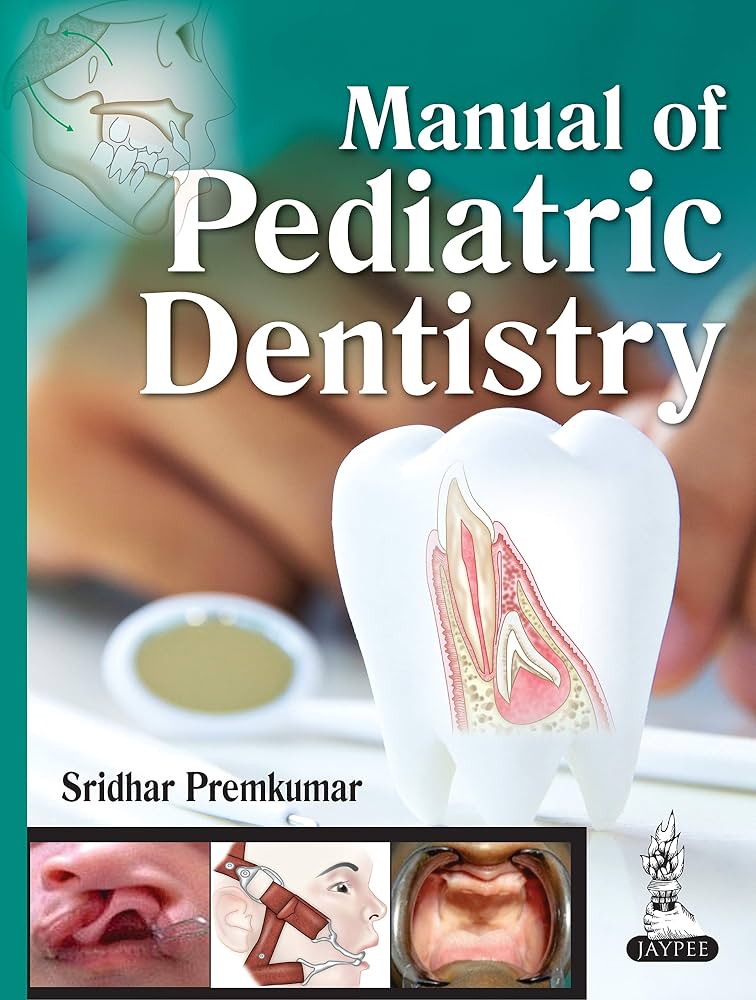
The following titles are widely regarded as primary sources for clinical decision-making in general and pediatric dentistry. These works are selected for their authority, breadth of coverage, and alignment with current best practices outlined by major dental associations.


As an Amazon Associate, we may earn from qualifying purchases.
Carr and MacGregor's Essential of General Dentistry serves as a practical bridge between basic sciences and clinical application. It is particularly useful for understanding the systemic health implications of oral disease, making it a strong reference for general practitioners who manage complex medical histories alongside dental care.
The Reference Manual of Pediatric Dentistry, published by the American Academy of Pediatric Dentistry (AAPD), is the definitive source for age-specific care standards. It consolidates the AAPD's clinical policies and recommendations into a single, searchable volume, ensuring that pediatric guidelines are always at hand for evidence-based treatment planning.
Contemporary Fixed Prosthodontics remains the gold standard for restorative dentistry education. It provides detailed, step-by-step protocols for crown and bridge procedures, implant-supported restorations, and occlusal considerations. Its clear illustrations and clinical focus make it indispensable for clinicians seeking to refine their restorative techniques.
Sturdevant's Art and Science of Operative Dentistry offers a deep dive into the materials and methods of tooth-colored restorations. It covers everything from adhesive dentistry to minimally invasive techniques, reflecting the latest advancements in biomimetic dentistry. This text is essential for practitioners aiming to stay current with the evolving standards of operative care.
Digital tools for quick access
Keeping up with the latest clinical guidelines can feel like chasing a moving target. The American Dental Association and other major bodies update protocols regularly, and relying on outdated PDFs can lead to compliance gaps or suboptimal patient care. Digital tools bridge this gap by offering instant, searchable access to current standards, ensuring your practice stays aligned with the most recent evidence-based recommendations.
Instead of sifting through massive journal archives, modern software aggregates these updates into user-friendly interfaces. These platforms often include push notifications for critical changes, such as new antibiotic prophylaxis guidelines or updated infection control protocols. This immediate access allows dentists and hygienists to verify procedures on the spot, reducing the risk of errors stemming from outdated knowledge.
The following comparison highlights leading digital guideline resources available for dental professionals. These tools vary in cost, integration capabilities, and depth of content, so choosing the right one depends on your specific practice needs.
| Tool | Primary Focus | Access Model | Integration |
|---|---|---|---|
| ADA MouthHealthy | Patient education & general guidelines | Free public resource | Web-based reference |
| DentalTown | Clinical CE & treatment planning | Subscription/CE credits | Community forum & content |
| Dentrix Ascend | Practice management & alerts | SaaS subscription | Built-in PMS updates |
| NICE Guidelines (UK) | Evidence-based clinical standards | Free public database | External reference |
While many of these tools are free public resources like the ADA’s MouthHealthy, others are embedded within practice management systems or require subscriptions for full clinical depth. The key is selecting a platform that integrates smoothly into your daily workflow without adding friction. For those looking to implement these digital resources, finding the right hardware or software bundles can be streamlined through curated marketplaces.


As an Amazon Associate, we may earn from qualifying purchases.
Choosing the right resource
Best Dental Practice Guidelines and Resources for works best as a clear sequence: define the constraint, compare the realistic options, test the tradeoff, and choose the path with the fewest hidden costs. That order keeps the advice usable instead of decorative. After each step, pause long enough to check whether the recommendation still fits the reader's actual situation. If it depends on perfect timing, unusual access, or a best-case budget, include a simpler fallback.

No comments yet. Be the first to share your thoughts!