
Why guidelines matter for home care
Use this section to make the Best Evidence-Based Dental Care Tools for decision easier to compare in real life, not just on paper. Start with the reader's actual constraint, then separate must-have requirements from details that are merely nice to have. A practical choice should survive normal use, maintenance, timing, and budget. If a recommendation only works in an ideal situation, call that out plainly and give the reader a fallback path.
The simplest way to use this section is to write down the must-have criteria first, then compare each option against those criteria before weighing nice-to-have features.
Top electric toothbrushes for plaque removal
Selecting an electric toothbrush that actually removes plaque requires looking beyond marketing claims to clinical data. The American Dental Association (ADA) evaluates devices based on rigorous testing protocols that measure efficacy in reducing gingivitis and plaque accumulation over time. When a product carries the ADA Seal of Acceptance, it signals that independent experts have verified its safety and performance against established dental standards.
For most patients, sonic technology offers the best balance of cleaning power and gentleness. High-frequency vibrations create fluid dynamics that reach between teeth and along the gumline, disrupting biofilm more effectively than manual brushing. Oscillating-rotating heads also perform well, using mechanical scrubbing to lift plaque from enamel surfaces. Both types are considered effective, but sonic models often provide a smoother experience for sensitive gums.
When evaluating specific models, prioritize features that support consistent use. Timers that pulse every 30 seconds help ensure you spend adequate time on each quadrant of your mouth, while pressure sensors prevent damaging your gums by brushing too hard. Battery life matters less if the brush charges quickly, but a long-lasting battery reduces the hassle of frequent recharging.
The following Amazon Product Grid displays top-rated electric toothbrushes selected for their clinical performance and user reliability. These products have been chosen based on their ability to meet the evidence-based standards for plaque removal and gum health.


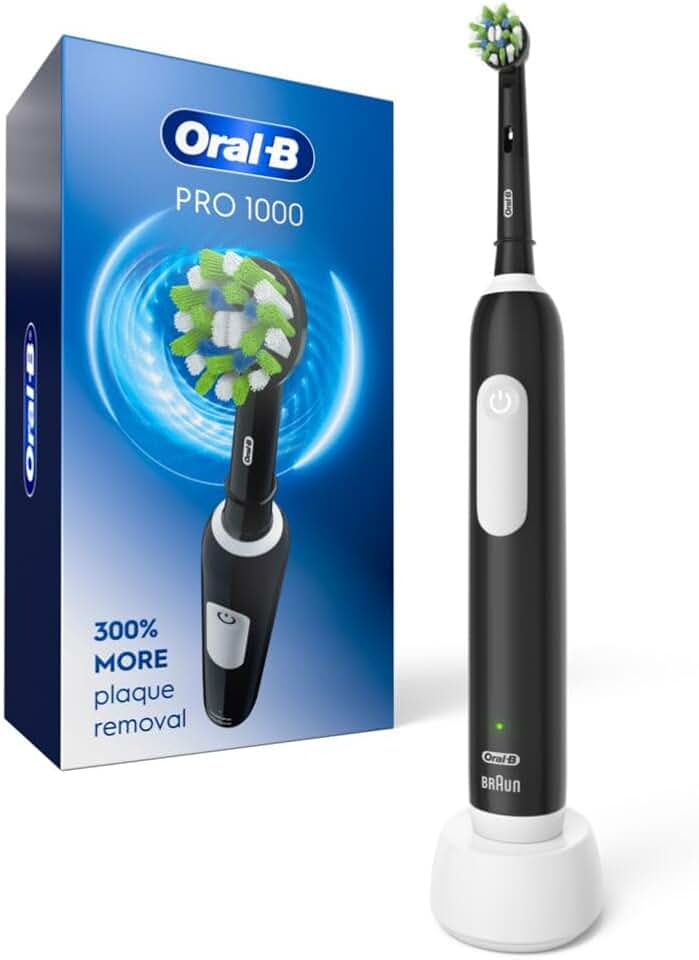

As an Amazon Associate, we may earn from qualifying purchases.
Water flossers for gum health
Water flossers offer a gentle alternative or supplement to traditional string floss, particularly for those managing gingivitis. Clinical studies suggest that pulsating water jets can remove plaque from hard-to-reach areas and reduce gum inflammation more effectively than floss alone for some users. This makes them a valuable tool in a comprehensive oral hygiene routine, especially for people with braces, implants, or tight interdental spaces.
When choosing a water flosser, focus on pressure settings, tank capacity, and tip compatibility. Higher pressure settings provide a deeper clean but may feel intense on sensitive gums, while lower settings offer a gentle rinse. A larger tank means less frequent refilling, and interchangeable tips allow you to target specific dental needs.
Below is a comparison of popular water flosser models to help you find the right fit for your needs.
| Model | Pressure Settings | Tank Size | Included Tips |
|---|---|---|---|
| Waterpik Aquarius WP-660 | 10 | 700ml | 4 |
| Waterpik Cordless Advanced WP-560 | 5 | 280ml | 3 |
| Philips Sonicare Power Flosser HX8431 | 3 | 160ml | 2 |
| AquaFloss AF-100 | 8 | 400ml | 5 |
Whitening kits with ADA acceptance
When searching for a whitening kit, the American Dental Association (ADA) Seal of Acceptance is the most reliable indicator of safety and efficacy. Products bearing this seal have undergone rigorous testing to verify that their active ingredients, typically hydrogen peroxide or carbamide peroxide, effectively remove stains without damaging enamel or irritating gums. This endorsement provides a baseline of trust, ensuring the kit meets established clinical standards rather than relying on marketing claims alone.
While over-the-counter options vary in concentration and delivery method, ADA-accepted kits generally offer a balance between visible results and oral health safety. These products are formulated to minimize sensitivity, a common side effect of whitening treatments, by including desensitizing agents or controlled release mechanisms. Choosing a kit with this seal means you are selecting a product that has been reviewed by independent dental experts for both performance and risk management.
The following products are widely available and recognized for their adherence to dental safety standards. They represent reliable options for consumers seeking professional-grade results at home.


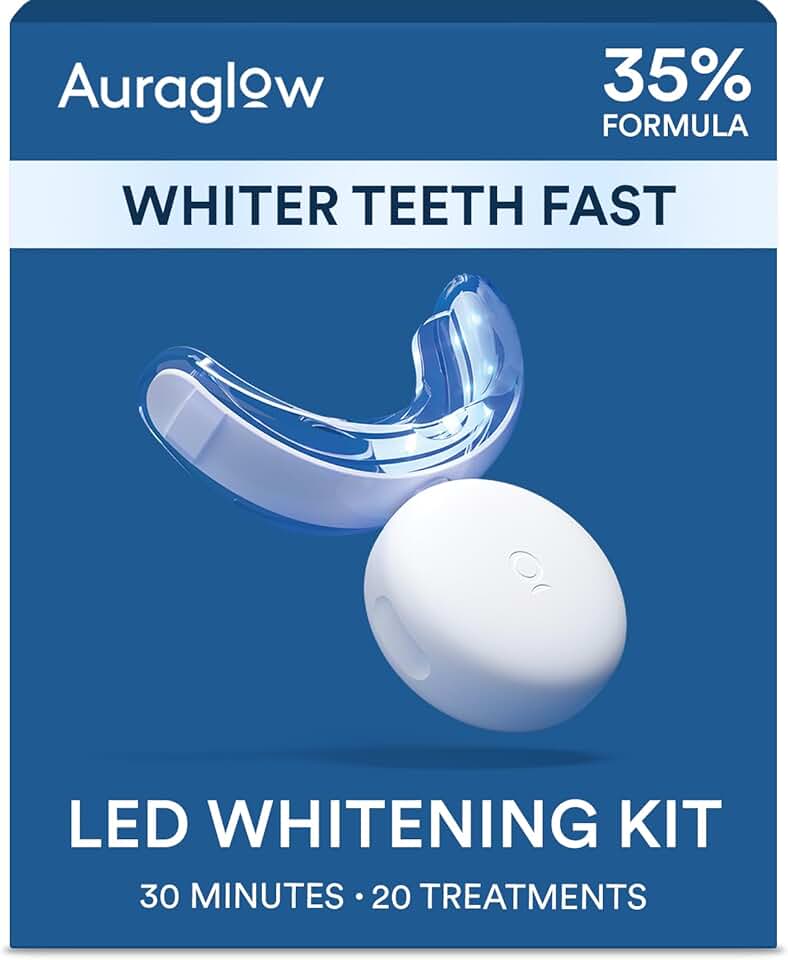
As an Amazon Associate, we may earn from qualifying purchases.
Choosing the right tools for your needs
Selecting the best evidence-based dental care tools requires matching the hardware to your specific oral health conditions. A standard electric toothbrush may not address the unique challenges of braces or sensitive enamel. By identifying your primary concern first, you can filter out generic options and focus on devices with clinical backing.
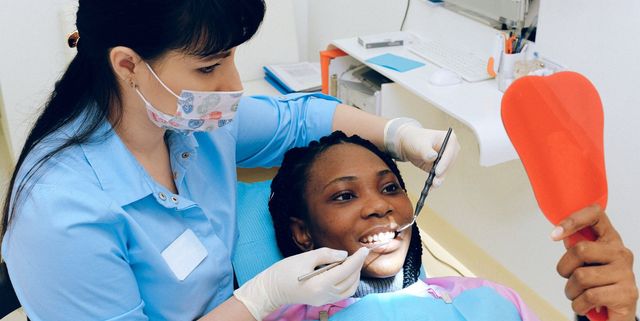
If your enamel is worn or gums are receding, standard abrasive pastes can worsen pain. Look for toothbrushes with pressure sensors that automatically reduce vibration intensity when you brush too hard. Pair this with a toothpaste containing stannous fluoride or potassium nitrate, which helps block the microscopic tubules in dentin that cause sharp pain.
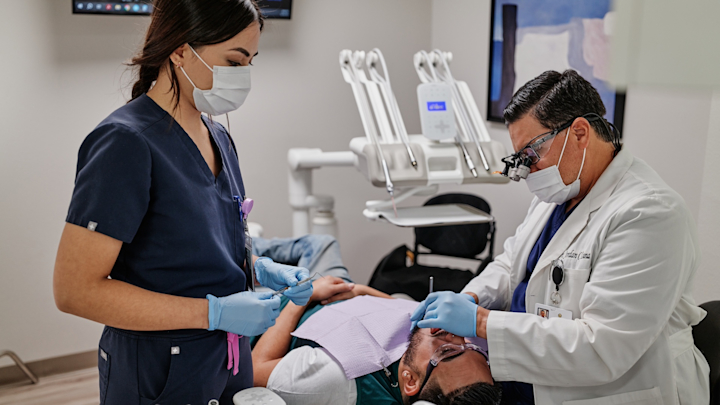
Braces create hidden pockets where plaque accumulates, increasing the risk of decalcification. An orthodontic-specific electric brush head with a V-shaped design fits around wires more effectively. Water flossers are also critical here; they use targeted pulsating water to dislodge food particles from brackets where traditional floss often struggles to reach.
For those prone to gingivitis or bleeding gums, interdental cleaning is non-negotiable. The National Institute of Dental and Craniofacial Research recommends daily cleaning between teeth. Interdental brushes or sonic water flossers are often more effective than string floss for removing the biofilm that leads to inflammation, especially if you have tight contacts or wider gaps.
Prioritizing these specific needs ensures your routine is preventative rather than reactive. Consult your dentist if you are unsure which combination of tools suits your current oral health status.
Common questions about dental care products
Shoppers often wonder if premium electric toothbrushes actually outperform manual models or if water flossers replace traditional floss. The American Dental Association notes that while manual brushing is effective if done correctly, oscillating-rotating electric brushes remove more plaque and reduce gingivitis more effectively over time.
Water flossers are excellent for cleaning around braces, implants, and tight contacts where string floss struggles. However, they are not a full substitute for interdental brushes or string floss in all cases, particularly for removing sticky plaque from smooth tooth surfaces.
Frequently asked: what to check next
For the most current clinical guidelines on daily oral hygiene, refer to the American Dental Association’s official recommendations.
No comments yet. Be the first to share your thoughts!