
Understand the new dental school prerequisites
The landscape of dental education is shifting. As AI tools integrate into diagnostics and treatment planning, dental schools are updating their admission requirements to reflect these changes. If you are preparing for dental school in 2026, you need to look beyond the traditional science prerequisites. Admissions committees now expect a clearer demonstration of how you will use technology to improve patient outcomes.
Start by reviewing the core science requirements, which remain largely unchanged. You will still need a full sequence of biology with labs, general chemistry, organic chemistry, and physics. Most schools also require biochemistry and molecular biology. These courses build the foundational knowledge you will need for the DAT (Dental Admission Test) and your first two years of dental school. Do not skip the lab components; hands-on experience is critical for developing the manual dexterity required in dentistry.
The significant change lies in the emerging expectations around data literacy and technology. While not yet universal, many top programs are looking for evidence that you understand basic data analysis, electronic health records (EHR), or introductory programming. You do not need a computer science degree, but familiarity with how AI assists in radiographic analysis or treatment simulation is becoming a differentiator. Check the specific requirements of your target schools, as the American Dental Association (ADA) continues to update its guidelines on what constitutes a competitive applicant.
Another key area to focus on is the increasing emphasis on interdisciplinary care. Modern dentistry does not exist in a vacuum. Schools are looking for applicants who understand how oral health connects to systemic health, including conditions like diabetes and cardiovascular disease. This means your prerequisite courses should ideally include some exposure to anatomy, physiology, and microbiology that highlights these connections. When you write your personal statement or prepare for interviews, be ready to discuss how you view dentistry as part of a broader healthcare ecosystem.
Finally, verify the application timelines. Most dental schools use the AADSAS (Associated American Dental Schools Application Service) system. The cycle typically opens in May, with submissions due in June for the following year's entry. Missing these deadlines is a common mistake that can derail your entire application. Set up your transcripts early and request letters of recommendation from professors who can speak to your scientific aptitude and your potential for innovation in the field.
Work through the steps
Implementing the 2026 dentistry guidelines requires a systematic shift from reactive care to data-informed prevention. Dental schools and practitioners must align curriculum and clinical workflows with emerging standards in AI-driven diagnostics and updated accreditation requirements. This process involves verifying institutional compliance, integrating new digital tools, and ensuring faculty readiness.
Follow this sequence to manage the transition effectively.
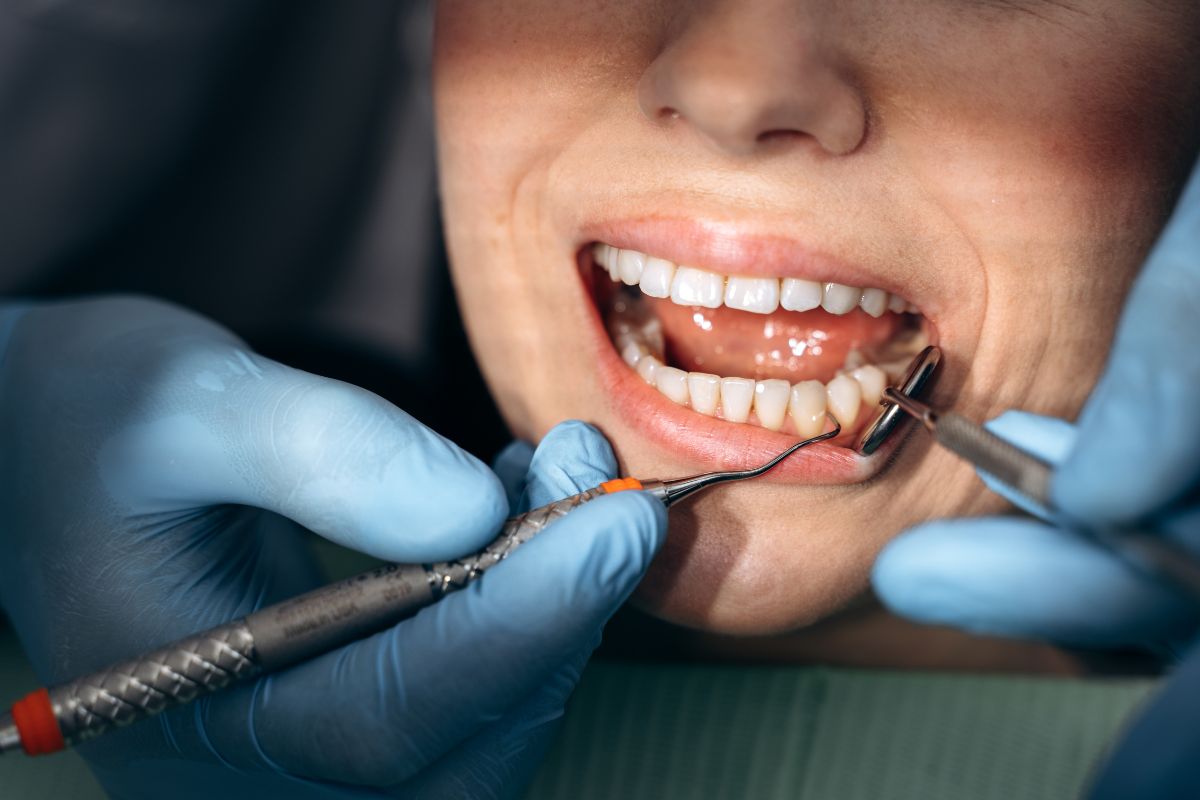
Begin by comparing your current dental school syllabus or clinic protocols against the latest American Dental Association (ADA) evidence-based research. Focus on gaps in AI literacy and preventive care modules. Identify which courses require revision to meet new accreditation benchmarks for digital dentistry and computational health.

Select validated AI software for radiographic analysis and caries detection. Train students and staff on interpreting algorithmic outputs rather than relying on them as final diagnoses. This step ensures that emerging technology augments clinical judgment without replacing critical thinking.
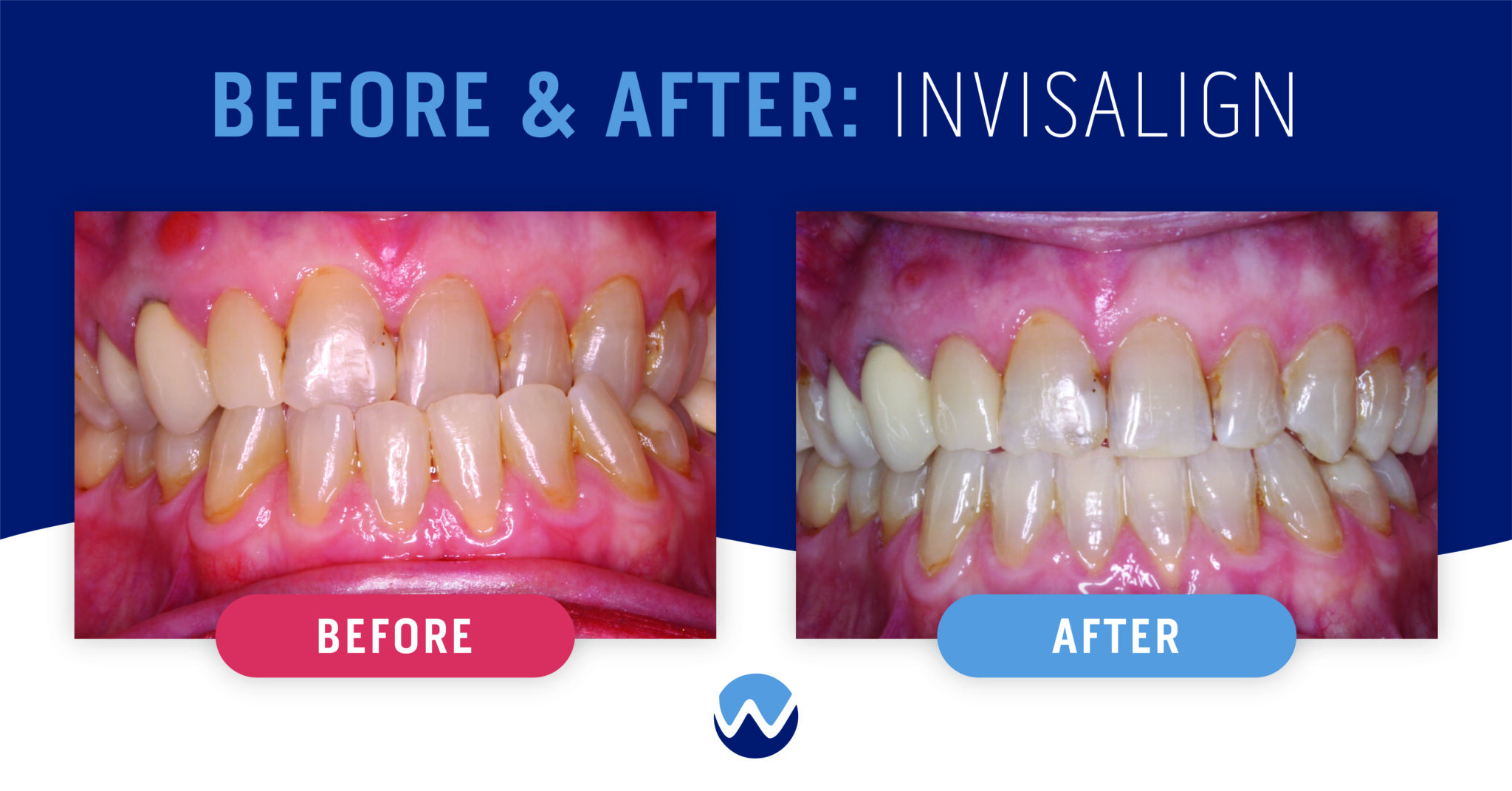
Organize workshops for educators on the latest CAD/CAM systems and patient data management platforms. Faculty must be proficient in these tools to mentor students effectively. Ensure training covers both technical operation and ethical data handling.
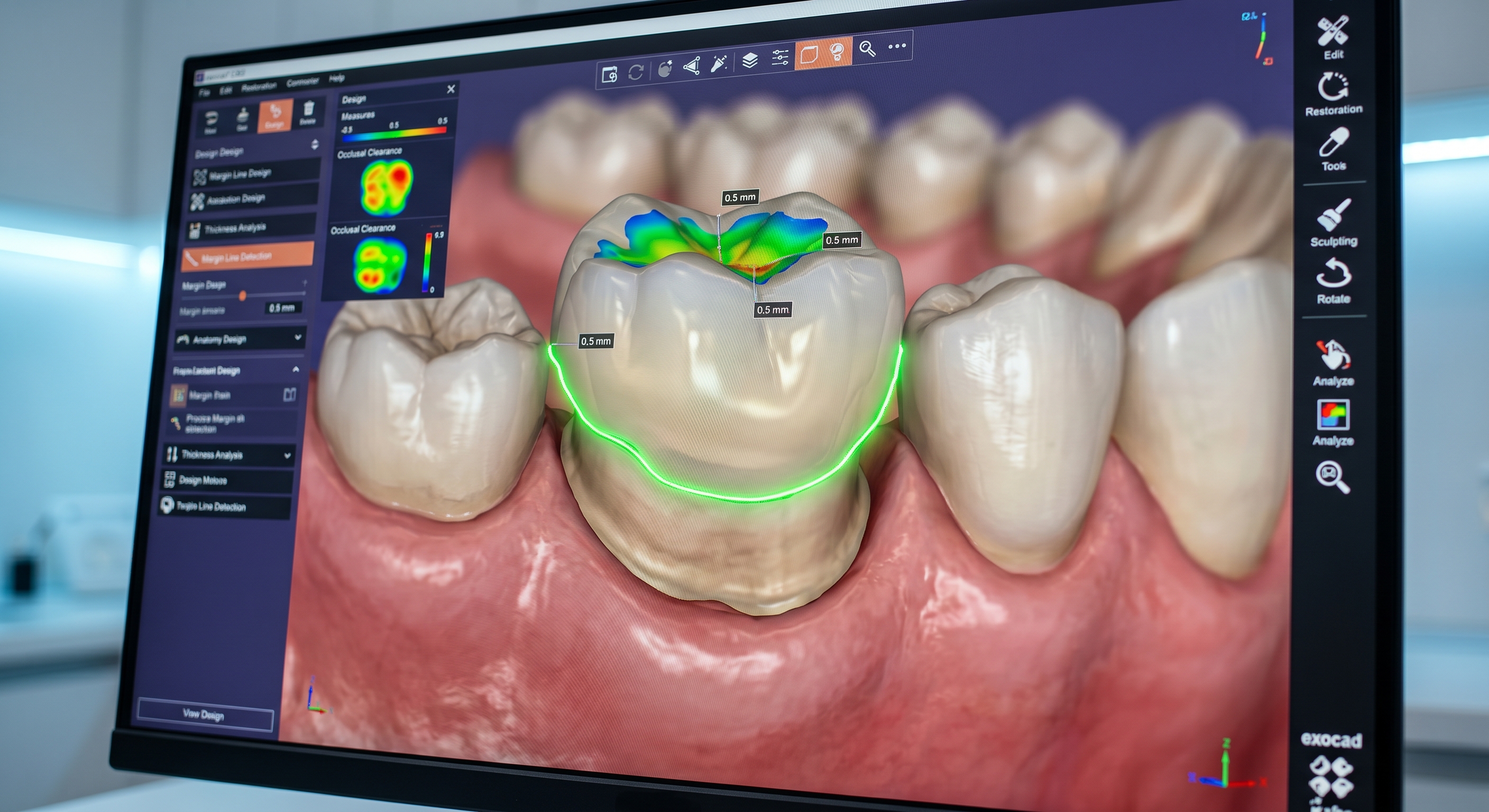
Connect with technology providers and clinical research centers to stay updated on software updates and regulatory changes. Regular input from industry ensures that the skills taught in dental schools remain relevant to modern practice environments.
Submit revised curriculum documents to the relevant accrediting bodies, such as the CODA. Ensure all changes in digital health, AI integration, and preventive care are clearly documented. This verification step is critical for maintaining institutional standing and student eligibility.
A checklist can help you track progress through these updates:
-
Compare current syllabus with 2026 ADA guidelines
-
Select and test AI diagnostic software
-
Schedule faculty training sessions
-
Connect with industry partners for feedback
-
Submit updates to accrediting bodies
Fix common mistakes
Even with updated 2026 dental school requirements and emerging AI-driven career paths, clinical outcomes often suffer from preventable errors. These mistakes usually stem from misinterpreting new guidelines or failing to integrate digital tools correctly. Below are the most frequent pitfalls and how to avoid them.
Overlooking updated infection control protocols
The 2026 guidelines place heavier emphasis on surface disinfection and instrument processing due to increased aerosol-generating procedures in digital workflows. Many practices still rely on outdated checklists that do not account for the new materials used in 3D-printed models or AI-assisted imaging devices.
The Fix: Audit your infection control manual against the latest ADA evidence-based recommendations. Ensure that all digital impressions and intraoral scanners are treated as critical items requiring high-level disinfection if they contact mucous membranes. Update your sterilization logs to reflect these specific categories.
Ignoring data privacy in AI integration
AI-driven oral health tools often require cloud-based processing, which introduces significant data privacy risks. A common mistake is assuming that standard HIPAA compliance is sufficient for AI vendors. Many AI platforms process patient data in ways that may not align with current state-specific privacy laws or the stricter 2026 federal interpretations.
The Fix: Vet every AI vendor’s data handling policy before implementation. Require a Business Associate Agreement (BAA) that explicitly details data encryption, storage location, and deletion protocols. Do not rely on the vendor’s marketing claims; review their security certifications independently.
Failing to cross-train staff on digital workflows
The shift toward AI-driven diagnostics requires more than just buying new software; it demands a change in how hygienists and assistants prepare patients and handle data. A frequent error is training only dentists on new digital tools, leaving support staff unprepared to manage the increased workflow complexity.
The Fix: Implement cross-training sessions where hygienists and assistants learn the basics of AI-assisted diagnostics. This ensures that patient flow remains smooth and that data entry errors are minimized. Regular drills on handling digital anomalies can prevent bottlenecks during peak hours.
Dentistry guidelines: what to check next
Managing the 2026 dental landscape requires clarity on how new standards affect your education and career. Whether you are a student weighing AI-driven curricula or a practitioner adjusting to updated infection control protocols, these answers address the most common practical concerns.
No comments yet. Be the first to share your thoughts!