

Find the official guidelines
Start with the American Dental Association (ADA) and the Centers for Disease Control and Prevention (CDC). These organizations publish the most current, evidence-based standards for clinical practice. Relying on these primary sources ensures you are following protocols that have been reviewed by experts, rather than outdated advice or anecdotal trends.
The ADA maintains a dedicated library of clinical practice guidelines. These documents cover specific areas such as antibiotic prophylaxis, caries risk assessment, and periodontal disease management. You can access the full library directly through the ADA’s research portal here.
For infection control, the CDC provides a comprehensive summary of prevention practices in dental settings. This guide is essential for maintaining a safe environment for both patients and staff. Review the CDC’s infection prevention summary here to ensure your sterilization and barrier techniques meet federal recommendations.
Avoid relying solely on commercial dental supply websites or social media trends for clinical protocols. While these sources may offer useful product information, they do not replace the rigorous peer-review process used by the ADA and CDC. Cross-reference any new technique with official guidelines before implementing it in your practice.
Implement infection control protocols
Infection control in dental settings is not optional; it is the foundation of patient safety. Following the CDC’s summary of basic infection prevention practices ensures that both staff and patients are protected from bloodborne pathogens and other infectious agents. These protocols must be applied consistently across every procedure, regardless of complexity.
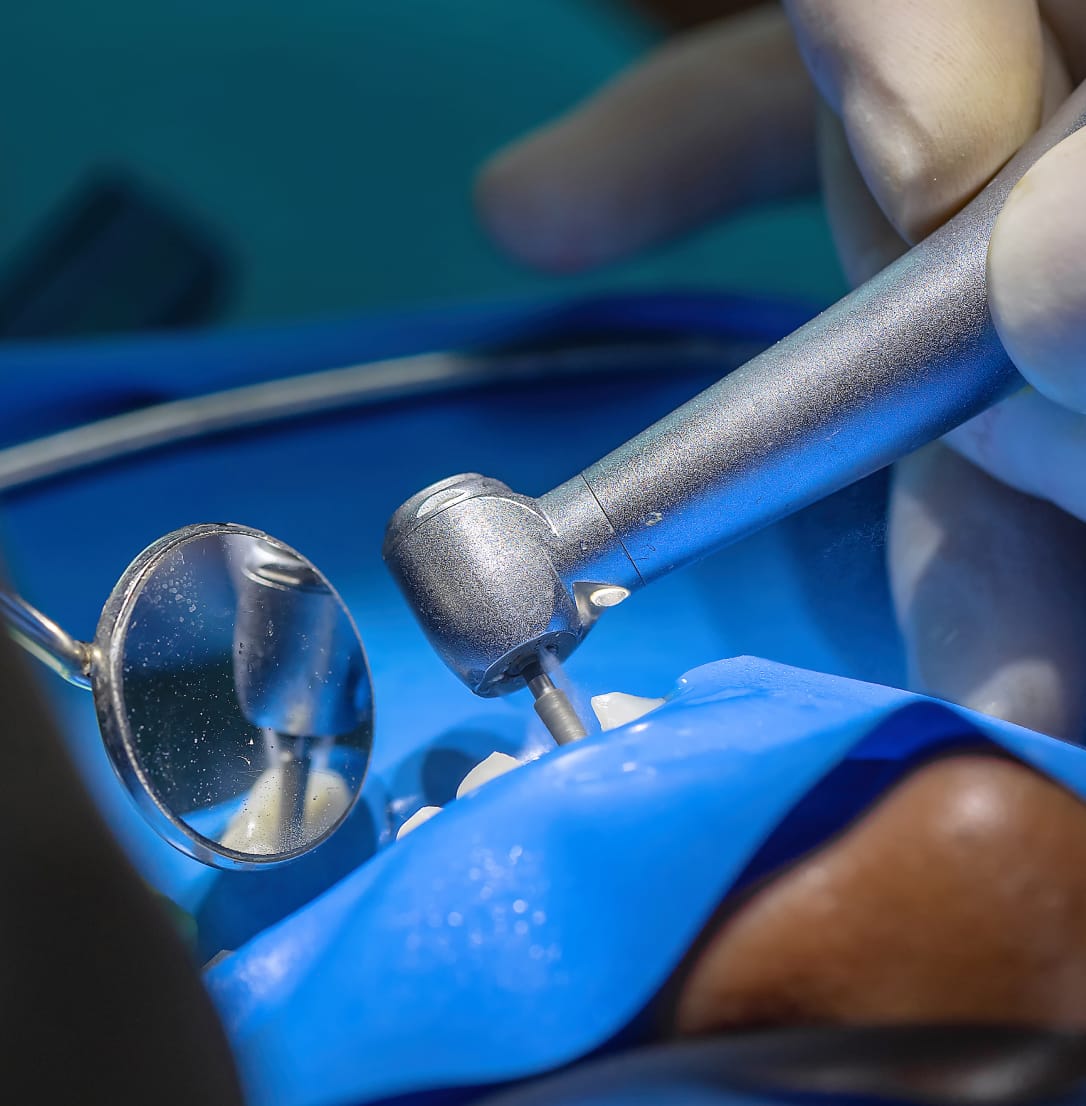
Before the patient arrives, ensure the operatorium is set up to minimize contamination risks. Use surface barriers on all clinical contact surfaces that are difficult to clean, such as light handles, computer keyboards, and chair controls. Replace barriers between each patient. Keep the workspace organized to reduce clutter, which can harbor pathogens and complicate cleaning protocols.
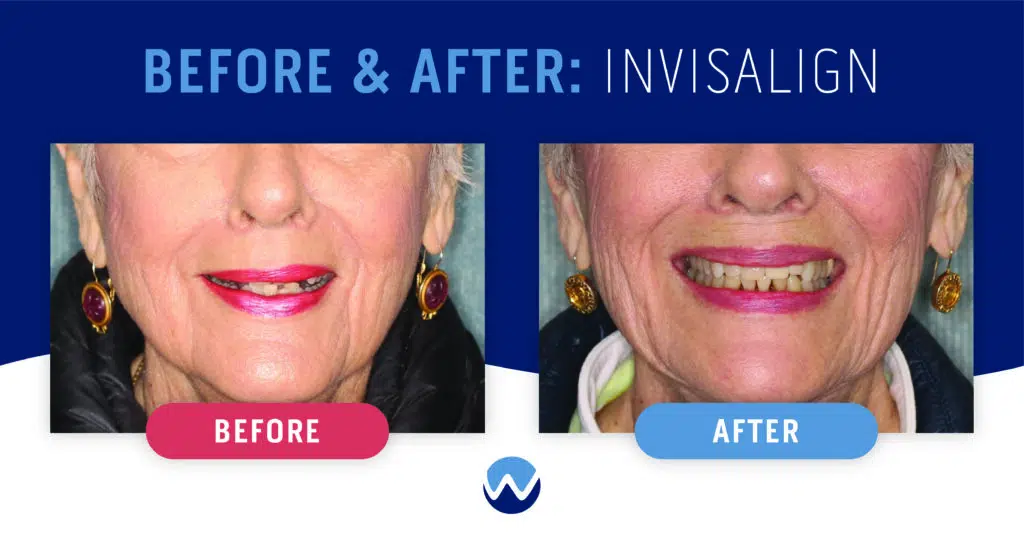
Standard precautions require the use of PPE for every patient encounter. Wear a mask, protective eyewear or face shields, and a clinical uniform or gown with long sleeves. Gloves are mandatory when touching mucous membranes, non-intact skin, or potentially infectious materials. Change gloves between patients and whenever they become torn or heavily contaminated.
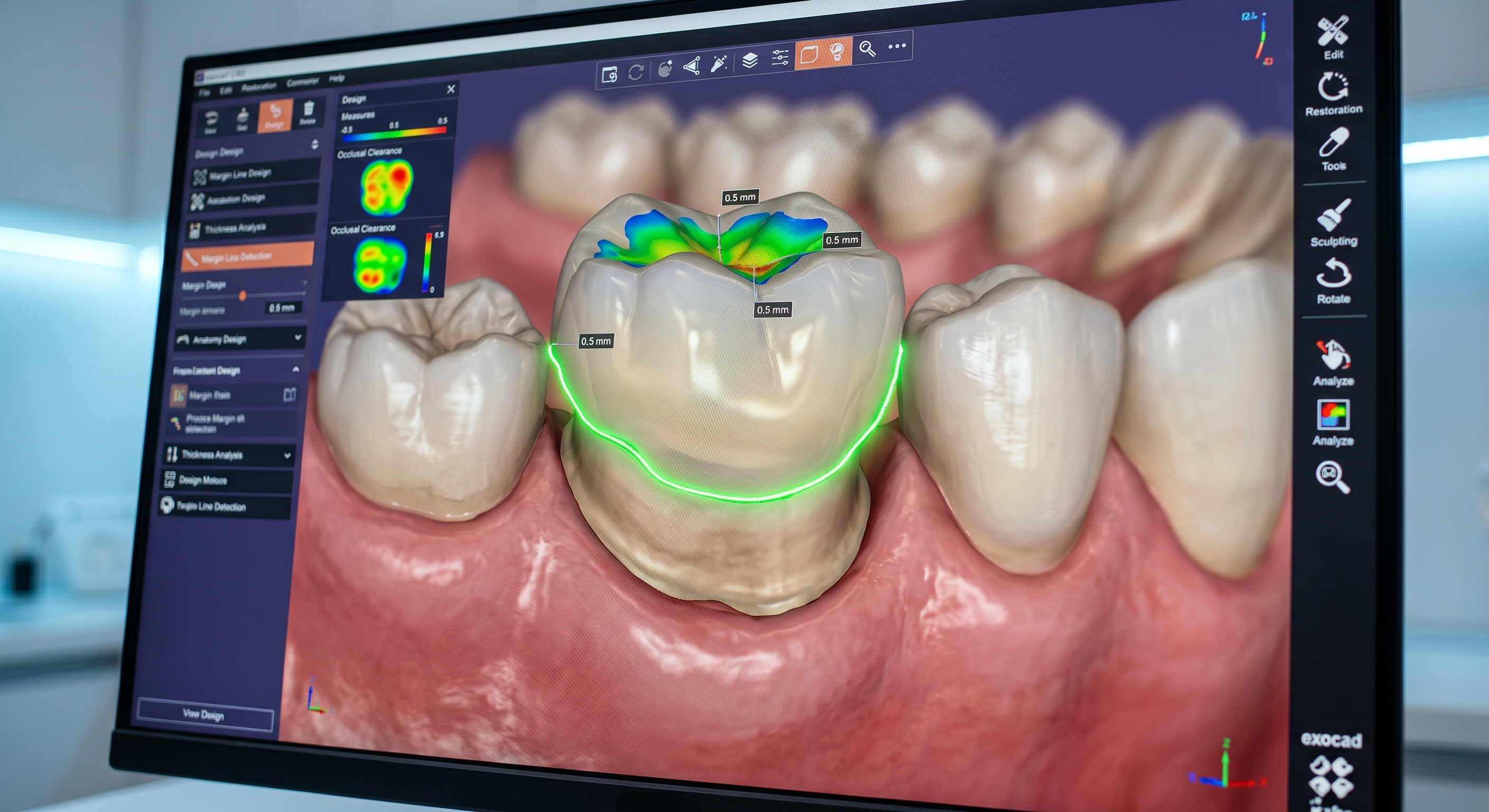
All critical and semi-critical instruments must be sterilized after each use. Follow a rigorous cleaning process to remove debris before loading instruments into an autoclave. Verify that sterilization cycles are effective by using chemical indicators on every load and biological monitoring at least weekly. Store sterilized instruments in a clean, dry environment to prevent recontamination.
Dental unit waterlines are prone to biofilm buildup, which can harbor bacteria. Flush waterlines for at least 20–30 seconds at the beginning of the day and between patients if air/water syringes are used. Use sterile water for surgical procedures. Clean and lubricate handpieces according to manufacturer instructions to ensure proper function and prevent internal contamination.
Adhering to these steps creates a defensive barrier against infection. For detailed guidance on specific procedures or emerging pathogens, refer to the CDC’s comprehensive summary of infection prevention practices in dental settings. Consistency is key: these protocols must be second nature to every member of the dental team.
Adopt evidence-based clinical decisions
Treat this step as a welfare screen for Apply Current Dentistry Guidelines in Practice. Compare the source, the animal's visible condition, the seller's care knowledge, the paperwork, and the transport plan before you commit. A good purchase path should make the dragon's health easier to verify, not harder. Pause before paying if any part of the chain is unclear. Confirm the exact animal, pickup or shipping timing, heat-pack plan when relevant, return policy, and the supplies you need at home for the first week.
Use the checklist as a welfare screen: verify the source, health signs, enclosure readiness, paperwork, and transport plan before paying.
Address common guideline mistakes
Apply Current Dentistry Guidelines in Practice troubleshooting should start with a clear boundary: what is actually broken, and what still works normally. Check the display, network connection, paired devices, app access, and recent updates before assuming the whole system needs a reset. A small connection failure can make the main screen feel unreliable even when the core system is fine. Work from low-risk checks to deeper resets. Confirm power state, safe parking, account access, and signal first. Then restart the interface, wait for it to reload completely, and test the original symptom. Avoid changing multiple settings at once because that makes it harder to know which step actually fixed the problem. If the issue affects safety information, repeats after every restart, or appears with warning messages, treat the reset as a temporary diagnostic step rather than the final fix. Document the symptom and move to official support instead of stacking more DIY attempts.
The simplest way to use this section is to keep the setup small, verify each change, and record the stable configuration before adding optional accessories.
Verify compliance regularly
Apply Current Dentistry Guidelines in Practice works best as a clear sequence: define the constraint, compare the realistic options, test the tradeoff, and choose the path with the fewest hidden costs. That order keeps the advice usable instead of decorative. After each step, pause long enough to check whether the recommendation still fits the reader's actual situation. If it depends on perfect timing, unusual access, or a best-case budget, include a simpler fallback.
The simplest way to use this section is to write down the real constraint first, compare each option against it, and choose the path that still works outside ideal conditions.
No comments yet. Be the first to share your thoughts!