

Choosing the right reference book
Best Dentistry Textbooks for Students and Professionals works best as a clear sequence: define the constraint, compare the realistic options, test the tradeoff, and choose the path with the fewest hidden costs. That order keeps the advice usable instead of decorative. After each step, pause long enough to check whether the recommendation still fits the reader's actual situation. If it depends on perfect timing, unusual access, or a best-case budget, include a simpler fallback.
The simplest way to use this section is to write down the real constraint first, compare each option against it, and choose the path that still works outside ideal conditions.
Top picks for dental students
Choosing the right textbook is the first step in building a clinical foundation. The best resources for dental students balance basic science with practical application, providing the evidence-based framework needed for exams and early clinical practice. We evaluated the most widely used texts in dental education, focusing on clarity, visual aids, and alignment with current standards.
These selections cover the core disciplines—oral anatomy, pathology, and clinical procedures—that form the backbone of dental school curricula. They are selected for their comprehensive coverage and reputation among faculty and students alike.


As an Amazon Associate, we may earn from qualifying purchases.
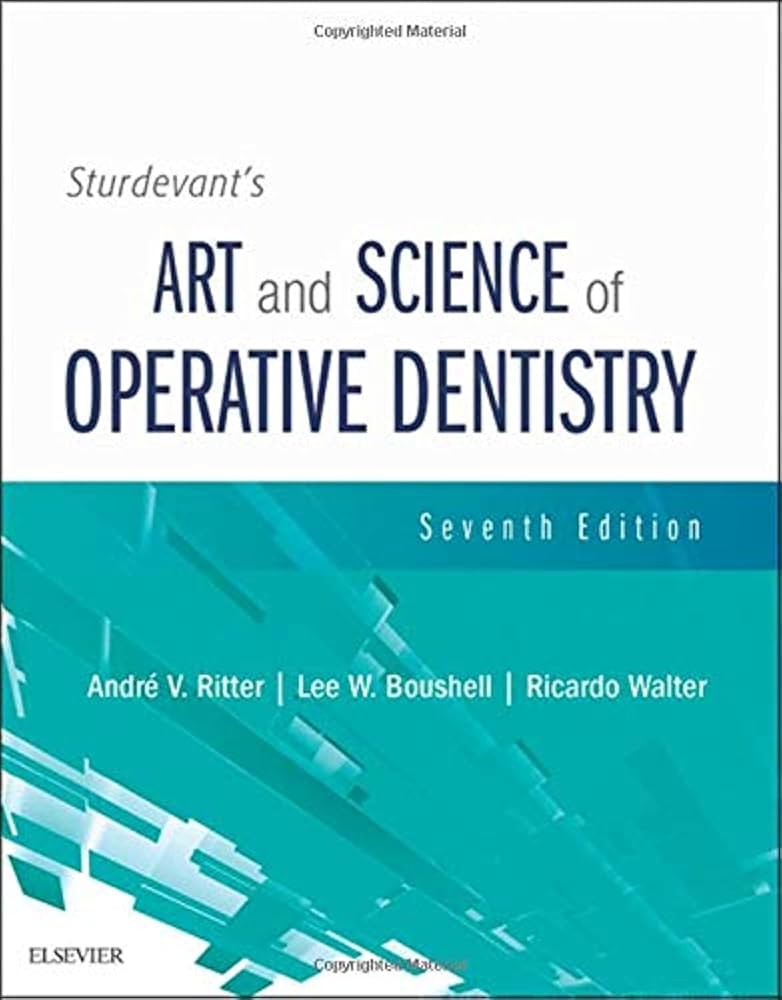
Each of these texts serves a specific purpose in your education. For instance, Sturdevant’s is often considered the definitive guide for operative dentistry, detailing the "art and science" of restorative procedures with high-resolution clinical photographs. Similarly, Wheeler’s Dental Anatomy remains the industry standard for learning tooth morphology, providing detailed diagrams that are crucial for identifying structures during clinical exams.
When selecting these books, consider whether you prefer a digital edition or a physical copy for note-taking. Many of these titles offer companion websites with additional case studies and self-assessment questions. For the most up-to-date clinical protocols, always cross-reference your textbooks with guidelines from authoritative bodies like the American Dental Association, which provide evidence-based recommendations for patient care.
Essential guides for practitioners
For clinicians, textbooks must bridge the gap between academic theory and daily clinical decision-making. The most effective resources serve as quick-reference tools that align with current American Dental Association (ADA) guidelines, ensuring that treatment plans are both evidence-based and compliant with industry standards.
Rather than overwhelming the reader with dense theory, these selected titles focus on practical protocols for restorative dentistry, endodontics, and periodontics. They are designed to sit on the operatories shelf, offering immediate answers to complex clinical scenarios without requiring a deep dive into historical context.
Comparison of Key Practitioner Textbooks
The following table compares three widely used practitioner guides based on edition recency, primary audience, and core clinical focus. This comparison helps you select the resource that best fits your current practice needs.
| Title | Target Audience | Primary Clinical Focus | Latest Edition |
|---|---|---|---|
| Sturdevant’s Art and Science of Operative Dentistry | General Practitioners & Residents | Restorative techniques & material science | 7th Edition |
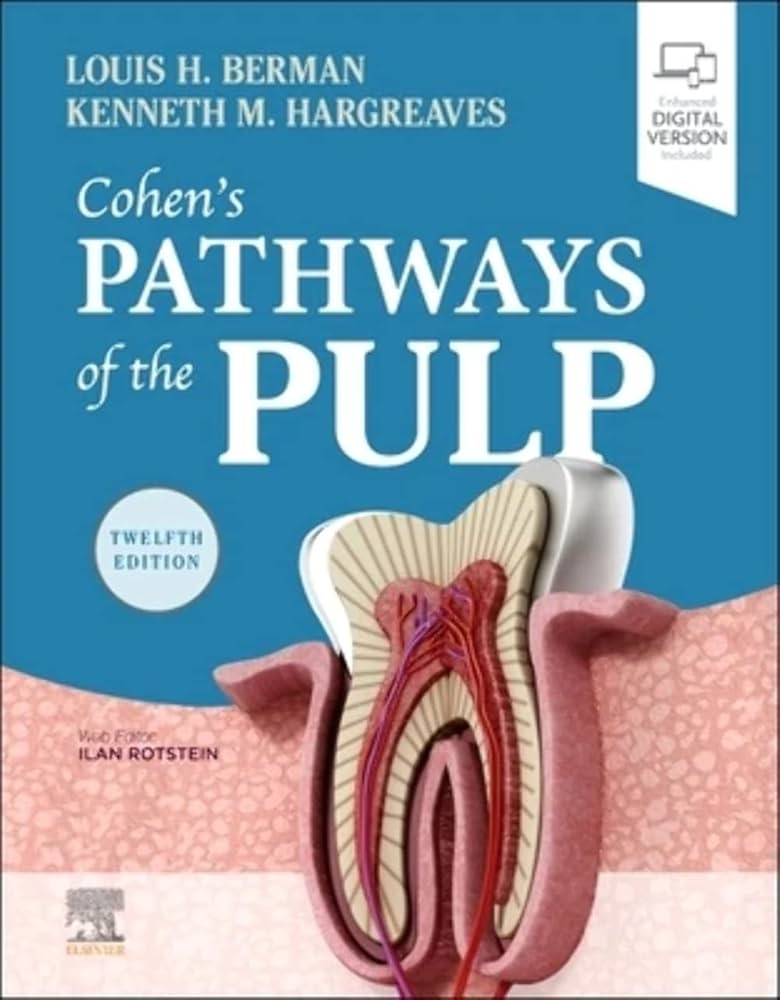
| Cohen’s Pathways of the Pulp | Endodontists & Specialists | Root canal therapy & endodontic surgery | 12th Edition |
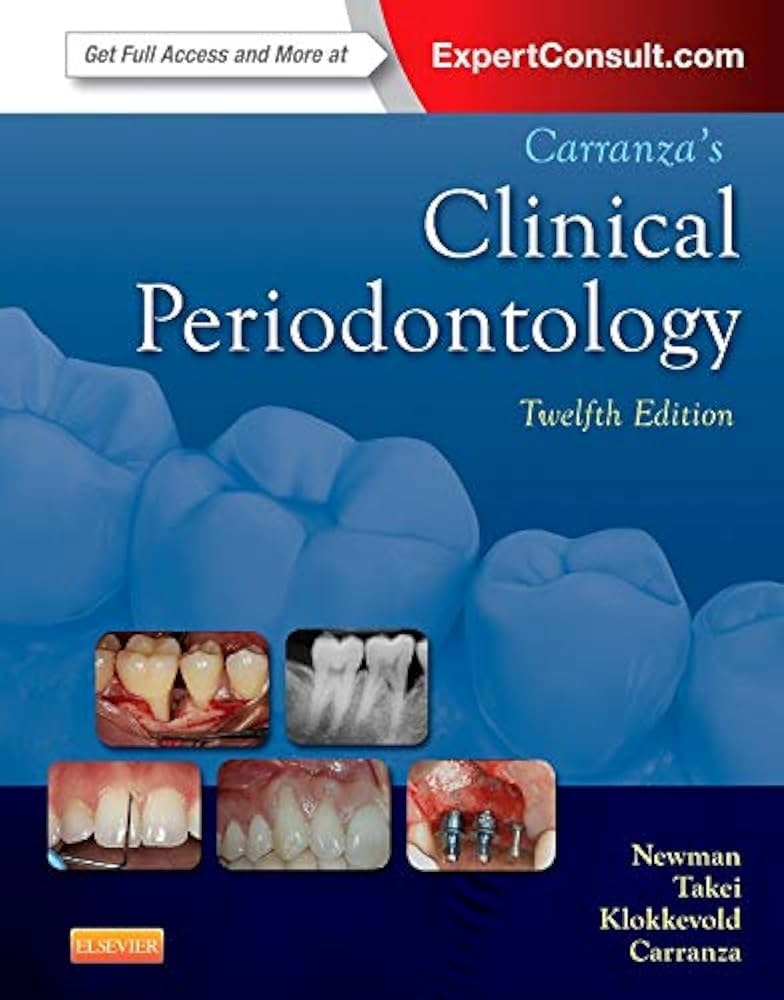
| Carranza’s Clinical Periodontology | Periodontists & Hygienists | Gum disease & surgical periodontics | 13th Edition |
Sturdevant’s remains the gold standard for operative dentistry, providing detailed protocols for direct and indirect restorations. It is particularly useful for practitioners looking to refine their adhesive techniques and material selection based on the latest ADA recommendations. The text is structured to allow for quick lookup of specific procedures.
Cohen’s Pathways of the Pulp offers comprehensive coverage of endodontic biology and clinical management. It is essential for general dentists who perform root canals, offering clear guidance on managing complex cases and adhering to current infection control standards set by the CDC and ADA. The edition includes updated digital imaging protocols.
Carranza’s Clinical Periodontology is the definitive reference for periodontal therapy. It covers both non-surgical and surgical approaches to managing periodontal diseases. The text emphasizes evidence-based treatment planning, making it a vital resource for maintaining compliance with ADA clinical guidelines for periodontal care.
As an Amazon Associate, we may earn from qualifying purchases.
These resources are not merely academic exercises; they are practical tools that support daily clinical excellence. By choosing textbooks that prioritize current guidelines and procedural clarity, practitioners can ensure their care remains both effective and compliant with modern standards.
Specialty references to consider
General dentistry textbooks provide the foundation, but clinical practice quickly diverges into specialized territories. Students and professionals preparing for board exams or residency interviews need resources that address the specific diagnostic and procedural demands of orthodontics, pediatrics, and oral surgery.
Orthodontics requires a deep understanding of biomechanics and cephalometric analysis. Proffit’s Contemporary Orthodontics remains the standard text for these concepts, offering detailed explanations of tooth movement mechanics and treatment planning strategies that are essential for both students and practitioners.
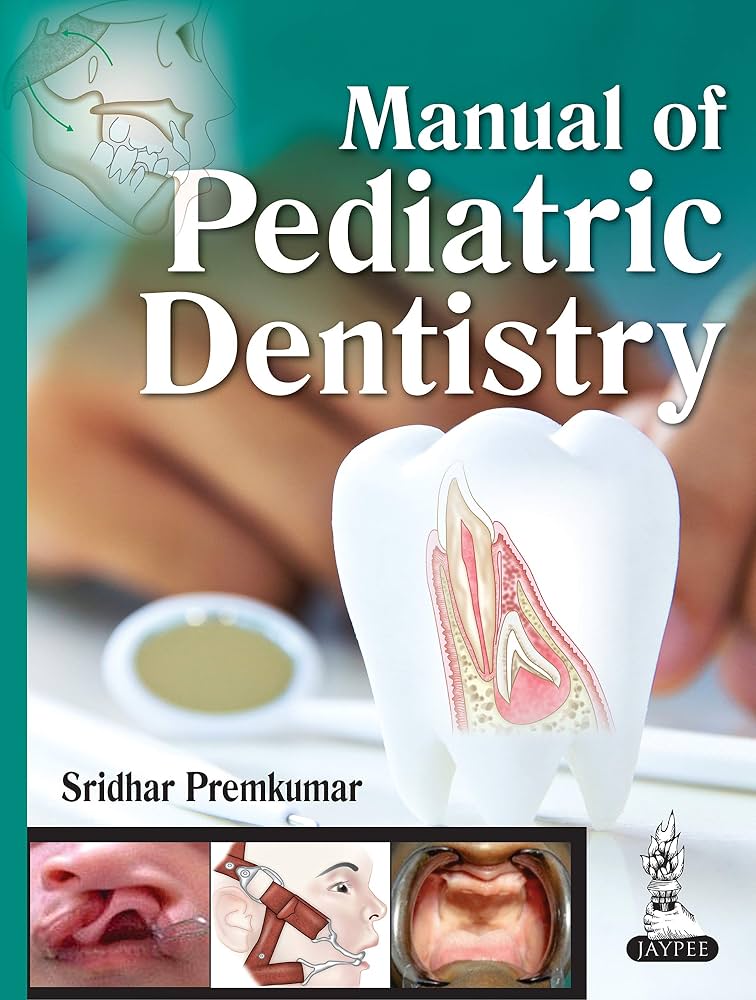
Pediatric dentistry demands a different approach, focusing on behavior management and the unique anatomy of primary and mixed dentition. The American Academy of Pediatric Dentistry (AAPD) publishes the Reference Manual of Pediatric Dentistry, which serves as a critical resource for evidence-based policies and definitions specific to children’s oral health.
Oral surgery and pathology texts must cover complex surgical interventions and diagnostic criteria. Contemporary Oral and Maxillofacial Surgery by Hupp is widely used for its comprehensive coverage of surgical techniques and patient management. These specialty references ensure that dental professionals are prepared for the diverse challenges of modern practice.
![By William R. Proffit DDS PhD Contemporary Orthodontics, 5e (5th Fifth Edition) [Hardcover]](https://m.media-amazon.com/images/I/51D3zJnQ6cL._AC_UY500_QL65_.jpg)

As an Amazon Associate, we may earn from qualifying purchases.
How to evaluate dental resources
Best Dentistry Textbooks for Students and Professionals works best as a clear sequence: define the constraint, compare the realistic options, test the tradeoff, and choose the path with the fewest hidden costs. That order keeps the advice usable instead of decorative. After each step, pause long enough to check whether the recommendation still fits the reader's actual situation. If it depends on perfect timing, unusual access, or a best-case budget, include a simpler fallback.

Frequently asked: what to check next
Are newer textbook editions worth the cost?
Dental medicine evolves rapidly, particularly in digital dentistry and biomaterials. While core anatomical and pathological concepts remain stable, guidelines for infection control and preventive care shift regularly. The American Dental Association updates clinical practice guidelines periodically, which often necessitates textbook revisions to stay compliant with current standards [src-1].
For foundational subjects like histology or basic sciences, a previous edition is usually sufficient and significantly cheaper. However, for clinical decision-making resources, prioritize the latest edition to ensure your study aligns with current evidence-based practices [src-4].
Should I buy digital or print versions?
Print textbooks offer better retention for many students due to reduced screen fatigue during long study sessions. They are also more durable in clinical rotations where laptops are impractical. Digital versions, however, provide superior searchability and instant updates, which is valuable for quick reference during patient care.
Many publishers now bundle print access with digital platforms, allowing you to highlight and annotate digitally while retaining the physical book. If your budget allows, a hybrid approach often provides the best balance of convenience and cost [src-2].
How can students afford expensive dental resources?
Dental textbooks are a major expense, but there are practical ways to reduce costs. Buying used copies from previous cohorts or reputable online marketplaces can save 50-70% compared to new retail prices. Additionally, many universities provide access to institutional library subscriptions for digital platforms like ClinicalKey or DentistrySource [src-3].
Consider purchasing e-books first to test the content before committing to a hardcover. Always verify the edition year before buying used to ensure you are not missing critical updates in clinical protocols or regulatory standards [src-5].
No comments yet. Be the first to share your thoughts!