
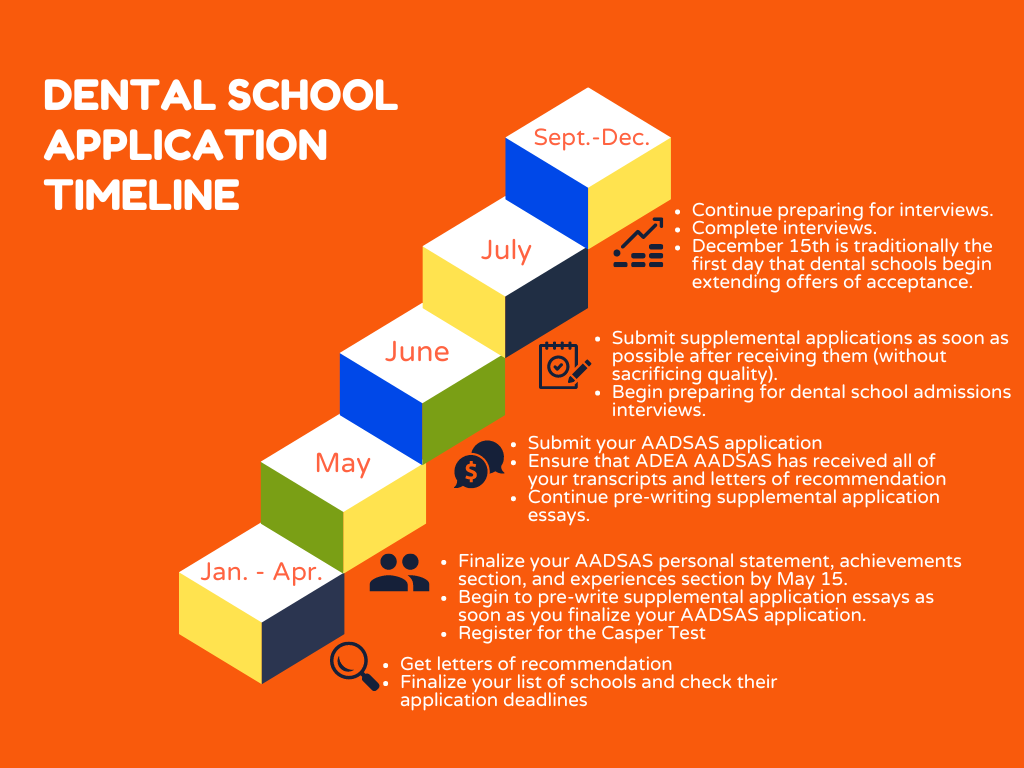
Plan your prerequisite coursework
Your first step toward dental school is mapping out the classes you need to complete before applying. While every program sets its own rules, most US dental schools follow a similar baseline. You will need to finish specific science and non-science courses, usually with labs, to be eligible for the Dental Admission Test (DAT) and your application.
Start with the core sciences. Nearly every school requires two semesters of biology with lab, two semesters of general chemistry with lab, and two semesters of organic chemistry with lab. Physics is also a standard requirement, typically two semesters with lab. These courses form the foundation for the DAT and your first year of dental school, so aim for strong grades here.
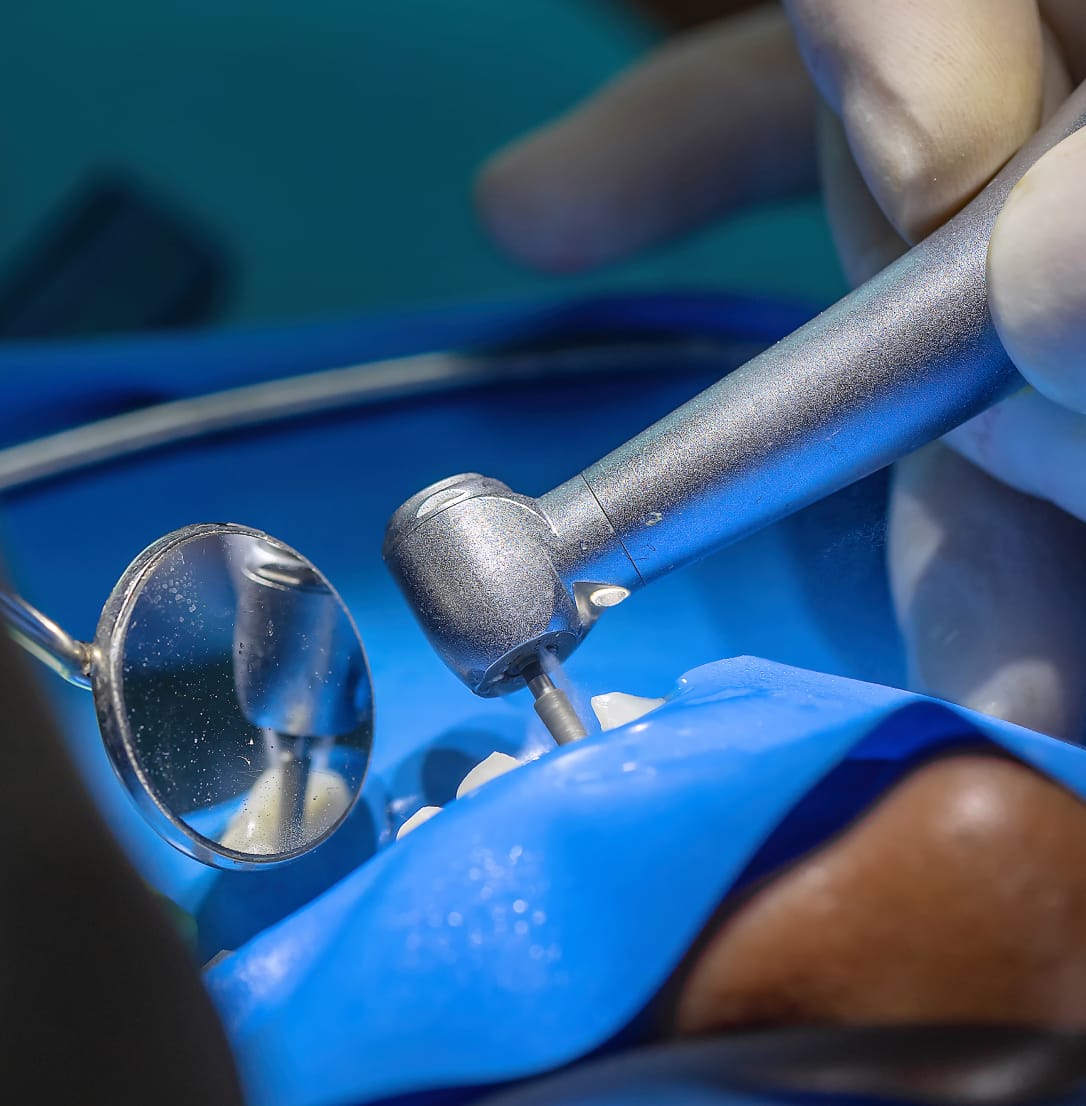
Beyond the sciences, you must complete non-science requirements. Most programs ask for one year of English or composition. Some schools also require biochemistry, anatomy, or physiology, often at the upper-division level. These additional courses can make your application more competitive, but they are not universal. You must check each target school’s specific list to avoid missing a unique requirement.
Don’t assume your undergraduate major aligns perfectly with dental prerequisites. A biology major might already cover most requirements, but a non-science major will need to take these classes as electives or post-baccalaureate courses. Plan your schedule early to ensure you can fit these labs and lectures into your timeline without delaying graduation.
Prepare for the DAT exam
The Dental Admission Test (DAT) is the primary academic filter for dental school admissions. Unlike GPA, which reflects four years of undergraduate consistency, the DAT measures your readiness for the rigors of dental school in a single, high-stakes sitting. A strong score demonstrates that you can handle the volume of scientific content and the spatial reasoning required in clinical practice.
Understand the test structure
The DAT is divided into four sections, each testing a different facet of your academic foundation. The Natural Sciences section is the heaviest, covering Biology, General Chemistry, and Organic Chemistry. It accounts for a significant portion of your score, so allocating the majority of your study time here is essential. The Perceptual Ability Test (PAT) follows, requiring you to interpret two-dimensional shapes in three dimensions. This section is unique to dental admissions and often requires specific practice strategies distinct from standard academic study.
Build a study timeline
Treat DAT preparation like a part-time job. Most successful applicants dedicate three to four months of consistent study, aiming for two to four hours per day. Start with a diagnostic test to identify your weak spots in chemistry or biology. Then, rotate through content review and practice questions. The key is spacing out your study sessions to avoid burnout while maintaining retention.
Focus on practice, not just content
Reading textbooks is not enough. You must take full-length, timed practice exams under realistic conditions. These simulations build the stamina needed for the five-hour testing window and help you identify pacing issues. Review every incorrect answer to understand why you missed it, whether it was a knowledge gap or a misreading of the question. This iterative process of testing and reviewing is what drives score improvement.
Register early and choose your date
Schedule your exam date at least two months in advance. This creates a firm deadline that keeps your study routine on track. Avoid scheduling the test during finals week or when you have other major commitments. Once registered, stick to your plan. The DAT score is valid for two years, but admissions committees prefer recent results that reflect your current academic standing.
Build clinical and shadowing experience
Admissions committees look for evidence that you understand the daily reality of dentistry. Shadowing lets you observe patient interactions, chairside assistance, and the pace of a practice. Clinical observation goes further by showing you how to handle instruments and manage patient anxiety.
Start by contacting local private practices and community clinics. Ask to shadow for a few hours a week. Most dentists are willing to accommodate pre-dental students if you arrive prepared and respectful of their schedule. Document every hour, noting the type of procedures you observed and any patient demographics you encountered.
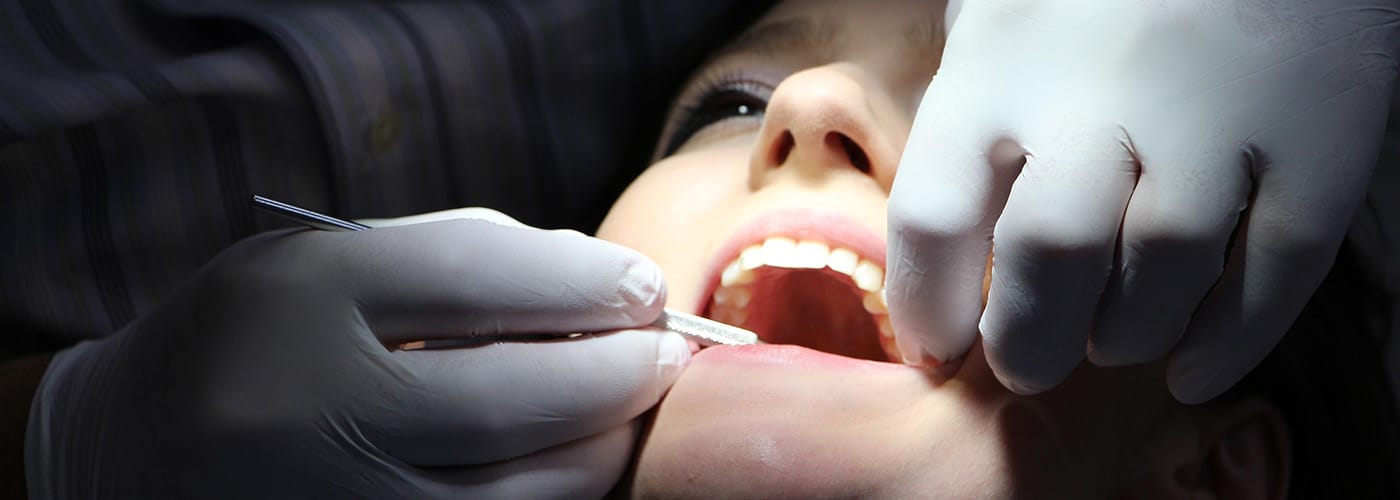
Search for dentists in your area who accept students. Reach out via email or phone to introduce yourself and request shadowing opportunities. Be specific about your availability and what you hope to learn.
Visit the clinic regularly. Take notes on patient communication, sterilization protocols, and office workflow. Focus on the human side of dentistry, not just the technical procedures.
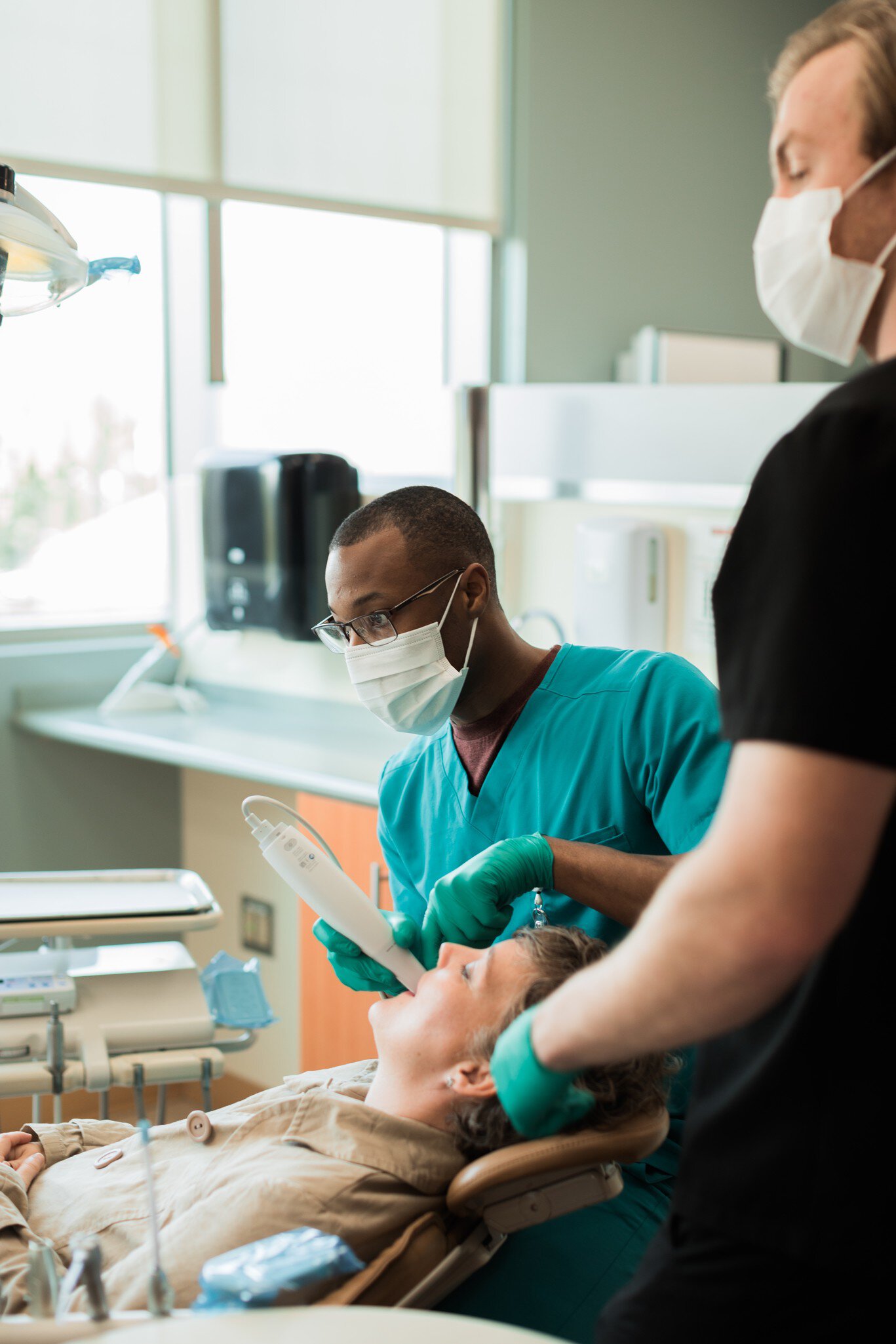
Dentistry requires steady hands. Practice activities like pottery, painting, or playing a musical instrument. These hobbies build the fine motor skills that translate directly to chairside work.
Keep a detailed log of your shadowing and clinical hours. Include dates, locations, and the names of the dentists you observed. This data will be essential when you complete your application.
Aim for at least 100 hours of shadowing across different settings. This volume demonstrates commitment and gives you a broad perspective on the profession. Combine this with hands-on clinical experience, such as volunteering at a free dental clinic, to show you can work directly with patients.
Submit your ADEA AADSAS application
The American Dental Education Association’s AADSAS portal is the centralized engine for most dental school admissions. Submitting your application here is the moment your academic record and personal narrative become official. Treat this step as the final assembly of your candidacy, where every component must align before the portal locks.
Build the application core
Start by verifying your personal information and uploading your official transcripts. AADSAS requires transcripts from every institution where you earned college credit, not just your undergraduate university. Missing transcripts are the most common cause of application delays, so request them early. Once uploaded, the service verifies and grades them, which can take several weeks during peak season.
Draft your personal statement
Your personal statement is your primary voice in the application. It should explain why you want to practice dentistry and what unique perspective you bring to the field. Avoid generic lists of achievements; instead, focus on a specific experience that shaped your commitment to patient care. Keep the tone professional but personal, aiming for 5,000 characters or fewer.
Secure letters of recommendation
Dental schools typically require a committee letter from your undergraduate institution or three individual letters from faculty members. Choose recommenders who know your clinical aptitude and work ethic well. Provide them with your CV and a deadline at least three weeks before your submission date. A strong letter carries more weight than a generic one from a famous professor who barely knows you.
Finalize and submit
Before hitting submit, review every section for consistency. Ensure your activities list accurately reflects your volunteer and shadowing hours. Pay attention to the application fee, which is non-refundable. Once submitted, you can add schools and update information, but the initial submission date often influences how early schools review your file.
-
Transcripts verified and uploaded
-
Personal statement proofread and saved
-
Letters of recommendation requested
-
Activities list completed
-
Application fee paid
-
Transcripts uploaded and verified
-
Personal statement finalized
-
Letters of recommendation requested
-
Activities list completed
-
Application fee paid
Common mistakes to avoid
Meeting dental school requirements is a marathon, not a sprint. Many applicants sabotage their chances with preventable errors that delay or derail their admission. The most frequent pitfall is treating prerequisites as a checklist rather than a foundation. Schools like the University of Maryland and VCU require specific credit hours and lab components; missing a single lab or rushing through organic chemistry can leave your application incomplete.
Late applications are another critical error. The Dental Admission Application Service (AADSAS) opens in early June, but top programs fill their seats quickly. Submitting your application on the opening day signals genuine interest and ensures your transcripts are reviewed when admissions committees are most active. Waiting until August often means fewer interview slots remain.
Finally, ignoring individual school variations is a costly mistake. While the American Dental Education Association provides general guidelines, specific requirements for English composition or upper-level biology vary by institution. Always verify the exact prerequisites for every school on your list. A generic approach rarely works when admissions committees look for candidates who have done their homework.
No comments yet. Be the first to share your thoughts!