

The Evolving Dental Practice
The modern dental practice bears little resemblance to its predecessors. It’s no longer simply about chairs, drills, and checkups. Today’s patients expect a seamless, convenient experience – online scheduling, easy access to their records, and clear communication. They’ve become consumers of healthcare, and their expectations are high.
This shift in patient demand comes alongside significant pressures for dentists. Rising supply costs, increasing insurance complexities, and a nationwide staffing shortage are creating a challenging environment. Competition is also fierce, with corporate dental groups expanding their reach. Simply maintaining the status quo isn’t enough.
These factors aren’t about needing "better’ practice management; they necessitate smarter practice management. Technology isn’t just a convenience—it’s a necessity for survival and growth. It"s about working more efficiently, delivering better patient care, and protecting the financial health of the practice.
Dentists are increasingly looking for tools to automate administrative tasks, streamline workflows, and improve patient engagement. The practices that embrace these changes will be best positioned to thrive in the years ahead. Ignoring these trends risks being left behind, struggling to attract and retain patients in a competitive market.
Patient Communication & Scheduling: Beyond the Phone
The days of relying solely on phone calls for scheduling are fading fast. Patients want options, and they want them now. Online appointment booking systems are becoming standard, allowing patients to self-schedule at their convenience, 24/7. The key here is integration. These systems need to seamlessly connect with your existing practice management software to avoid double-booking and ensure accurate record-keeping.
Automated appointment reminders are equally important. SMS text messages have proven remarkably effective, boasting open rates far exceeding those of email. Email reminders still have a place, and voice calls can be used strategically, but text messaging is the workhorse of modern appointment confirmation. Reducing no-shows directly impacts revenue and improves practice efficiency.
Patient portals are another crucial component. These secure online platforms allow patients to access their records, request appointments, communicate with the practice, and even make payments. This enhances patient engagement and builds trust. A well-designed portal also reduces the burden on staff, freeing them up to focus on patient care.
I've been tracking the adoption of two-way texting—the ability for patients to respond to reminders and ask questions directly through text—and it’s growing quickly. Patients appreciate the convenience, and it allows practices to address minor concerns before they escalate into missed appointments or negative reviews. The faster you can respond to a patient, the better.
- Online Appointment Booking: Integrates with PMS for real-time availability.
- Automated Reminders: SMS, email, and voice options.
- Patient Portals: Secure access to records and communication tools.
Digital Charting & Records Management
Paper charts are becoming a relic of the past. Digital charting and electronic health records (EHR) offer significant advantages in terms of accuracy, accessibility, and security. Information is readily available at the point of care, reducing errors and improving treatment planning. Plus, searching for a specific note is far easier in a digital system.
HIPAA compliance is paramount when dealing with patient data. Digital systems offer robust security features, including encryption and access controls, to help protect sensitive information. Regular data backups are also essential, protecting your practice from data loss due to hardware failure or cyberattacks. A disaster recovery plan is no longer optional—it’s a necessity.
Intraoral cameras, digital X-rays, and 3D scanning technologies have revolutionized diagnostics and treatment planning. These tools provide detailed visualizations, improving communication with patients and allowing for more precise procedures. The ability to instantly share images and scans with specialists and labs streamlines workflows and improves collaboration.
Interoperability is a key consideration when choosing an EHR system. Can the system easily exchange data with other systems, such as labs, imaging centers, and hospitals? Seamless data sharing is crucial for coordinated care. I’ve seen practices struggle when their systems can’t communicate effectively, leading to delays and errors. Cloud-based systems often offer better interoperability than server-based solutions.
- Paper vs. Digital: Improved accuracy, accessibility, and security.
- HIPAA Compliance: Encryption, access controls, and regular backups.
- Advanced Imaging: Intraoral cameras, digital X-rays, and 3D scanning.
EHR System Comparison: Cloud-Based vs. Server-Based
| Cost | Security | Accessibility | Maintenance | Scalability |
|---|---|---|---|---|
| Generally Lower Upfront | Dependent on Provider | Excellent - Anywhere with Internet | Provider Responsibility | Easily Scalable |
| Higher Initial Investment | Greater Control, Potential for Enhanced Security | Limited to Network | Practice Responsibility | Scalability Requires Investment |
| Predictable Monthly Fees | Relies on Provider Security Measures | Good - Requires VPN for Remote Access | Shared Responsibility | Moderate - Can be expanded with hardware |
| One-Time License & Support Costs | Practice Manages Security Protocols | Restricted to Physical Location | Requires Dedicated IT Staff | Challenging - Requires significant infrastructure upgrades |
Qualitative comparison based on the article research brief. Confirm current product details in the official docs before making implementation choices.
Financial Management & Insurance Claims
Managing the financial aspects of a dental practice can be complex. Technology can significantly simplify this process. Automated billing systems generate accurate invoices and send them directly to patients. Claim submission can also be automated, reducing errors and speeding up reimbursement. Electronic payment processing provides a convenient option for patients and improves cash flow.
Tracking key performance indicators (KPIs) is essential for understanding the financial health of your practice. Tools that generate financial reports—profit and loss statements, balance sheets, and cash flow projections—provide valuable insights into your practice’s performance. Knowing your numbers allows you to make informed decisions and identify areas for improvement.
Insurance verification and denial management can be particularly time-consuming. Some software solutions automate the verification process, ensuring that patients are covered before treatment begins. Tools that help with denial management can identify the root causes of denials and streamline the appeals process.
Reducing errors and accelerating payments are the primary benefits of these technologies. A streamlined financial process frees up staff time and improves cash flow. While the specifics vary, most systems aim to minimize manual data entry and automate repetitive tasks. I wish there was readily available data on the average time it takes to resolve a denied claim, as that would be a strong metric for evaluating these tools.
Practice Management Software: The Central Hub
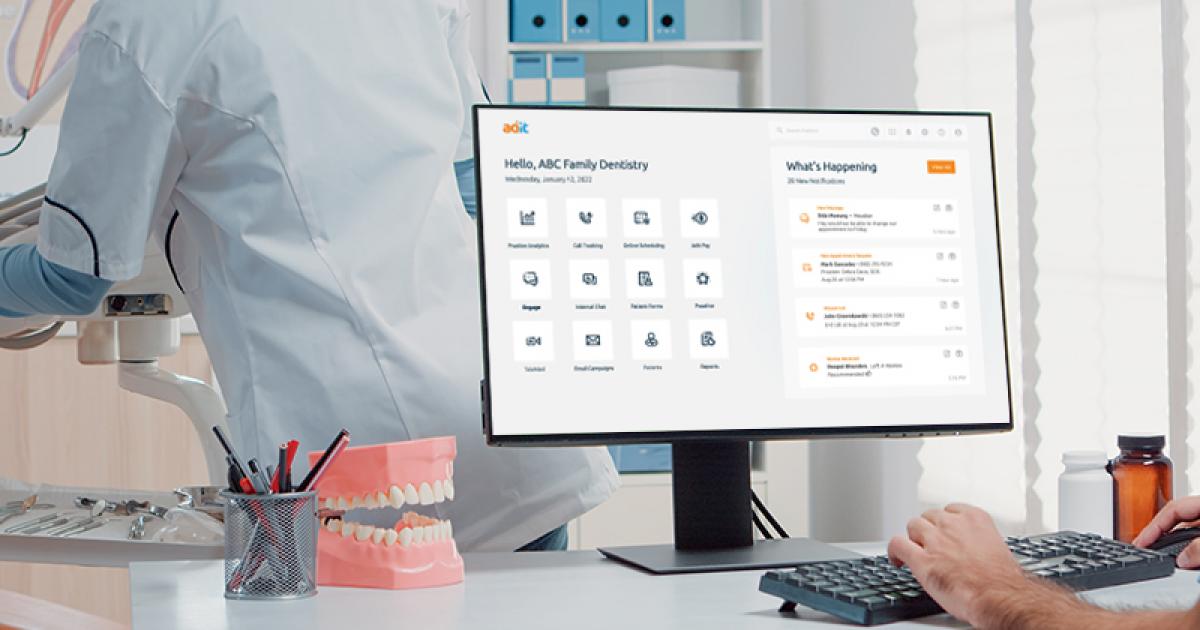
Practice management software (PMS) is the linchpin of a modern dental practice. It serves as the central hub for all your technology, integrating appointment scheduling, patient records, billing, reporting, and inventory management into a single, streamlined system. A well-chosen PMS can significantly improve efficiency and reduce administrative burden.
The key to success is choosing a PMS that integrates well with your other systems—your digital charting software, your imaging equipment, and your insurance clearinghouse. Seamless integration ensures that data flows smoothly between systems, eliminating the need for manual data entry and reducing the risk of errors. Look for systems that offer open APIs for greater flexibility.
Mobile accessibility is also becoming increasingly important. Dentists and staff need to be able to access patient information and manage their schedules from anywhere, using a smartphone or tablet. Cloud-based PMS solutions typically offer robust mobile apps, providing convenient access to critical data.
While I’m hesitant to recommend specific brands—the best PMS for your practice will depend on your individual needs and budget—focus on systems that are scalable, user-friendly, and backed by reliable customer support. Don't underestimate the importance of training. A system that's difficult to learn will quickly become a source of frustration.
Emerging Technologies: AI & Automation
Artificial intelligence (AI) and automation are poised to transform the dental industry. AI-powered diagnostic tools can assist dentists in identifying potential problems, such as cavities and periodontal disease, with greater accuracy and speed. Automated treatment planning software can generate optimal treatment plans based on patient data and clinical guidelines.
While robotic-assisted surgery is still in its early stages, it holds promise for improving precision and minimizing invasiveness in certain procedures. AI can also automate administrative tasks, such as appointment scheduling and insurance claim processing, freeing up staff time to focus on patient care.
The potential benefits are significant: improved accuracy, increased efficiency, and better patient outcomes. However, it's important to be realistic about the current state of AI in dentistry. Many of these technologies are still under development and require further validation. Cost and training are also significant considerations.
Ethical considerations are also paramount. Ensuring fairness, transparency, and accountability in AI-driven decision-making is crucial. It's important to remember that AI is a tool to assist dentists, not replace them. The human element—empathy, communication, and clinical judgment—remains essential.
Security & Compliance: Protecting Patient Data
Data security and HIPAA compliance are non-negotiable. Dental practices handle sensitive patient information, making them attractive targets for cyberattacks and data breaches. The consequences of a breach can be devastating, including financial penalties, reputational damage, and loss of patient trust.
Strong passwords, encryption, and regular backups are essential security measures. Implement multi-factor authentication to add an extra layer of protection. Regularly update your software and operating systems to patch security vulnerabilities. Employee training is also crucial—staff members need to be aware of the risks and how to protect patient data.
Business associate agreements (BAAs) are required with all third-party vendors who have access to protected health information (PHI). Ensure that your vendors have robust security measures in place and that they are willing to sign a BAA. Regularly review your security practices and conduct vulnerability assessments.
I've read about several dental practices that have been hit with ransomware attacks, where hackers encrypt their data and demand a ransom for its release. These attacks can disrupt operations for weeks or even months. Proactive security measures are the best defense. Don't wait until you're a victim to take action.


No comments yet. Be the first to share your thoughts!