


Dentistry career paths overview
A career in dentistry extends far beyond the dentist’s chair. While clinical practice remains the most visible route, the profession offers distinct pathways in academia, research, and non-clinical practice management. Understanding these options helps prospective students align their education with their long-term professional goals.
Clinical roles form the backbone of oral healthcare. Dentists diagnose and treat conditions, while dental hygienists focus on preventive care and patient education. Dental assistants and lab technicians provide essential support, ensuring smooth operations and high-quality prosthetics. These positions require specific certifications or degrees but offer direct patient interaction and immediate community impact.
Academic and research careers serve the profession’s future. Faculty members teach the next generation of clinicians and conduct studies that advance dental science. This path typically requires advanced degrees and a commitment to scholarly publication. It appeals to those who enjoy teaching, mentoring, and contributing to the broader knowledge base of oral health.
Non-clinical roles leverage dental expertise in business, policy, and technology. Practice managers handle operations, finance, and staffing, while public health professionals address community-wide oral health initiatives. These positions often require less direct patient contact but allow professionals to influence the industry at a systemic level.
The American Dental Association outlines these diverse pathways, emphasizing that success in dentistry depends on matching one’s skills and interests to the right role. Whether choosing direct patient care or behind-the-scenes management, each path contributes to the overall health of the community.
Dental School Requirements and Timelines
Becoming a dentist requires a structured educational path that typically spans eight years: four years of undergraduate study followed by four years of professional dental school. The journey begins with completing prerequisite science courses, such as biology and chemistry, while maintaining a competitive GPA. Prospective students must also take the Dental Admission Test (DAT) to demonstrate their academic readiness.
DDS vs. DMD: Choosing Your Degree
There is no difference in the education, licensing, or scope of practice between a Doctor of Dental Surgery (DDS) and a Doctor of Dental Medicine (DMD) degree. Both programs cover the same curriculum and prepare students for the same clinical work. The distinction is purely historical and institutional. However, the field is evolving, and modern programs are increasingly integrating AI literacy into their core coursework to prepare graduates for digital diagnostics and practice management.
| Feature | DDS Program | DMD Program |
|---|---|---|
| Degree Title | Doctor of Dental Surgery | Doctor of Dental Medicine |
| Curriculum | Identical | Identical |
| Clinical Training | Identical | Identical |
| AI Integration | Growing focus | Growing focus |
The Four-Year Timeline
The first two years of dental school focus on foundational sciences, including anatomy, physiology, and pathology. Students spend significant time in laboratories learning to simulate procedures on mannequins. The final two years shift to clinical rotations, where students treat patients under the supervision of licensed dentists. This hands-on experience is critical for developing the manual dexterity and diagnostic skills required for independent practice.
Preparing for the DAT
The Dental Admission Test (DAT) is a standardized exam that assesses natural sciences, perceptual ability, reading comprehension, and quantitative reasoning. Most dental schools require a competitive score, typically above the 50th percentile, for admission. Preparation often involves several months of dedicated study, as the exam is a significant hurdle in the application process.
Financial and Time Commitment
Dental school is a substantial investment of time and money. Tuition can exceed $100,000 for the entire program, leading many students to graduate with significant debt. However, the career offers strong earning potential and diverse opportunities, from private practice to academic dentistry. Understanding the full timeline and financial implications is essential for anyone considering this path.
Clinical roles and specialization options
Dentistry offers a clear ladder of clinical roles, starting with general practice and branching into advanced specialties. General dentists serve as the primary care providers for oral health, handling routine cleanings, fillings, and complex restorative work. This role requires a broad skill set and often involves managing long-term patient relationships, making it the most common entry point into the profession.
For those seeking deeper technical focus, specialization requires an additional two to six years of residency training. Orthodontics focuses on aligning teeth and jaws, while oral and maxillofacial surgery addresses complex extractions and reconstructive procedures. Periodontists specialize in gum health, and endodontists concentrate on root canal therapy. These paths allow clinicians to master specific areas of diagnosis and treatment.
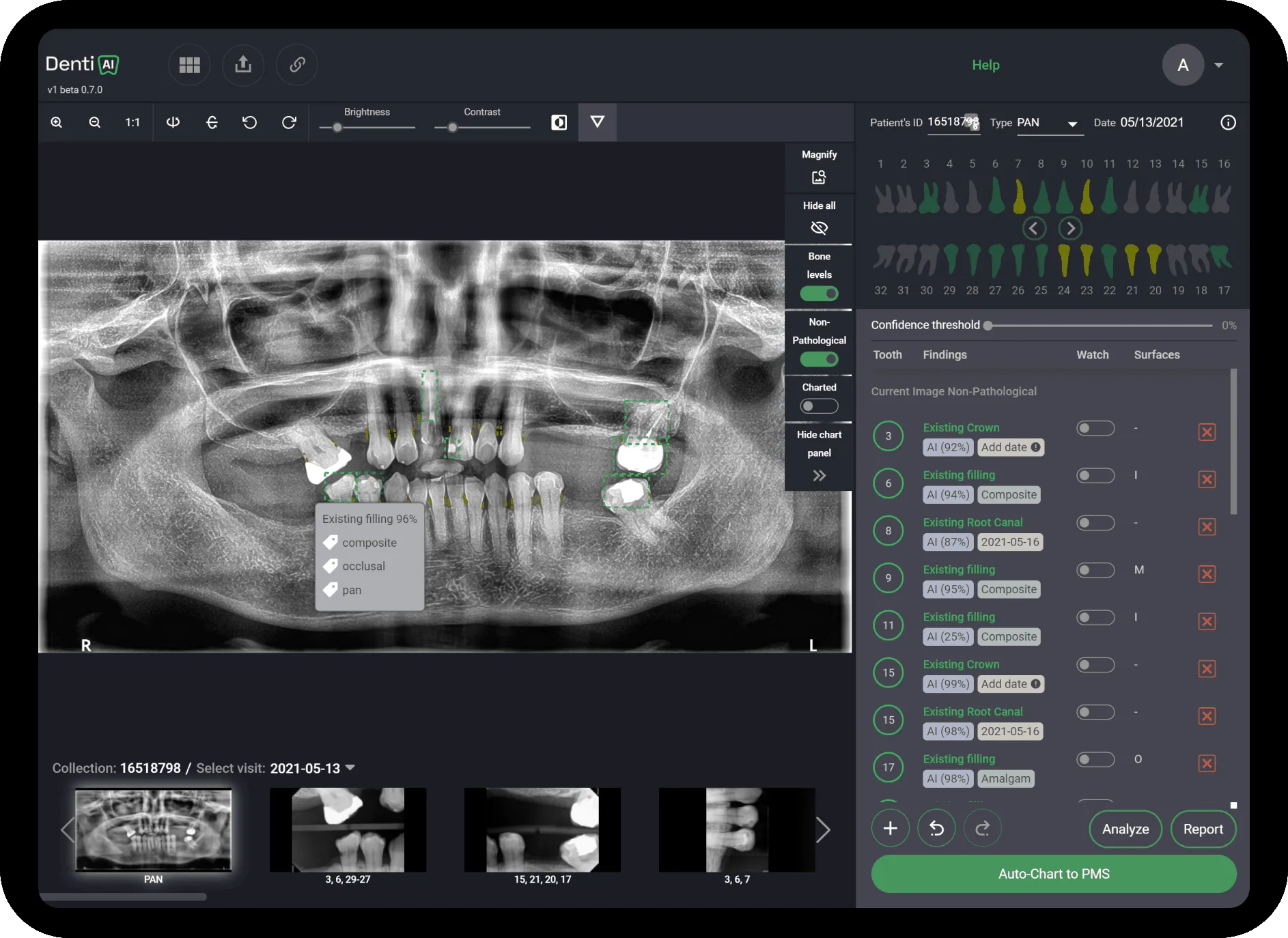
The modern dental landscape is shifting toward tech-enabled practice, impacting all clinical roles. Digital scanners, AI-assisted diagnostics, and 3D imaging are becoming standard tools for both generalists and specialists. These technologies improve diagnostic accuracy and treatment planning, requiring clinicians to stay updated on software proficiency alongside clinical skills. As the organization notes, the integration of digital workflows is reshaping how care is delivered and documented.
For new graduates entering these roles, having the right diagnostic and record-keeping tools is essential. Modern practices rely on high-quality imaging and efficient software to manage patient data and treatment plans effectively.


As an Amazon Associate, we may earn from qualifying purchases.
Non-clinical and academic careers
A dental degree opens doors beyond the operatory. Many practitioners leverage their clinical expertise in research, education, insurance, and public health. These roles offer diverse ways to impact patient care and the profession without the physical demands of full-time chairside work.
Research and Academia
Academic dentistry combines teaching with research. Faculty members at dental schools train the next generation of clinicians while advancing the field through scientific inquiry. The American Dental Education Association (ADEA) highlights the growing role of technology in these programs, including AI-driven diagnostics that reshape how students learn and practice.
Insurance and Utilization Review
Dental insurance companies hire clinicians for utilization review and case approval. In this role, you evaluate treatment plans for accuracy and necessity. Your clinical background allows you to identify potential issues that non-clinical reviewers might miss, ensuring patients receive appropriate care.
Public Health
Public health dentistry focuses on community-wide oral health initiatives. Professionals in this sector work with government agencies or non-profits to address disparities in access to care. They design programs for underserved populations, manage preventive services, and advocate for policy changes that improve oral health outcomes on a large scale.
How AI Is Reshaping Dental Careers
Artificial intelligence is no longer a futuristic concept in dentistry; it is actively changing daily workflows for dentists, hygienists, and assistants. From automated cavity detection in radiographs to predictive analytics for patient risk, AI tools are shifting the focus from manual interpretation to technology-assisted decision-making. This transition requires modern dental professionals to develop new competencies, particularly in digital imaging and data privacy.
For dental hygienists, AI assists in identifying early signs of periodontal disease with greater accuracy than the human eye alone. Dental assistants are increasingly responsible for managing digital workflows and ensuring patient data integrity within AI-integrated practice management systems. As the association notes, these evolving roles demand a comfort level with software that complements clinical skills rather than replaces them.
To remain competitive, dental students and current practitioners should prioritize training in AI diagnostics and digital record-keeping. Understanding how to interpret AI-generated insights allows clinicians to spend less time on administrative data entry and more time on patient care. This shift not only improves diagnostic precision but also redefines the value proposition of each role within the modern practice.
-
Digital imaging and radiography interpretation
-
Data privacy and HIPAA compliance for AI tools
-
Proficiency with AI-assisted diagnostic software
Frequently asked questions about dentistry careers
Navigating the path from dental school to specialization involves specific educational timelines and evolving professional landscapes. Below are answers to common questions regarding entry requirements, career longevity, and the impact of modern diagnostics on job security.
No comments yet. Be the first to share your thoughts!