

Overview of Dentistry Career Paths
The dental profession extends far beyond the dentist in the chair. While clinical roles like dentists and hygienists receive the most attention, a complete practice relies on a structured hierarchy of support staff. Understanding these distinct career paths helps clarify the educational timelines and daily responsibilities that define each position.
Clinical roles are typically divided by the level of patient interaction and technical procedure. Dentists provide comprehensive care, including diagnosis and complex treatments. Dental hygienists focus on preventive care, such as cleanings and oral health education. Dental assistants support the dentist during procedures and manage patient preparation. These roles require specific degrees or certifications and are regulated by state boards.
Non-clinical support roles ensure the practice operates efficiently. Office managers handle scheduling, billing, and staff coordination. Dental lab technicians fabricate crowns, bridges, and dentures based on dentist prescriptions. While these roles do not involve direct patient treatment, they are essential to delivering high-quality care.
The entry points into these careers vary significantly. Dental assisting often requires a two-year associate degree or a certificate program. Dental hygiene typically demands a four-year bachelor’s degree. Dentistry requires a doctoral degree, followed by residency for specialists. This diversity allows individuals to enter the field at different stages of their education and career goals.
According to the American Dental Association, the field includes a wide range of opportunities, from direct patient care to laboratory and administrative support. This structure ensures that every practice can function effectively, regardless of its size or specialty.
Dental School Requirements and Admission
Becoming a dentist requires completing a rigorous academic path that begins with undergraduate studies and culminates in a professional degree. The two degrees awarded by dental schools in the United States are the Doctor of Dental Surgery (DDS) and the Doctor of Dental Medicine (DMD). While the titles differ, the curriculum, licensing requirements, and scope of practice are identical. Both programs typically span four years and prepare graduates for either general practice or specialized fields like orthodontics and oral surgery.
Academic Prerequisites
Before applying to dental school, candidates must complete a bachelor’s degree. While many applicants major in biology, chemistry, or other sciences, dental schools generally accept students from any disciplined background as long as specific prerequisite courses are completed. These standard requirements usually include:
- One year of biology with laboratory component
- One year of general chemistry with laboratory component
- One year of organic chemistry with laboratory component
- One year of physics with laboratory component
- One semester of biochemistry
- One year of English or communication
Beyond coursework, admission committees look for demonstrated commitment to the field. This is typically proven through hundreds of hours of dental shadowing, research experience, and strong letters of recommendation from dentists or professors.
The Dental Admission Test (DAT)
The Dental Admission Test (DAT) is a standardized exam required by nearly all accredited dental schools. It assesses natural science proficiency, perceptual ability, reading comprehension, and quantitative reasoning. A competitive DAT score is often the deciding factor in admissions, as it provides a standardized metric to compare applicants from diverse undergraduate institutions.
Pre-Dental Checklist
Use this checklist to ensure you are on track for dental school applications:
- Complete bachelor’s degree with required science prerequisites
- Maintain a competitive GPA (typically 3.5 or higher)
- Accumulate 100+ hours of dental shadowing experience
- Prepare for and take the DAT
- Secure letters of recommendation from science professors and dentists
- Draft a personal statement highlighting your motivation for dentistry
General dentistry and private practice
For the majority of DDS and DMD graduates, general dentistry is the entry point into the profession. According to the American Student Dental Association (ASDA), this path accounts for the largest share of new graduates, offering a blend of clinical autonomy and business management. While some graduates move directly into specialized residencies or academic roles, most begin their careers in private practice settings.
The landscape of general dentistry has shifted significantly over the last decade. While traditional private practices remain the most common model, the rise of Dental Service Organizations (DSOs) and public health initiatives has diversified the options available to new dentists. Understanding the trade-offs between these models is essential for choosing a career that aligns with your financial goals and lifestyle preferences.
Private Practice vs. DSO vs. Public Health
The choice of employment structure dictates your daily workflow, income potential, and administrative burden. Below is a comparison of the three primary employment models for general dentists.
| Model | Clinical Autonomy | Income Potential | Admin Burden |
|---|---|---|---|
| Private Practice | High | Variable (High ceiling) | High |
| DSO | Moderate | Stable (Salary/Production) | Low |
| Public Health | Low | Moderate | Low |
Private practice offers the highest degree of control over patient care, office culture, and scheduling. However, it requires significant upfront investment and ongoing management of staff, supplies, and insurance billing. Many new graduates partner with experienced mentors or join established groups to share these costs and risks.
Dental Service Organizations (DSOs) have grown to represent a substantial portion of dental practices in the United States. In this model, a corporate entity handles the business operations—marketing, payroll, and procurement—while the dentist focuses on clinical care. This structure provides stability and reduces administrative stress, though it may limit clinical autonomy regarding treatment plans and office protocols.
Public health dentistry serves underserved populations through state, county, or federal programs. These roles often offer competitive salaries, loan repayment assistance, and predictable hours. While clinical autonomy is lower due to standardized protocols and high patient volumes, the work provides a strong sense of community impact and job security.
Dental specialties and advanced training
After completing a four-year dental school program, most graduates enter general practice. However, those seeking to specialize must pursue additional residency training, typically lasting two to six years depending on the field. These advanced programs provide intensive, hands-on experience in a specific area of oral health.
The American Dental Association recognizes several distinct specialties. Each path requires rigorous clinical hours and board examinations to certify proficiency. Below are the most common routes for dentists looking to narrow their focus.
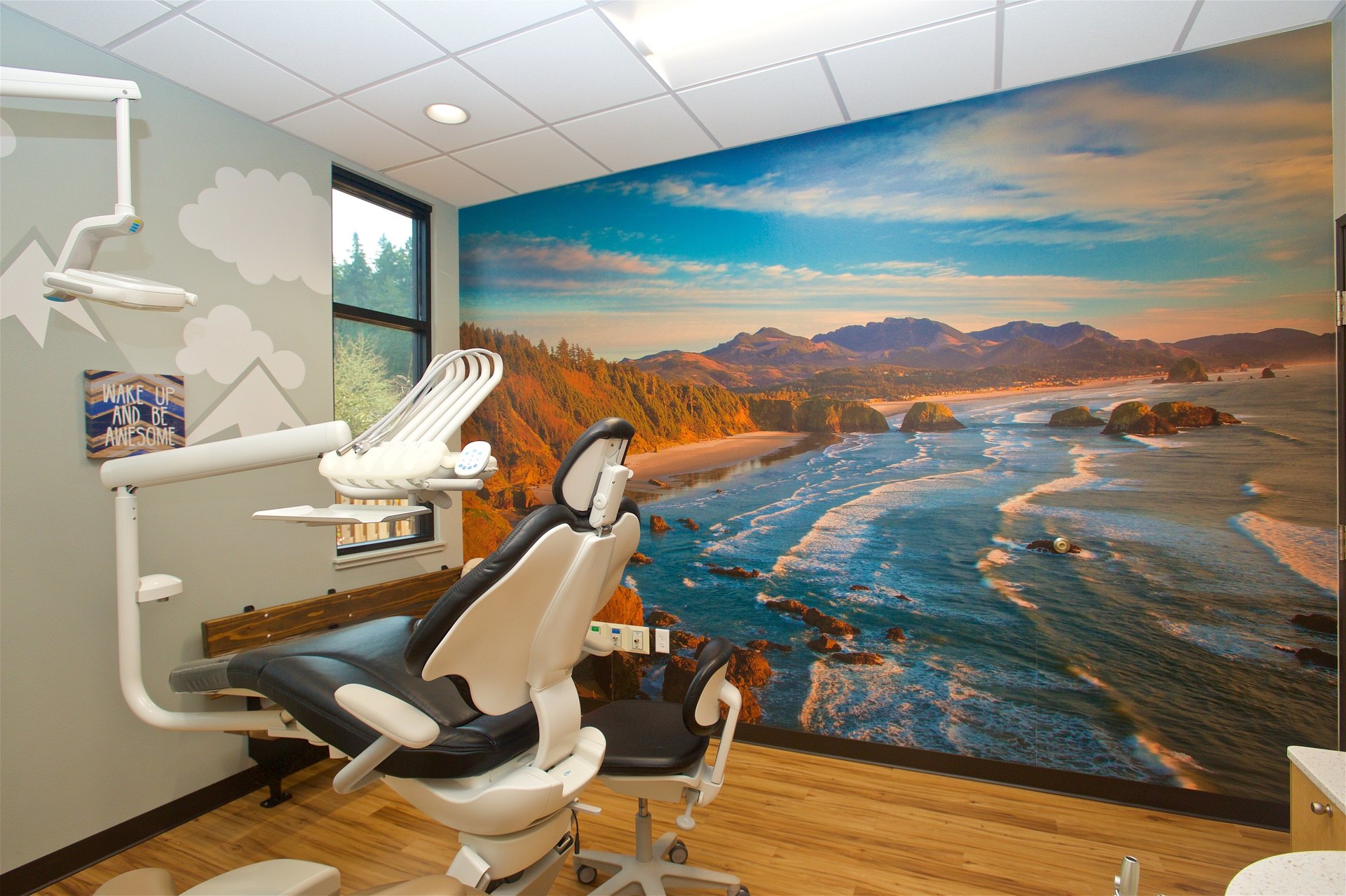
Orthodontists focus on aligning teeth and jaws. This two-to-three year residency involves diagnosing, preventing, and treating dental and facial irregularities. Specialists use braces, clear aligners, and other appliances to correct malocclusions and improve bite function.

This specialty deals with surgical procedures in the mouth, jaw, and face. Residency programs often last four to six years and may include a medical degree. Surgeons perform tooth extractions, implant placements, corrective jaw surgery, and treatment of facial injuries or pathologies.
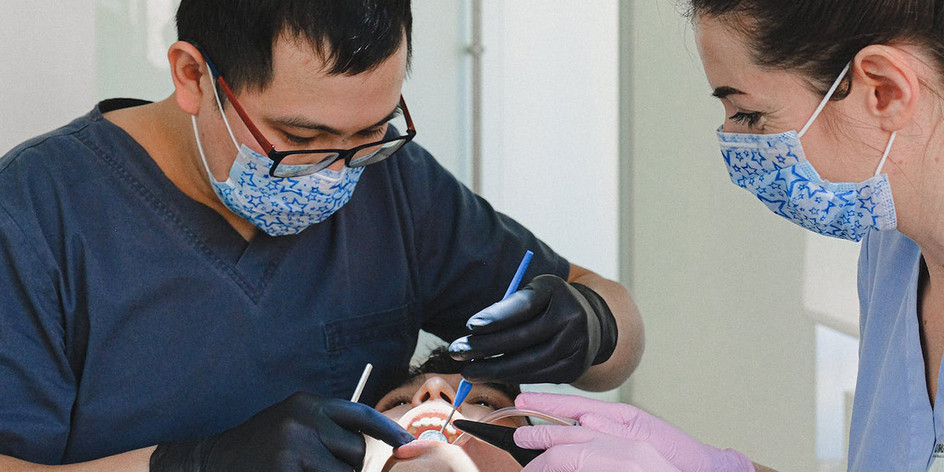
Periodontists specialize in the supporting structures of teeth, including gums and bone. Their two-year residency focuses on treating gum disease, placing dental implants, and performing soft and hard tissue grafts. They play a critical role in maintaining the foundation of a healthy smile.

Endodontists, or root canal specialists, concentrate on the dental pulp and tissues surrounding the root of a tooth. Their two-year training emphasizes diagnosing tooth pain and performing nonsurgical root canal therapy and endodontic retreatments to save natural teeth.
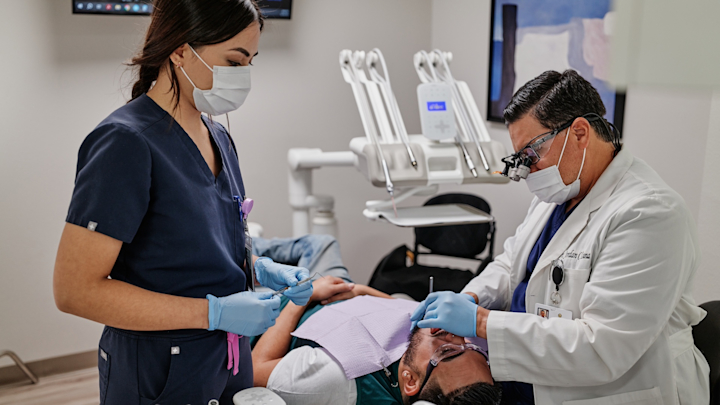
This field involves the restoration and replacement of teeth. Prosthodontists complete three years of advanced training to design and fit complex dental prostheses, including crowns, bridges, dentures, and implant-supported restorations. They focus on the biomechanics of chewing and aesthetics.

Pediatric dentists provide specialized care for children and adolescents. Their two-year residency covers the management of primary and mixed dentition, behavior guidance, and the treatment of children with special health care needs. They focus on preventive care and early intervention.
Choosing a specialty requires careful consideration of the time commitment and clinical interests involved. These advanced roles offer distinct career trajectories within the broader dental landscape.
Non-clinical and alternative roles
Leaving the operatory does not mean leaving dentistry. Many dental professionals pivot to roles where clinical expertise drives decision-making in insurance, education, and law. These positions often offer more predictable hours and different challenges than private practice.
Insurance and utilization review
Dentists with clinical experience are essential in dental insurance companies. As utilization review managers or clinical directors, they evaluate treatment plans for medical necessity and coverage eligibility. This role requires a deep understanding of standard of care and complex case management. The British Dental Association notes that these advisory positions allow professionals to apply their expertise in impactful, non-clinical ways.
Academia and teaching
For those interested in shaping the next generation of dentists, academia offers a stable and intellectually stimulating path. Roles range from adjunct faculty positions to full-time professorships at dental schools. Responsibilities include lecturing, supervising clinical rotations, and conducting research. The American Student Dental Association (ASDA) highlights that academic careers often provide opportunities for mentorship and curriculum development.
Legal advisory and expert witness work
The intersection of dentistry and law creates niche opportunities for expert witnesses and legal consultants. Dentists in this field review case files, provide testimony in malpractice or personal injury cases, and advise law firms on clinical standards. This work leverages clinical knowledge to clarify technical details for judges and juries. It requires strong communication skills and the ability to explain complex procedures clearly.
Essential tools for dental students and professionals
Equipping yourself with the right instruments and study aids is a foundational step in any dental career path. Whether you are preparing for clinical rotations or starting your first role as a dental assistant or hygienist, having reliable gear ensures you can focus on patient care rather than struggling with subpar equipment.
The following Amazon product grid highlights essential items frequently recommended by dental schools and professional organizations like the American Dental Association. These selections cover core clinical tools, ergonomic essentials, and study resources that support both learning and practice.


As an Amazon Associate, we may earn from qualifying purchases.
Investing in quality tools early helps build good habits and professional standards. As you progress through your education and into specialized roles, these basics will serve as the foundation for more advanced clinical work.
Frequently asked questions about dentistry careers
Prospective students often worry about the length of training and the stability of the profession. Understanding the specific requirements for different roles helps clarify whether a four-year degree or a doctoral program is the right fit for your timeline and goals.
No comments yet. Be the first to share your thoughts!