

Start with the latest clinical standards
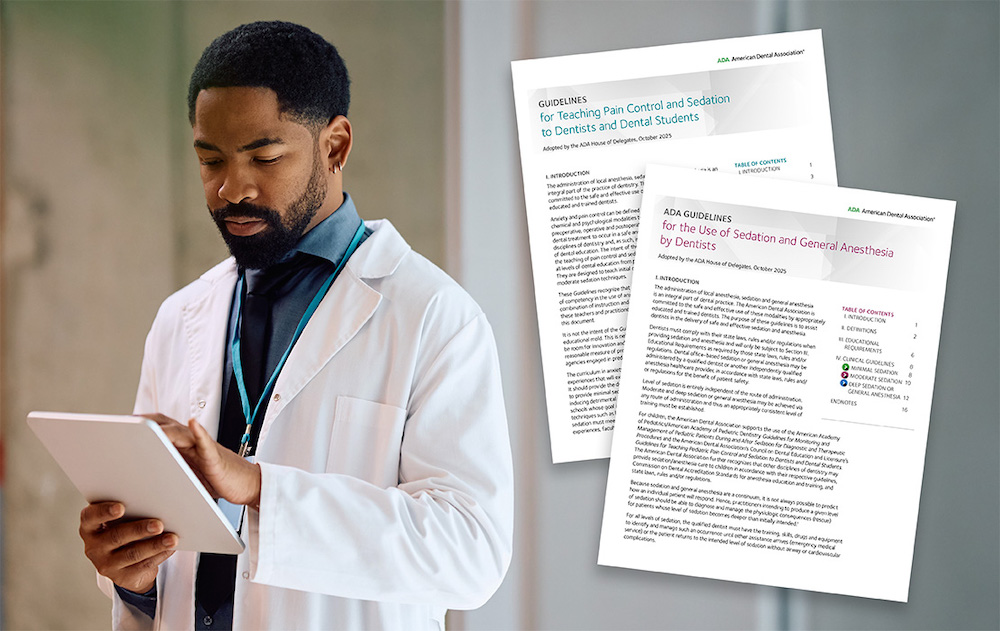
Dental school curricula are built on a foundation of evidence-based practice, but the guidelines governing that practice evolve faster than textbooks can be printed. For students entering the field in 2026, relying on older editions or outdated lecture notes is a liability. The baseline for clinical competence is no longer just what your professor says; it is what the leading professional organizations currently recommend.
The American Dental Association (ADA) and the Centers for Disease Control and Prevention (CDC) serve as the primary authorities for clinical standards. The ADA provides a comprehensive library of clinical practice guidelines that outline best practices for patient care, from diagnostic imaging to restorative procedures. These documents translate complex research into actionable protocols that define the standard of care. Ignoring these resources means practicing outside the accepted professional framework.
Equally critical are the CDC’s guidelines on infection prevention in dental settings. Infection control is not merely a regulatory hurdle; it is the core of patient safety. The CDC updates its recommendations regularly to address emerging pathogens and new sterilization technologies. Students must familiarize themselves with these updates immediately, as they form the non-negotiable baseline for any clinical procedure.
To stay ahead, treat these guidelines as living documents. Bookmark the ADA’s clinical guidelines page and the CDC’s oral health section. Review them at the start of each semester to ensure your clinical skills align with the most current standards. This habit of continuous verification is what separates competent graduates from exceptional practitioners.
Adapt to AI in dental research workflows
Artificial intelligence is no longer a novelty in dental research; it is a standard tool for processing clinical data. For students, the challenge is not learning to use the software, but learning to verify its outputs. AI models can synthesize vast amounts of literature quickly, but they often hallucinate citations or misinterpret statistical significance. Your role shifts from searching for answers to auditing the evidence that leads to them.
Start by treating AI-generated insights as preliminary drafts rather than final conclusions. When an AI tool suggests a treatment protocol or interprets a study, cross-reference every claim against primary sources. The American Dental Association (ADA) emphasizes that evidence-based practice relies on critically appraised data, not algorithmic summaries. Use AI to find the relevant studies, but use your training to determine if the methodology supports the conclusion.
Never accept an AI summary as truth. Locate the original peer-reviewed journal article or clinical trial data that the AI references. Check the sample size, control groups, and conflict of interest statements to ensure the underlying data is robust.
AI models frequently invent plausible-sounding but non-existent papers. If a citation lacks a DOI or cannot be found in PubMed or the ADA library, treat the entire output with skepticism. Flag these errors to understand the model’s limitations.
Align AI findings with established guidelines from the ADA or CDC. If an AI suggestion contradicts current best practices, prioritize the guideline. Document the discrepancy to understand why the model diverged from standard care.
Building this habit now prepares you for a practice where technology augments, but does not replace, clinical judgment. By rigorously validating AI outputs against traditional evidence, you maintain the integrity of your research and ensure patient safety remains the priority. This disciplined approach distinguishes competent practitioners from those who simply follow algorithms.
Meet new dental school admission criteria
The landscape for dental school admissions is shifting. In 2026, programs are moving beyond simple GPA thresholds to evaluate applicants through a more holistic lens. Admissions committees now prioritize clinical exposure, research engagement, and specific prerequisite coursework that aligns with modern dental practice standards.
Understanding these evolving requirements is essential for building a competitive application. Below is a step-by-step breakdown of what you need to prepare.
Start by auditing the specific academic requirements for your target schools. While the DAT is standard, prerequisite courses vary significantly. Some programs now require additional biology or chemistry labs, while others emphasize public health or ethics coursework. Check each school’s website directly, as these requirements change frequently and may not be reflected in general pre-dental guides.
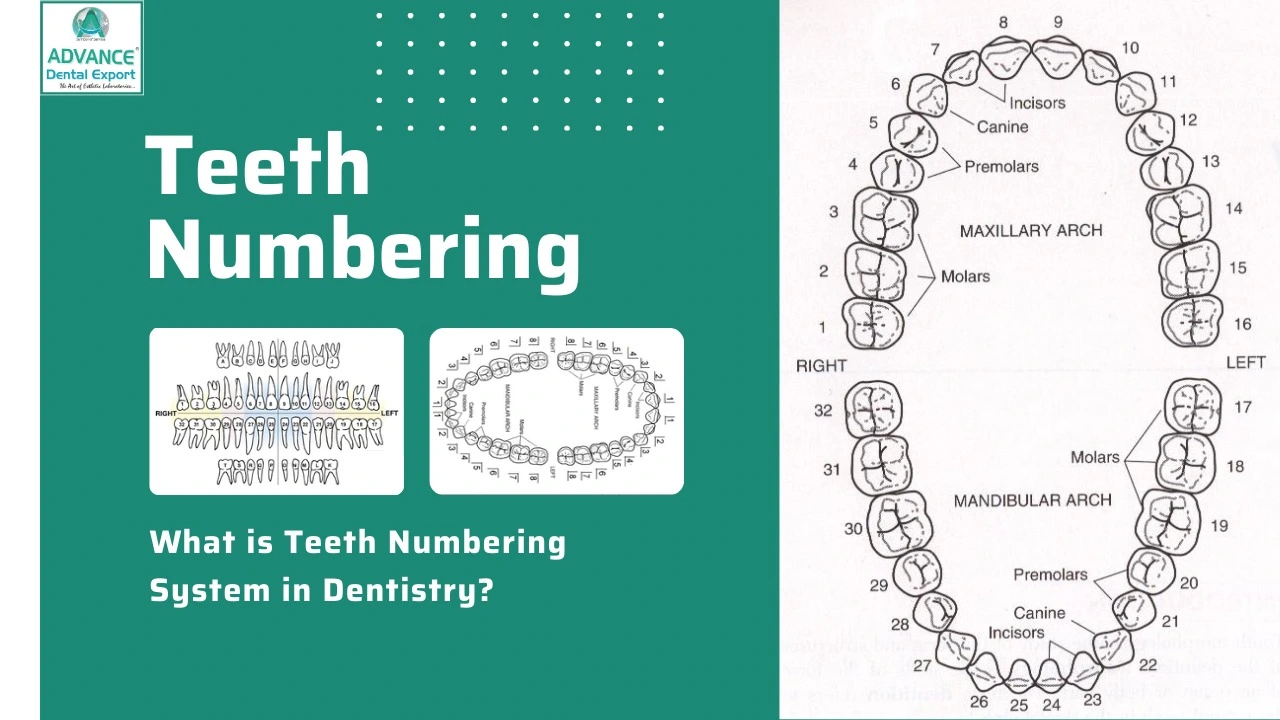
The Dental Admission Test (DAT) remains a critical filter. Focus your study plan on the Perceptual Ability Test (PAT) and Natural Sciences sections, as these are heavily weighted. Aim for a score that places you in the top percentile for your target schools. Consistent practice tests and understanding the test’s structure will help you manage the time pressure during the actual exam.
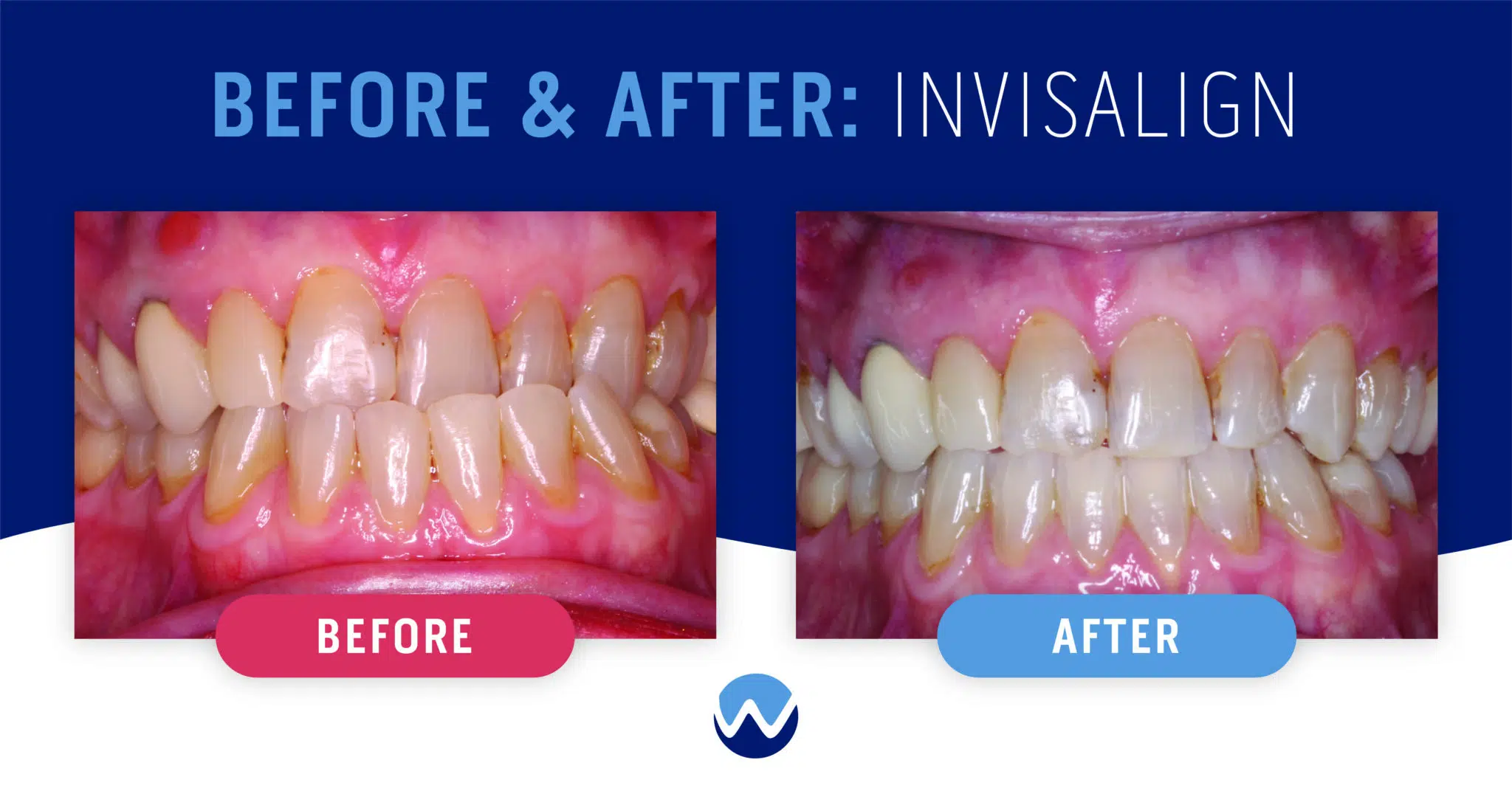
Hands-on observation is no longer optional. Most programs require a minimum number of shadowing hours, often with a preference for diverse settings such as general practice, orthodontics, or public health clinics. This experience demonstrates your understanding of the daily realities of dental practice and helps you articulate why you chose this career path in your interviews.
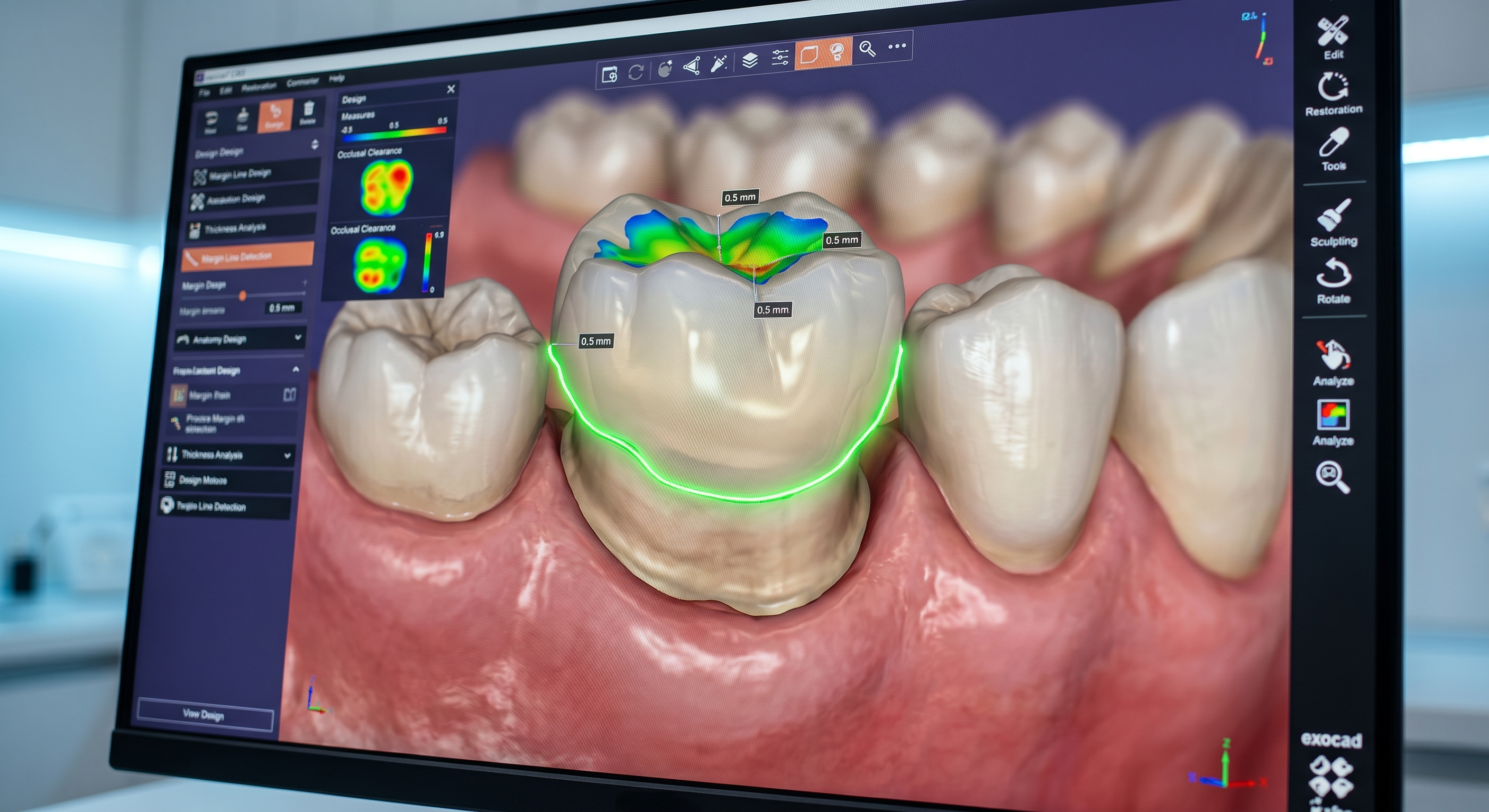
Admissions committees are increasingly interested in your engagement with dental research. You don’t need to be a published scientist, but you should demonstrate an understanding of evidence-based practice. Highlight any research projects, even those in undergraduate labs, and explain how they shaped your approach to patient care. This shows you are prepared for the academic rigor of dental school.
Verify your understanding of pediatric standards
Pediatric dentistry operates under a distinct set of clinical and ethical guidelines that differ significantly from adult care. As a student, you must move beyond general dental knowledge to master the specific policies governing younger patients. The American Academy of Pediatric Dentistry (AAPD) publishes the Reference Manual of Pediatric Dentistry, which serves as the primary authority for definitions, oral health policies, and clinical recommendations in this field 1.
To verify your understanding, focus on the AAPD’s definitions of special health care needs and their associated policy updates. These documents outline the necessary accommodations and clinical protocols for patients with complex medical histories. Ignoring these distinctions can lead to inappropriate treatment plans or legal oversights. Ensure you can distinguish between standard preventive care and the specialized interventions required for vulnerable populations.
Cross-reference AAPD guidelines with CDC recommendations for infection control and fluoride therapy. The CDC provides evidence-based standards for water fluoridation and community preventive services, which directly impact your clinical decision-making. By aligning your study with both AAPD clinical policies and CDC public health standards, you build a robust foundation for compliant, patient-centered care. This dual verification process ensures you are prepared to handle the unique challenges of pediatric dentistry in 2026.
Check your application against the checklist
Before you submit your application or prepare for practice, verify that your credentials align with current standards. This final review ensures you meet the rigorous requirements set by the ADA and CDC.
-
Updated clinical guidelines reviewed: Confirm you have studied the latest CDC infection control protocols and ADA evidence-based recommendations.
-
AI research literacy confirmed: Demonstrate understanding of how artificial intelligence is reshaping diagnostic imaging and patient data management.
-
School-specific requirements met: Double-check that all transcripts, letters of recommendation, and financial aid documents are complete.
-
Pediatric standards understood: Ensure you are familiar with the AAPD guidelines for treating children with special health care needs.
Common Questions About 2026 Dental Guidelines
As the 2026 dental landscape evolves, students often ask how these updates impact their daily studies and future practice. The following questions address the most frequent concerns regarding guideline frequency, AI integration, and continuing education.
No comments yet. Be the first to share your thoughts!