

Start with the dental admission test
The Dental Admission Test (DAT) is the primary gatekeeper for dental school admission. A strong score is required to gain entry into competitive programs, whether you aim for general practice or a specialty. Think of the DAT as your first clinical exam; it tests not just what you know, but how you apply scientific reasoning under pressure.
Success on this exam rarely comes from casual review. It demands a structured study plan and high-quality resources that mirror the actual test format. The DAT covers natural sciences, perceptual ability, reading comprehension, and quantitative reasoning. Without targeted practice materials, it is easy to underestimate the depth of knowledge required for the biology and chemistry sections.
The right prep books act as a roadmap, breaking down complex topics into manageable study blocks. They provide the practice problems and explanations needed to identify weak areas before test day. Choosing the right study guide can mean the difference between a borderline score and a competitive application.
Below are the top-rated DAT prep books that consistently help candidates build the foundation needed for dental school admission.


As an Amazon Associate, we may earn from qualifying purchases.
Navigate dental school requirements
Getting into dental school is less about memorizing a single textbook and more about managing a complex, multi-year timeline. The path from undergraduate prerequisites to submitting your application requires careful orchestration of GPA maintenance, standardized testing, and clinical exposure. Rather than treating these elements as separate hurdles, successful candidates view them as interconnected parts of a single campaign.
The academic foundation starts with specific science courses. Most programs require biology, general chemistry, organic chemistry, and physics, often with lab components. While some schools accept a bachelor’s degree in any field, maintaining a high GPA in these rigorous science courses remains the primary filter for admissions committees. Shadowing dentists is equally critical; it provides the practical context that grades alone cannot offer and demonstrates your commitment to the profession.
Organizing this process can feel overwhelming without a structured approach. This is where dedicated study guides and application timelines become essential tools. They help you map out when to take the DAT, when to request letters of recommendation, and how to balance your coursework with shadowing hours. A well-chosen guide acts as a project manager for your career, ensuring no deadline slips through the cracks.
To help you stay on track, consider these essential steps for preparing your application:
- Complete all science prerequisites with a focus on GPA.
- Accumulate at least 100 hours of dental shadowing across different settings.
- Prepare for and take the DAT during your junior or senior year.
- Draft your personal statement and secure letters of recommendation early.
Using a concrete resource to track these milestones can transform a chaotic schedule into a manageable workflow. By aligning your study habits with the specific requirements of dental schools, you position yourself as a prepared and serious candidate. The right guide doesn't just list requirements; it helps you build the momentum needed to succeed in the competitive admissions landscape.
Prepare for board exams and specialties
The path from dental school to licensure requires navigating the Integrated National Board Dental Examination (INBDE) and preparing for competitive specialty residencies. This transition marks a shift from general coursework to high-stakes clinical decision-making. Choosing the right study materials is not just about passing a test; it is about building the clinical reasoning foundation required for the INBDE and subsequent board certifications.
Compare top NBDE review books
Review books vary significantly in format, page count, and the inclusion of practice questions. The following comparison highlights key features of widely used resources to help you select the tool that matches your learning style.
| Book Title | Approx. Pages | Practice Questions | Primary Focus |
|---|---|---|---|
| Dental Decks | 1,200+ | Included | Comprehensive review and board prep |
| Mosby’s Review for the NBDE | 1,000+ | Extensive | Step-by-step exam preparation |
| Dentin’s Board Express | 800+ | Focused | High-yield facts and rapid review |
| Kaplan Dental Decks | 1,100+ | Included | Detailed explanations and case studies |
Recommended board exam resources
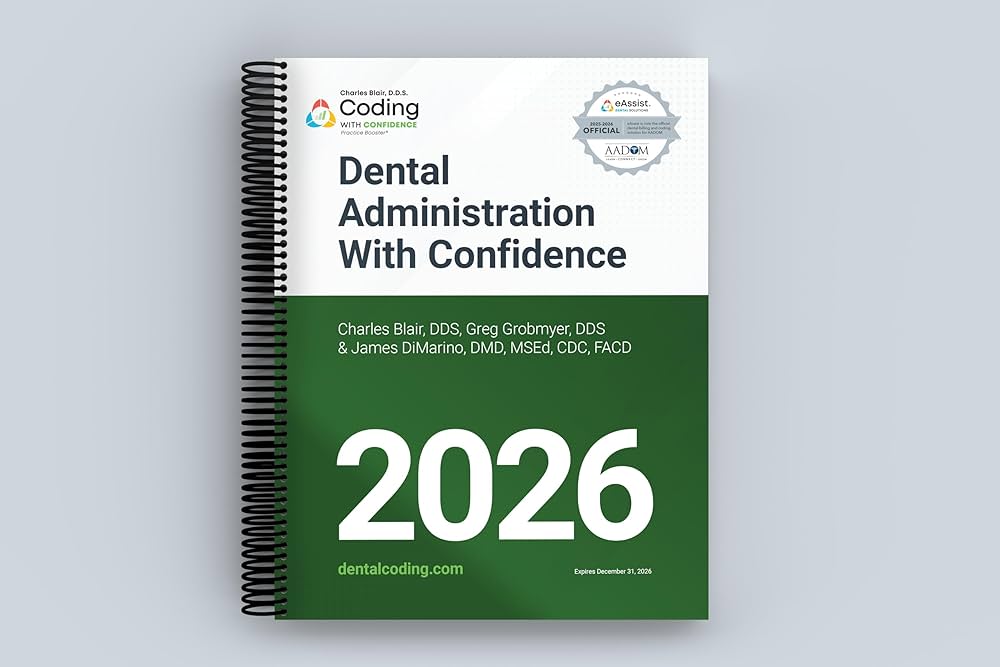
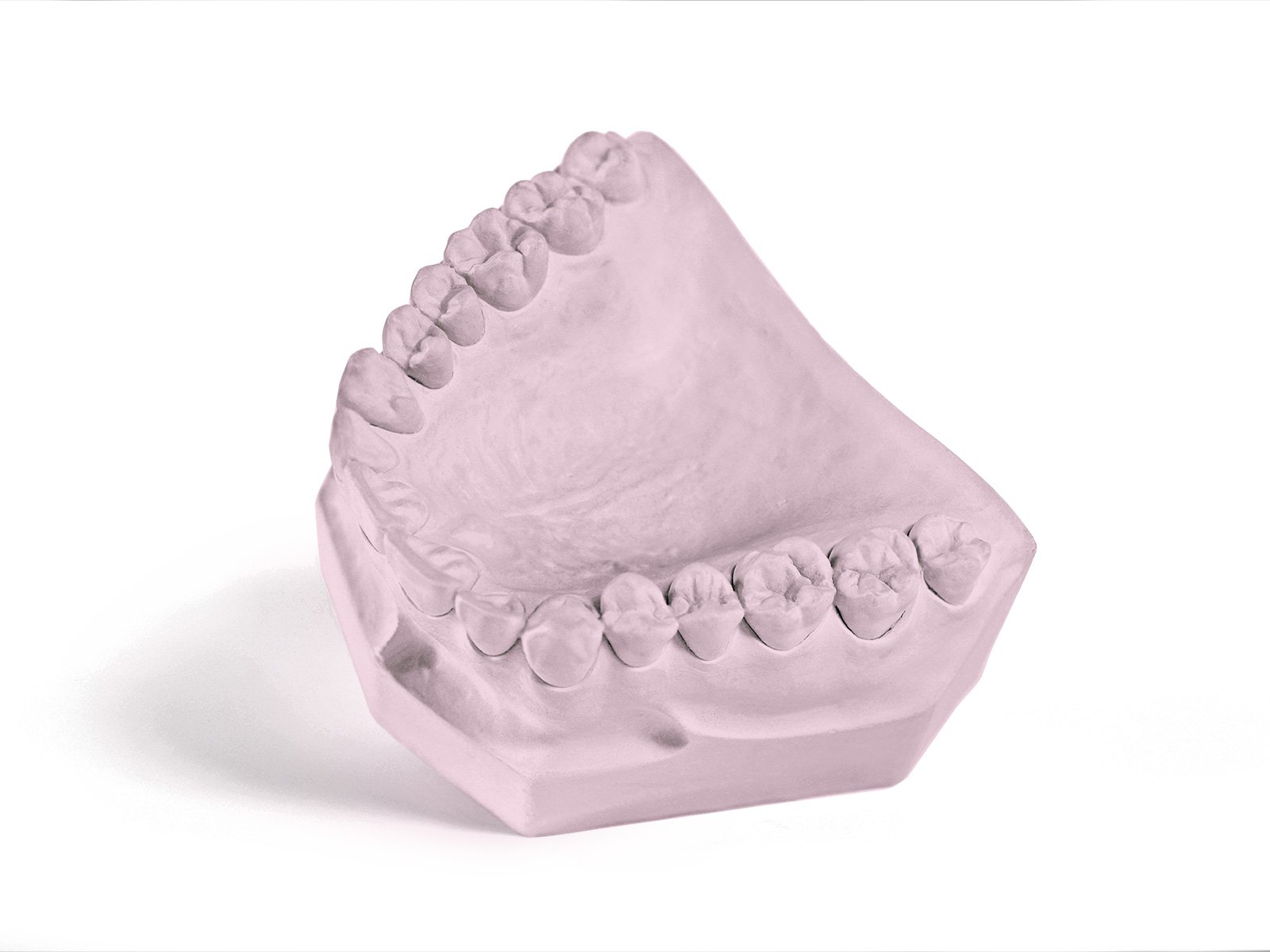
These specific titles are frequently cited by dental students for their thorough coverage of the INBDE content outline. They provide structured pathways for mastering basic sciences and clinical dentistry.


As an Amazon Associate, we may earn from qualifying purchases.
Specialty training in fields like orthodontics, periodontics, or oral surgery demands additional preparation beyond the INBDE. Many candidates use specialized review books tailored to their specific board exams, such as the American Board of Orthodontics or the American Board of Periodontics. These resources often include case-based questions that mirror the clinical scenarios encountered during specialty board examinations.
For those pursuing advanced degrees, integrating board prep with specialty study is essential. The most successful candidates often begin reviewing core concepts early in their dental school career, ensuring that the foundation for licensure and specialization is solid before entering competitive residency programs.
Study guides for dental hygiene and assistant tracks
Dentistry offers more than just the dentist chair. Dental hygienists and assistants form the backbone of the clinical team, handling patient care, sterilization, and administrative tasks. These roles require specific certifications and focused study materials to pass state board exams and national board tests.
The American Dental Association notes that these non-dentist roles are essential for maintaining oral health and office efficiency [1]. Preparing for these exams requires targeted resources that cover clinical procedures, radiography, and patient management.
Dental hygiene certification prep
Hygienists undergo rigorous training. Study guides for this track must cover periodontics, pharmacology, and local anesthesia. Look for books that include practice exams and detailed explanations for clinical scenarios.


As an Amazon Associate, we may earn from qualifying purchases.
Dental assistant certification materials
Assistants need a mix of clinical and administrative knowledge. Study materials should cover infection control, chairside assistance, and office software. Many states require specific certification, so ensure the guide aligns with your local requirements.


As an Amazon Associate, we may earn from qualifying purchases.
Common questions about dental study materials
Choosing the right dental study guides and exam prep books for 2026 requires matching the resource to your specific stage in the dental career path. Whether you are preparing for the NBDE or specialized board certifications, the best materials are those that align with your current curriculum and testing format.
Which books are best for dental board exams?
The American Dental Association recommends starting with the official NBDE study guides released by the Joint National Board Dental Examination Committee. These resources provide the most accurate representation of the exam structure and content outline. For supplemental practice, many students turn to third-party question banks that offer detailed explanations for each answer, helping you understand the reasoning behind complex clinical scenarios.
Should I use digital or print study guides?
Most dental students prefer print books for deep reading and annotation, as they reduce screen fatigue during long study sessions. However, digital prep books offer the advantage of searchable text and frequent updates, which is crucial for keeping up with changes in dental guidelines. A hybrid approach often works best: use print for core textbook learning and digital resources for quick review and practice questions on the go.
How early should I start studying?
Begin your preparation at least six months before your scheduled exam date. This timeline allows you to cover all content areas thoroughly without rushing. Early starters can identify weak spots in subjects like biochemistry or pathology and allocate extra time to those areas. Consistent, daily study sessions are more effective than cramming, as they help reinforce long-term retention of complex dental concepts.
No comments yet. Be the first to share your thoughts!