
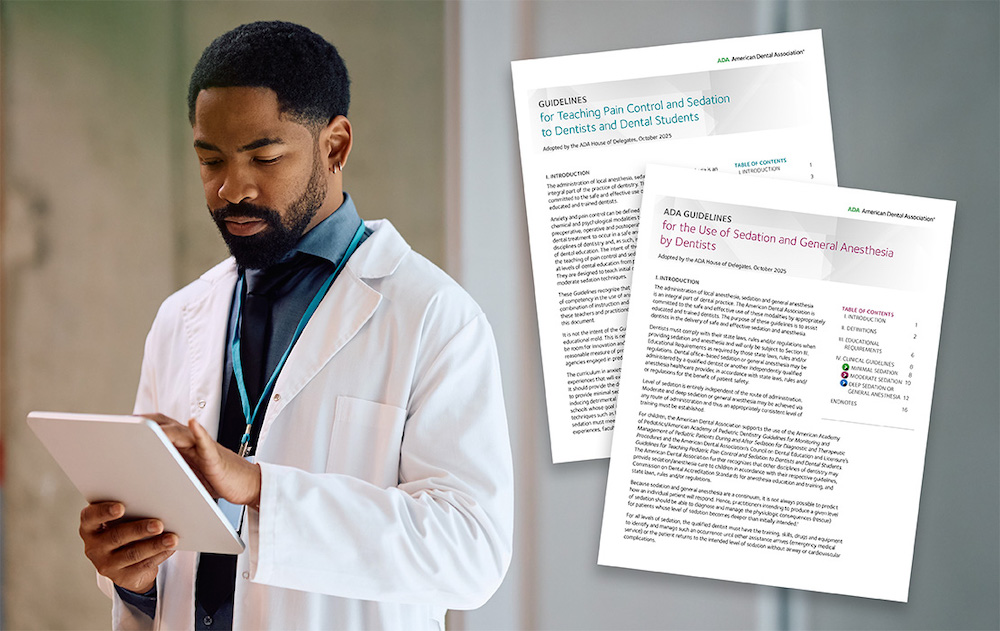

Why guidelines matter for clinical care
Evidence-based dentistry isn't just an academic exercise; it is the foundation of safe, effective patient care. Guidelines from organizations like the American Dental Association (ADA) and the Centers for Disease Control and Prevention (CDC) translate complex research into actionable protocols. They provide the framework for everything from infection control to diagnostic accuracy, ensuring that clinical decisions are grounded in the best available science rather than tradition or anecdote.
The ADA’s library of clinical practice guidelines offers specific recommendations for patient care, covering areas such as early oral cancer detection and preventive strategies. Similarly, CDC guidelines on infection control in dental settings are critical for protecting both patients and staff from cross-contamination. Adhering to these standards minimizes liability and, more importantly, improves health outcomes.
However, guidelines are only as effective as the tools used to implement them. A protocol for digital radiography is useless without a reliable sensor. A sterilization guideline requires properly functioning autoclaves and instrument cassettes. This is where the physical infrastructure of your practice comes into play. To follow modern standards, you need equipment that is not only compliant but also efficient and durable.
Transitioning from theory to practice means selecting instruments and devices that align with these evidence-based recommendations. The right tools bridge the gap between clinical knowledge and patient treatment, allowing you to deliver care that is both precise and compliant.
Essential diagnostic and imaging tools
Modern dental diagnostics rely on hardware that captures data with minimal patient discomfort. Digital sensors and intraoral cameras have replaced traditional film, allowing clinicians to identify issues like caries, fractures, and periodontal disease during the initial visit. This shift from reactive treatment to early detection improves patient outcomes and streamlines clinical workflows.
The core of this system is the digital sensor. Unlike film, which requires chemical processing and time, digital sensors provide instant high-resolution images. These sensors are available in various sizes to accommodate different patient needs, from pediatric to adult arches. The immediate feedback loop helps dentists explain conditions to patients clearly, often leading to higher case acceptance for recommended treatments.
Intraoral cameras serve as a complementary tool for visual documentation. These small, pen-sized devices capture real-time video and images of the oral cavity, projecting them onto a monitor for the patient to see. This visual evidence is crucial for informed consent and treatment planning. Together, digital sensors and intraoral cameras form the backbone of a modern diagnostic suite.


As an Amazon Associate, we may earn from qualifying purchases.
Infection prevention and safety gear
Modern dental practices must adhere to strict infection control protocols to protect both patients and staff. While the Occupational Safety and Health Administration (OSHA) does not have specific standards solely for dentistry, it enforces the Bloodborne Pathogens Standard and General Duty Clause to ensure safe working conditions. The Centers for Disease Control and Prevention (CDC) provides detailed guidelines for infection prevention in dental settings, which serve as the industry benchmark for clinical safety.
Personal protective equipment (PPE)
Dentists and assistants must wear appropriate PPE for every patient encounter. This includes face masks with eye protection or face shields, protective clothing, and gloves. N95 respirators are required when performing procedures that may generate splashes or sprays of blood or oral fluids. Regular examination of PPE integrity before each use is essential to prevent exposure to biological hazards.
Sterilization equipment
All critical and semi-critical instruments must be sterilized between patients. Autoclaves are the primary method for heat-sensitive items, using steam under pressure to kill microorganisms. Dental practices should invest in high-quality sterilization units that meet ANSI/AAMI standards. Regular biological monitoring ensures that the sterilization process is effective and compliant with health regulations.
| Feature | Autoclave | Chemical Sterilizer |
|---|---|---|
| Efficacy | High (Steam) | Moderate |
| Material Compatibility | Heat-resistant metals | Heat-sensitive plastics |
| Cycle Time | 15-30 minutes | Variable |
| Regulatory Compliance | Gold Standard | Limited Use |
Disinfection supplies
Surface barriers and disinfectants are crucial for environmental safety. High-level disinfectants should be used for non-critical surfaces that cannot be autoclaved. Dental practices should maintain a log of disinfectant usage and expiration dates to ensure compliance with CDC guidelines. Proper disposal of biohazardous waste is also a critical component of infection prevention.


As an Amazon Associate, we may earn from qualifying purchases.
Digital workflow and AI integration tools
Artificial intelligence and digital imaging are shifting dentistry from reactive repair to proactive prevention. Modern software now analyzes intraoral scans and radiographs to flag early signs of decay, gum disease, and even oral cancer before symptoms appear. This transition allows practitioners to build evidence-based care plans grounded in clinical data rather than guesswork.
The integration of these tools streamlines the entire patient journey. Digital impressions eliminate messy putty trays, while AI-assisted diagnostic software highlights anomalies that might escape the naked eye. This efficiency reduces chair time and improves accuracy, creating a smoother experience for both the dentist and the patient.
To support this digital transformation, practices need reliable hardware that captures high-fidelity data. The following tools are essential for building a modern, AI-ready workflow.


As an Amazon Associate, we may earn from qualifying purchases.
Adopting these technologies requires a shift in daily habits. Practices that prioritize digital data capture find it easier to leverage AI diagnostics and share records securely. The result is a practice that is faster, more accurate, and better equipped to handle complex cases.
- Verify AI software compatibility with your existing practice management system.
- Train staff on digital scanning techniques to ensure consistent image quality.
- Implement a secure cloud backup for all digital patient records.
- Regularly update diagnostic algorithms to reflect the latest clinical guidelines.
Common questions about dental care
Dentistry guidelines often leave patients with specific questions about daily habits and unexpected symptoms. Understanding these nuances helps you choose the right tools and know when to seek professional help.
Can a dentist detect lymphoma?
Yes, a routine dental checkup can sometimes uncover lymphoma before other signs appear. Dentists examine the soft tissues in the mouth for unusual lumps or sores that may indicate cancer. While a diagnosis requires a biopsy, early detection during a standard cleaning can be life-saving.
What is the 3-3-3 rule for dentists?
The 3-3-3 rule is a pain management strategy for temporary relief of dental discomfort. It involves taking 3 tablets of ibuprofen (200 mg each) every 3 hours for a maximum of 3 days. This approach aims to control inflammation, which is the primary cause of most acute dental pain. Always consult your dentist before starting any medication regimen.
How often should I replace my toothbrush?
The American Dental Association recommends replacing your toothbrush every three to four months, or sooner if the bristles are frayed. Worn bristles lose their effectiveness at removing plaque and can damage your gums. Electric toothbrush heads should follow the same schedule to ensure optimal cleaning performance.
No comments yet. Be the first to share your thoughts!