
Get dentistry guidelines right
Before integrating AI tools or updating curricula, you need to anchor your practice or program in established clinical standards. The landscape is shifting, but patient safety protocols remain the baseline. Confusing emerging AI capabilities with foundational medical rules creates risk.
Start with the 3-3-3 rule, a common mnemonic for pediatric assessments or antibiotic prophylaxis timing depending on the context. Clarify which version applies to your specific scenario. For antibiotic stewardship, follow the latest ADA guidance on premedication for endocarditis. The 2021 update narrowed indications significantly. Do not rely on outdated protocols for valve replacements.
Next, verify your 2-2-2 rule compliance if you are managing sedation or specific pediatric care pathways. This often refers to observation times or oxygen saturation thresholds. Misinterpreting these numbers can lead to adverse events. Cross-reference with the AAPD Reference Manual for pediatric-specific definitions.
Use the American Dental Association’s evidence-based research portal to validate any new AI diagnostic claims. If an algorithm promises faster caries detection, check if it has undergone the same rigorous review as traditional radiographic methods. Do not skip the proof checks.
Work through the steps
The Dentistry Landscape works best as a clear sequence: define the constraint, compare the realistic options, test the tradeoff, and choose the path with the fewest hidden costs. That order keeps the advice usable instead of decorative. After each step, pause long enough to check whether the recommendation still fits the reader's actual situation. If it depends on perfect timing, unusual access, or a best-case budget, include a simpler fallback.

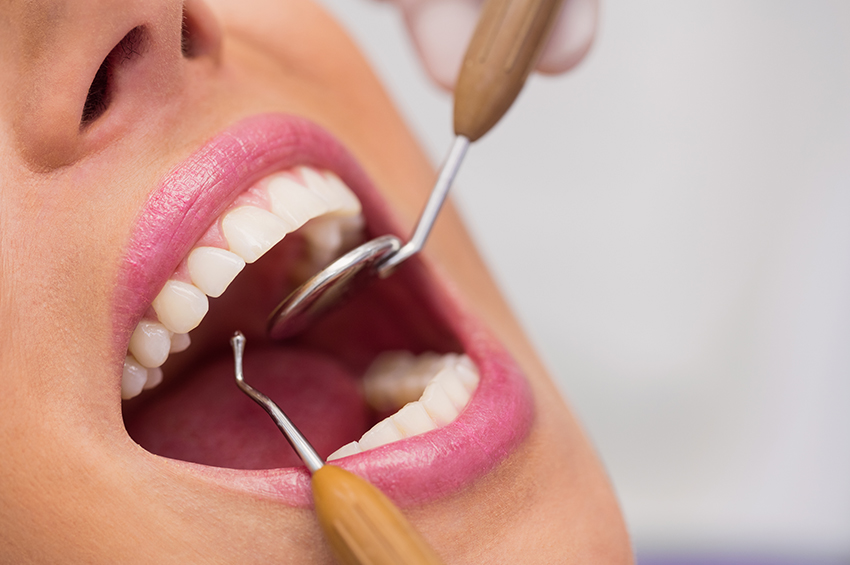

Common mistakes in digital dentistry workflows
Even with advanced AI tools, many practices still struggle with integration because they treat technology as a standalone fix rather than a workflow component. The result is often increased friction for staff and inconsistent data quality. To avoid these pitfalls, focus on the specific errors that undermine clinical outcomes and operational efficiency.
Skipping data validation before AI analysis
AI models are only as good as the data they receive. A common mistake is feeding unstructured or incomplete patient records directly into diagnostic algorithms. This leads to false positives or missed anomalies. Always clean and standardize input data before running it through any automated system. Verify that image metadata, patient history, and clinical notes are synchronized.
Ignoring regulatory updates on antibiotic prophylaxis
Guidance on antibiotic use for dental procedures has shifted significantly in recent years. Many clinicians still rely on outdated protocols, leading to overprescription or unnecessary patient risk. Refer to the latest American Dental Association (ADA) and American Heart Association (AHA) guidelines to ensure compliance. These updates are critical for patient safety and legal protection.
Over-relying on automated scheduling without human oversight
While AI can optimize appointment slots, it often fails to account for complex patient needs or provider preferences. A purely algorithmic approach can lead to back-to-back emergencies or insufficient time for complex procedures. Use AI as a suggestion engine, not a final decision-maker. Always allow dentists to override automated schedules based on clinical judgment.
Neglecting staff training on new interfaces
Implementing new software without adequate training is a leading cause of workflow disruption. Staff members may revert to old methods or make errors due to unfamiliarity. Invest in comprehensive training sessions that cover both technical operation and clinical application. Continuous education ensures that the team can leverage new tools effectively.
Failing to integrate AI with existing practice management systems
Silos of data create inefficiencies. If your AI diagnostic tool doesn’t communicate with your electronic health record (EHR) or practice management software, you create redundant data entry tasks. Choose platforms that offer seamless integration via APIs. This reduces administrative burden and ensures that clinical insights are immediately actionable.
Not verifying AI recommendations with clinical evidence
AI outputs should never replace professional judgment. Always cross-reference automated suggestions with current clinical evidence and peer-reviewed literature. The ADA provides a robust database of evidence-based guidelines that can help validate AI findings. This step ensures that patient care remains grounded in scientific consensus.
Dentistry guidelines: what to check next
Navigating the 2026 dental landscape requires understanding specific clinical protocols and emerging standards. Below are direct answers to the most common questions regarding dental rules, antibiotic guidance, and educational shifts.
No comments yet. Be the first to share your thoughts!