

Dentistry in 2026: A Changing Field
If you're considering a career in dentistry, you're entering a field poised for both stability and evolution. The Bureau of Labor Statistics projects a 6% growth in employment for dentists between 2022 and 2032, adding roughly 18,400 jobs. This growth, while solid, isn’t the whole story. The profession is being reshaped by an aging population needing more complex care, advances in technology, and a growing emphasis on preventative treatments.
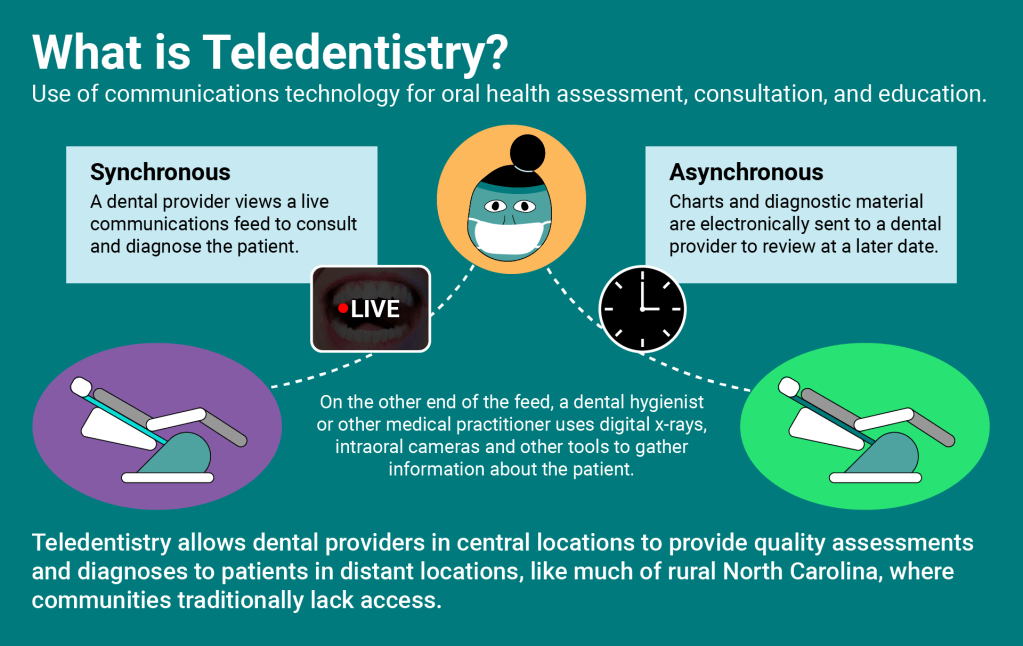
What does this mean for a dentist starting their career in 2026? Expect a workplace increasingly reliant on digital tools – think 3D printing for crowns, cone-beam computed tomography for precise diagnostics, and teledentistry for broadened access to care. Patient demographics are shifting too, demanding cultural competency and a patient-centered approach. Specialization will likely continue its rise, offering opportunities for focused expertise.
It’s crucial to acknowledge the realities. A dental education is a substantial financial commitment, often resulting in significant student loan debt. The application process is intensely competitive; the American Dental Education Association (ADEA) reports an acceptance rate hovering around 45% for applicants in recent years. Success requires dedication, strong academic performance, and a genuine passion for oral health.
Despite these challenges, the dentist profession offers intellectual stimulation, the ability to improve people’s lives, and a generally high level of professional satisfaction. Understanding the current trajectory of the field is the first step towards preparing for a successful career in dentistry.
Undergraduate Preparation: Building Your Foundation
A strong undergraduate foundation is non-negotiable for aspiring dentists. While there isn’t one specific "pre-dentistry’ major, a science-heavy curriculum is essential. Core coursework includes two semesters each of general chemistry, organic chemistry, and biochemistry, plus a year of physics and biology. Don"t neglect the humanities and social sciences – communication skills and critical thinking are vital.
Beyond the specific courses, maintaining a high GPA is paramount. According to ADEA data, the average GPA of matriculants to dental school in 2023-2024 was 3.64. The MCAT (Medical College Admission Test) is also a significant factor, with average scores around 511.5. However, a perfect GPA and MCAT score aren’t the only things schools consider.
Gaining relevant experience is equally important. Volunteering in a dental office provides valuable exposure to the day-to-day realities of the profession. Shadowing dentists in various specialties broadens your understanding of potential career paths. Participating in research, even if it’s not directly dental-related, demonstrates your scientific aptitude. These experiences show dental schools you’re genuinely committed to the field.
I've seen many students with slightly lower GPAs gain acceptance based on compelling experiences and a demonstrated passion for dentistry. Don’t underestimate the power of a well-crafted application that tells a story of dedication and genuine interest. Focus on building a well-rounded profile that showcases your abilities and commitment.
- General Chemistry: Two semesters
- Organic Chemistry: Two semesters
- Biochemistry: One semester
- Physics: One year (with lab)
- Biology: One year (with lab)
The Dental Admission Test (DAT): What to Expect
The Dental Admission Test (DAT) is a crucial hurdle in the application process. It’s a standardized exam designed to assess your scientific knowledge, perceptual ability, reading comprehension, and quantitative reasoning skills. The test consists of four sections: Survey of the Natural Sciences (100 minutes), Perceptual Ability Test (90 minutes), Reading Comprehension (60 minutes), and Quantitative Reasoning (45 minutes).
Scoring is based on a scaled score from 1 to 30 for each section, with a total score ranging from 1 to 100. The American Dental Association (ADA) provides official DAT preparation materials and practice tests, which are the most reliable resources. While various commercial prep courses are available, their effectiveness varies, and I recommend prioritizing official resources.
The DAT has shifted to a fully digital format, meaning it’s administered on a computer and includes new item types. This change requires test-takers to familiarize themselves with the digital interface and practice using online resources. A realistic preparation timeline is 3-6 months, dedicating 20-30 hours per week to studying.
Registration for the DAT can be done through the ADEA website, and the cost is currently $525. It’s crucial to register early, as test dates can fill up quickly. Thorough preparation and a strategic approach are key to achieving a competitive score.
Dental School Application Process: AADSAS & Beyond
The application process for dental school is centralized through the Associated American Dental Schools Application Service (AADSAS). This involves submitting a single application that is then distributed to the dental schools you designate. The application requires transcripts, DAT scores, letters of recommendation, a personal statement, and a list of extracurricular activities.
Crafting a compelling personal statement is arguably the most important part of your application. It’s your opportunity to showcase your personality, motivations, and experiences. Letters of recommendation should come from professors or dentists who know you well and can attest to your abilities and character. Be sure to give your recommenders ample time to write thoughtful letters.
After submitting your AADSAS application, you’ll likely receive secondary applications from individual dental schools. These applications typically include additional essays and questions specific to each institution. The cost of applying to dental school can add up quickly – AADSAS charges a fee per school, and secondary applications often have additional fees.
The entire process is undeniably stressful. Many applicants report feeling overwhelmed by the workload and uncertainty. It's helpful to start early, stay organized, and seek support from mentors or advisors. Remember that rejection is common, and it doesn’t necessarily reflect your potential.
Financing Your Dental Education
Dental school is expensive. The average debt for dental school graduates in 2023 was over $300,000, according to the ADA. Fortunately, several financing options are available. Federal student loans are the most common source of funding, but private loans may also be necessary.
Scholarships can significantly reduce your debt burden. The ADA Foundation offers a variety of scholarships, and many dental schools offer their own financial aid packages. Loan repayment programs are also available, particularly for dentists who practice in underserved areas. The Health Resources and Services Administration (HRSA) offers several loan repayment options.
It’s essential to carefully consider your potential debt-to-income ratio. Location plays a role – dentists in urban areas generally earn more but also have higher living expenses. Researching the cost of living and average salaries in different areas is crucial.
Being realistic about the financial implications of dental school is vital. Create a detailed budget, explore all available financing options, and develop a plan for managing your debt after graduation. Ignoring this aspect can lead to significant financial stress down the road.
Dental School Curriculum: Years 1-4
The dental school curriculum is typically divided into four years. Years 1 and 2 focus on basic sciences, such as anatomy, physiology, biochemistry, and microbiology. Students also begin learning about dental materials and techniques in preclinical laboratory courses.
Years 3 and 4 are primarily clinical rotations, where students treat patients under the supervision of experienced faculty. These rotations cover all aspects of dentistry, including restorative dentistry, periodontics, endodontics, oral surgery, and pediatric dentistry. There’s a growing emphasis on integrating digital dentistry – CAD/CAM systems, intraoral scanners – into the curriculum.
Didactic learning, or classroom-based instruction, continues throughout all four years, complementing the clinical experience. Students are also required to pass the National Board Dental Examinations (NBDE) Parts I and II, as well as clinical board exams, to be eligible for licensure.
The curriculum is demanding, requiring significant time commitment and dedication. However, it provides a comprehensive foundation in the art and science of dentistry, preparing graduates to provide high-quality care to their patients.
Specialty Options: Charting Your Course
After completing dental school, you can choose to pursue a specialty. Common specialties include Orthodontics (straightening teeth), Endodontics (root canal treatment), Periodontics (gum disease), Prosthodontics (restoring teeth), Oral and Maxillofacial Surgery (surgical procedures of the mouth and jaw), Pediatric Dentistry (dental care for children), and Public Health Dentistry (community dental health).
Each specialty requires additional training, typically a 2-4 year residency program. The application process for specialty programs is highly competitive, particularly for specialties like Oral and Maxillofacial Surgery and Orthodontics. Job market demand and salary expectations vary by specialty, with surgical specialties generally commanding the highest salaries.
Public Health Dentistry offers a different path, focusing on improving oral health within communities and addressing disparities in access to care. It’s a rewarding career for those passionate about community service. The ADA provides resources on specialty training programs and career paths.
Choosing a specialty is a significant decision. Shadowing dentists in different specialties, researching program requirements, and considering your interests and skills are essential steps in making the right choice.
Dental Specialties Comparison
| Specialty | Description | Additional Training (years) | Job Market Outlook | Work-Life Balance | Typical Patient Base |
|---|---|---|---|---|---|
| Endodontics | Focuses on the diagnosis, prevention, and treatment of diseases and injuries of the dental pulp and periapical tissues. | 2-3 | Good | Medium | Patients needing root canal treatment and managing tooth pain. |
| Oral and Maxillofacial Surgery | Involves surgical treatment of diseases, injuries, and defects of the mouth, jaws, and face. | 4-6 | Very Good | Lower | Patients requiring extractions, reconstructive surgery, trauma care, and management of oral cancers. |
| Orthodontics and Dentofacial Orthopedics | Deals with the diagnosis, prevention, and correction of malocclusion (bad bite) and jaw irregularities. | 2-3 | Good | Medium | Children, adolescents, and adults seeking straighter teeth and improved jaw alignment. |
| Pediatric Dentistry | Provides comprehensive dental care to infants, children, and adolescents, including those with special needs. | 2-3 | Good | Medium to High | Infants, children, and adolescents, including those with special healthcare needs. |
| Periodontics | Concerned with the prevention, diagnosis, and treatment of diseases of the gums and supporting structures of the teeth. | 3 | Good | Medium | Patients with gum disease, and those needing dental implants. |
| Prosthodontics | Focuses on the restoration and replacement of teeth, including dentures, bridges, and implants. | 3 | Good | Medium | Patients needing to replace missing or damaged teeth. |
| Public Health Dentistry | Addresses the oral health needs of communities and populations, focusing on prevention and health promotion. | 2 | Moderate | Higher | Community populations, underserved groups, and public health organizations. |
Qualitative comparison based on the article research brief. Confirm current product details in the official docs before making implementation choices.
Licensure and Beyond: Starting Your Practice
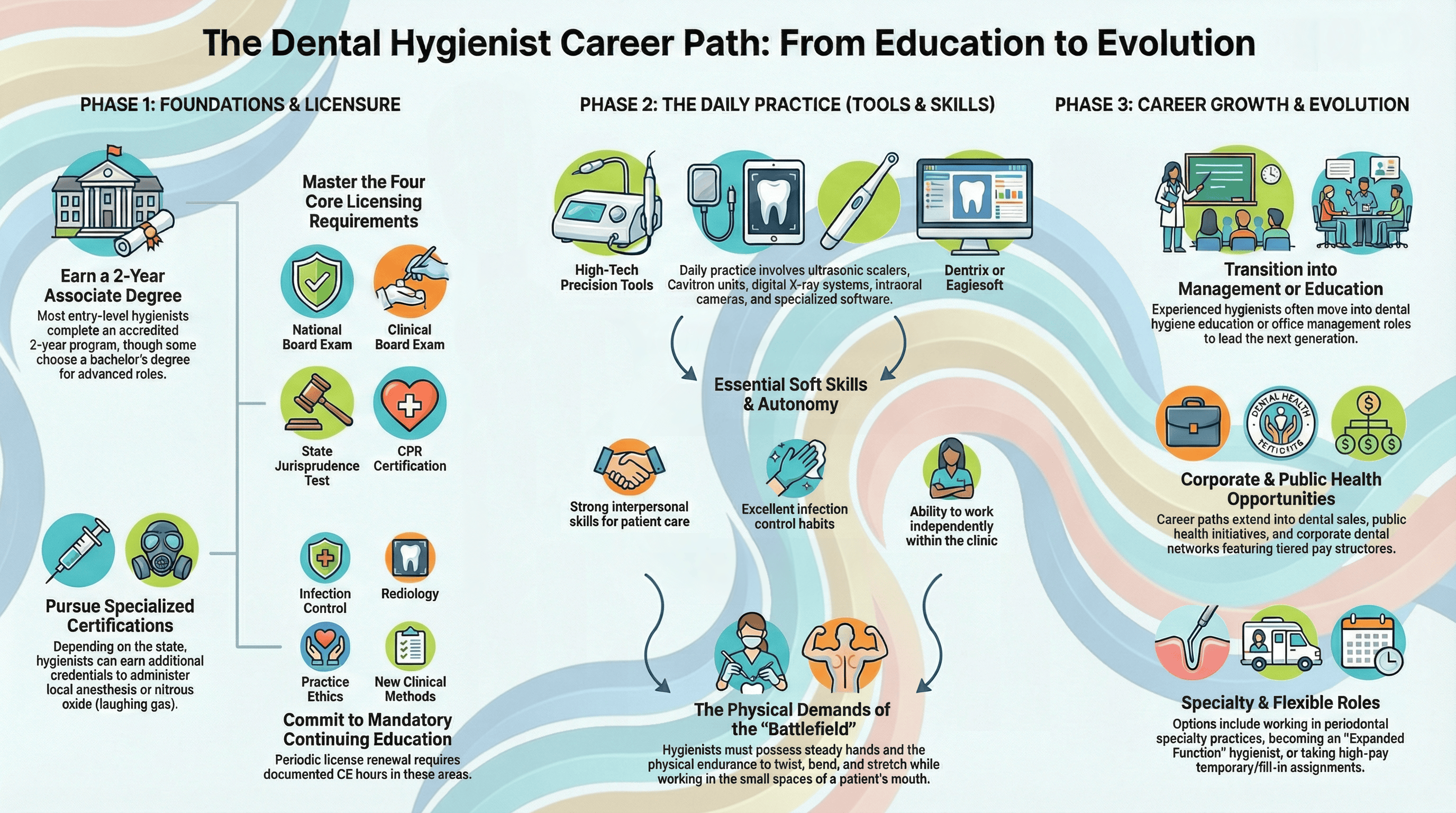
Obtaining a dental license is the final step before you can legally practice dentistry. Requirements vary by state, but generally involve graduating from an accredited dental school, passing the National Board Dental Examinations and clinical board exams, and completing a state-specific jurisprudence exam (as outlined on ada.org).
There are several pathways to practice. You can join an existing group practice, start your own private practice, work in a public health clinic, or pursue a career in academia. Starting a private practice involves significant business considerations, such as securing financing, finding a location, and managing staff.
Continuing education is a lifelong requirement for dentists. Most states require dentists to complete a certain number of continuing education credits each year to maintain their licenses. This ensures that dentists stay up-to-date on the latest advances in the field.
Building a successful dental career requires not only clinical expertise but also strong communication skills, business acumen, and a commitment to lifelong learning. It’s a challenging but rewarding profession that offers the opportunity to make a positive impact on people’s lives.

No comments yet. Be the first to share your thoughts!