

Dental Telehealth: A Rapidly Expanding Field
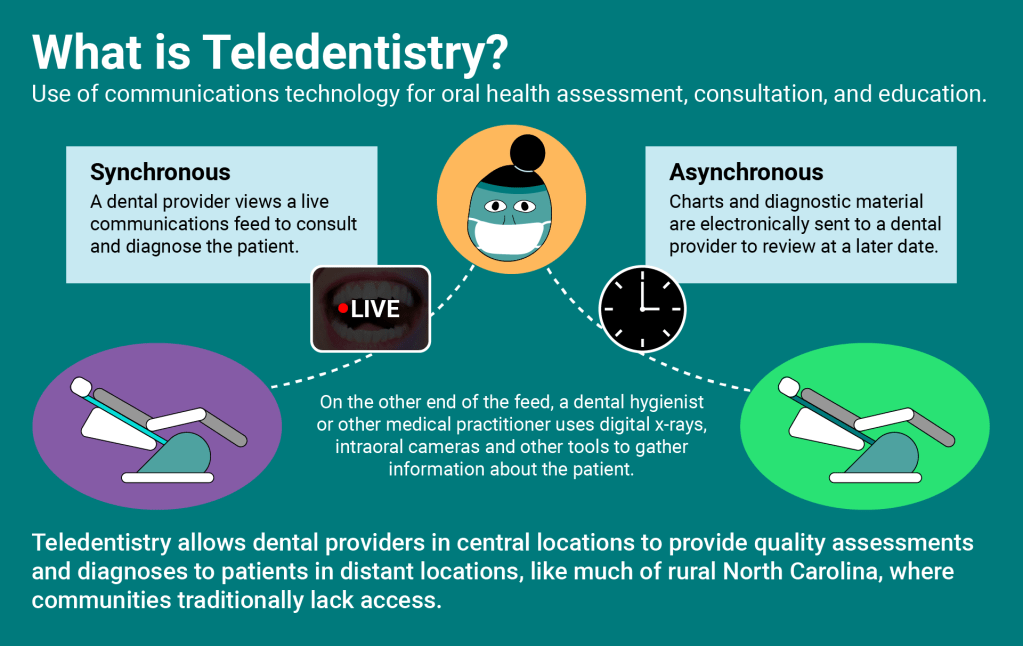
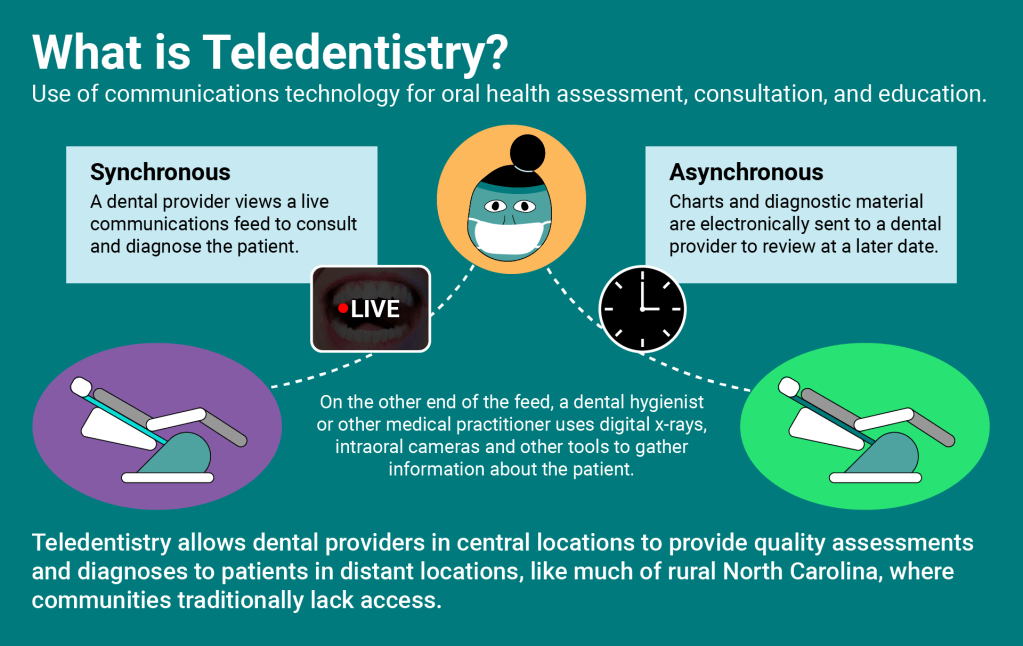
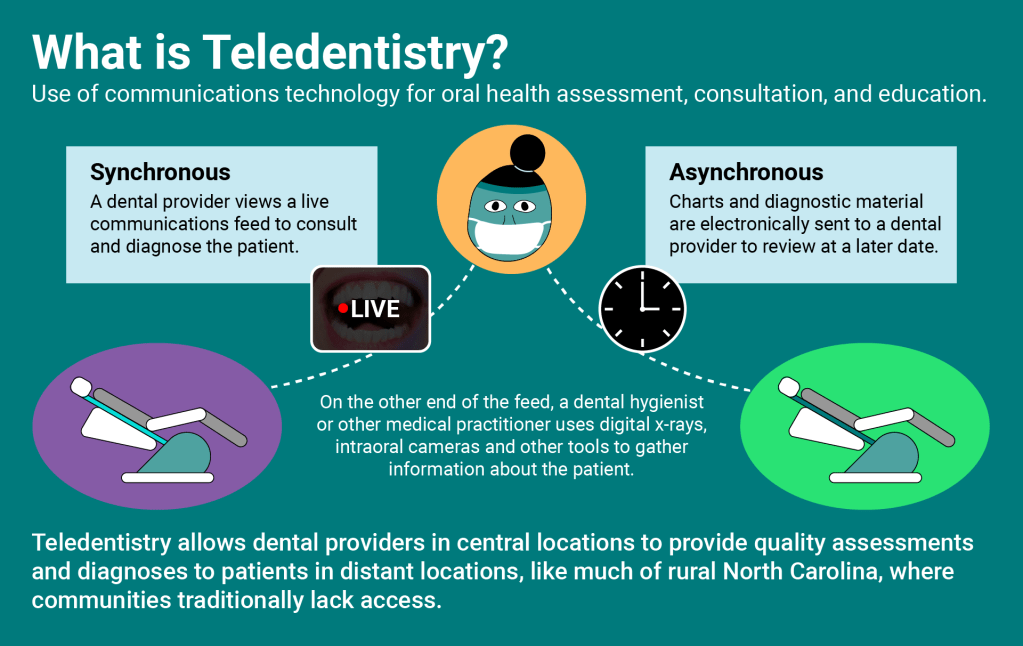
Telehealth dentistry, or teledentistry, is quickly becoming an integral part of modern oral health care. While remote consultations aren't entirely new, the pandemic dramatically accelerated its adoption. Dentists and patients alike discovered the convenience and efficiency of virtual appointments for certain aspects of care. For the graduating class of 2026, understanding this shift isn’t just beneficial, it’s becoming essential.
The dental industry is evolving. It’s moving beyond solely restorative work and increasingly recognizing the connection between oral health and overall systemic health. This holistic view lends itself well to telehealth, allowing for broader preventative care and patient education. The American Dental Association has been actively supporting the integration of teledentistry, recognizing its potential to improve access to care and streamline practice workflows.
Improved access, especially for individuals in rural or underserved communities, is a major driver of this expansion. People with limited mobility, transportation challenges, or those who simply prefer the convenience of remote care can now receive timely dental guidance. This doesn't mean replacing traditional dental visits entirely, but rather supplementing them and extending the reach of oral health services. A 2023 report from the Health Resources and Services Administration highlighted a 30% increase in telehealth utilization across all healthcare sectors – dentistry is following suit.
The appeal of dentistry also remains strong for those interested in a science-focused career with patient interaction. As noted in the Pikes Peak Community College Health Science Advising Guide, a concern for public health, enjoyment of scientific investigation, and a desire for professional independence make dentistry a good fit for many. Telehealth simply adds another dimension to this established career path.
Core Skills for the Teledentist
Clinical expertise remains the foundation of any dental career, but succeeding in teledentistry requires a broadened skillset. While you'll still need a strong understanding of oral anatomy, pathology, and treatment planning, the way you apply that knowledge changes in a remote setting. Communicating effectively through a screen is paramount. Explaining procedures, diagnosing issues, and building rapport with patients all require a different approach than in-person interaction.
Technological proficiency is non-negotiable. Teledentists must be comfortable using a variety of digital tools – from intraoral cameras and digital X-ray software to secure video conferencing platforms. Diagnostic acumen also shifts; interpreting images and patient-reported data becomes more critical when a physical examination isn’t possible. A keen eye for detail and the ability to synthesize information from multiple sources are essential.
Adaptability is, frankly, huge. The technology and regulations surrounding teledentistry are evolving rapidly. Dentists who are willing to embrace change and continuously learn will be best positioned for success. It's about being a lifelong learner and staying ahead of the curve. Patient management also looks different. You're guiding patients through self-assessments, troubleshooting technical issues, and ensuring they feel comfortable with the remote process.
Finally, understanding the legal and ethical landscape is crucial. Practicing across state lines raises complex issues related to licensing, liability, and patient privacy. Familiarity with state dental practice acts and HIPAA regulations is absolutely necessary. It's a rapidly evolving area, so ongoing education is key.
- Strong communication skills
- Technological proficiency
- Diagnostic acumen (visual data)
- Patient management (virtual setting)
- Adaptability
- Understanding of legal/ethical considerations
Emerging Career Paths: Beyond the Chair
Teledentistry isn’t just about dentists conducting virtual check-ups. It’s creating entirely new career paths within the dental industry. One growing area is Teledentistry Consulting. Practices are often unsure how to implement telehealth programs effectively, and consultants help them navigate the technology, workflow changes, and legal considerations. These roles require strong project management and communication skills.
We’re also seeing a rise in Remote Diagnostic Specialists. These professionals analyze digital images, X-rays, and patient records remotely, providing preliminary diagnoses and treatment recommendations to dentists. This allows dentists to focus on more complex procedures while ensuring timely care for patients. Accuracy and attention to detail are critical for these positions. The demand for this specialization will likely increase as more practices adopt digital workflows.
Virtual Oral Health Educators are another emerging role. These individuals provide preventative care guidance, oral hygiene instruction, and nutritional counseling remotely. They can work with individual patients or deliver group presentations online. This is a great option for dentists who enjoy patient education and community outreach. They can reach a far wider audience than traditional in-person sessions allow.
Perhaps most exciting is the growth of companies developing and supporting teledentistry platforms. Software developers, hardware specialists, and customer support representatives are all in high demand. Many startups are entering this space, creating opportunities for dentists with an entrepreneurial spirit. Furthermore, public health organizations are increasingly utilizing telehealth to reach underserved populations, offering another avenue for dentists interested in public service. It's a dynamic time, and being open to these new avenues is advantageous.
The Technology Stack: What You'll Need
At the heart of teledentistry lies a suite of technologies working together. Intraoral cameras are essential for capturing high-quality images of the patient’s mouth, allowing for remote visual examinations. Seamless integration with digital X-ray systems is also crucial for comprehensive diagnostics. These systems need to be compatible with the telehealth platform to allow for efficient data sharing.
Secure video conferencing platforms that comply with HIPAA regulations are a must. These platforms need to provide high-resolution video and audio, as well as features like screen sharing and file transfer. Many practice management software companies are now incorporating telehealth features directly into their systems, streamlining workflows and improving data security. Look for platforms that offer appointment scheduling, billing, and electronic health record integration.
AI-powered diagnostic tools are beginning to emerge, offering the potential to automate certain aspects of image analysis and improve diagnostic accuracy. While still in its early stages, this technology has the potential to significantly impact the future of teledentistry. Reliable internet access is, of course, fundamental – both for the dentist and the patient. Poor connectivity can disrupt appointments and compromise the quality of care.
I'm not yet prepared to recommend specific software packages, as the market is constantly evolving, but prioritize features like ease of use, security, integration with existing systems, and scalability. Understanding the basics of these technologies is vital, even if you don't become a technical expert. It's about knowing what's possible and how to leverage these tools to deliver the best possible care.
Qualitative Comparison of Teledentistry Platforms
| Feature | Platform A | Platform B | Platform C |
|---|---|---|---|
| Video Quality | Generally High | Good, can vary with bandwidth | Standard Definition - sufficient for basic exams |
| Image Sharing Capabilities | Excellent - supports high-resolution intraoral images | Good - supports common image formats | Basic - limited to standard photo formats |
| Integration with Practice Management Systems | Seamless with several major systems | Requires some manual data entry | Limited integration options |
| HIPAA Compliance | Built-in features and BAA readily available | Requires configuration and adherence to guidelines | User responsibility for HIPAA adherence |
| Ease of Use (Dentist) | Intuitive interface, minimal training required | Moderate learning curve | Requires dedicated training |
| Ease of Use (Patient) | Simple patient portal access | Patient app available, some technical assistance needed | Webcam-based, potential technical difficulties for some patients |
| Customer Support | 24/7 support available | Business hours support with online resources | Limited support options |
Qualitative comparison based on the article research brief. Confirm current product details in the official docs before making implementation choices.
Reimbursement and Legal Considerations
Navigating the reimbursement landscape for teledentistry services can be complex. Currently, insurance coverage varies significantly by state and insurance provider. Some states have adopted parity laws, requiring insurers to reimburse teledentistry services at the same rate as in-person visits, but this is not universal. It’s essential to verify coverage with each patient’s insurance plan before providing remote care.
Understanding state dental practice acts and regulations is equally important. Each state has its own rules regarding remote diagnosis, treatment, and prescribing. Practicing across state lines can be particularly challenging, as you may need to be licensed in multiple states. The potential for interstate compacts to streamline licensing is being explored, but progress has been slow.
Informed consent is paramount. Patients need to understand the limitations of teledentistry and the potential risks and benefits. It's crucial to document the consent process thoroughly. Patient privacy must also be protected in accordance with HIPAA regulations. Secure video conferencing platforms and encrypted data transmission are essential for maintaining confidentiality. This is a bit of a legal minefield, and dentists should proceed with caution.
It’s advisable to consult with legal counsel specializing in healthcare regulations to ensure compliance with all applicable laws and guidelines. Staying up-to-date on the latest changes in reimbursement policies and regulations is an ongoing responsibility.
Education and Training Opportunities
For 2026 graduates, acquiring the necessary skills for telehealth dentistry will require proactive effort. Continuing education courses focused on teledentistry are becoming increasingly available. The American Dental Association (ADA) offers resources and training programs for members. Look for courses that cover topics such as remote diagnosis, teledentistry workflow, legal and ethical considerations, and the use of relevant technologies.
Specialized training programs and workshops are also emerging. These programs often provide hands-on experience with teledentistry equipment and software. While dedicated teledentistry residencies are still relatively rare, some programs are beginning to incorporate teledentistry into their curricula. It's worth researching programs that offer exposure to remote care modalities.
Resources from organizations like the American Telemedicine Association (ATA) can also be valuable, even though they aren’t dentistry-specific. They offer insights into telehealth best practices and regulatory issues. I anticipate that universities will gradually integrate more teledentistry into their dental school curricula, but for now, self-directed learning and continuing education are essential.
Staying up-to-date with the latest technological advancements is an ongoing process. The field is evolving quickly, and new tools and techniques are constantly being developed. Participating in webinars, attending conferences, and reading industry publications are all ways to stay informed.
Future Trends: What's on the Horizon?
The future of telehealth dentistry is brimming with potential. AI-powered diagnostics are poised to revolutionize remote care, automating image analysis and improving diagnostic accuracy. This could lead to earlier detection of oral health problems and more personalized treatment plans. Remote monitoring of oral health using wearable sensors and other devices is also gaining traction.
Integration of telehealth with other healthcare services is another key trend. Imagine a future where dentists can collaborate with physicians and other healthcare providers remotely to provide comprehensive care. This could lead to better coordination of care and improved patient outcomes. The rise of personalized medicine, driven by genetic testing and data analytics, will further enhance the effectiveness of remote care.
The rollout of 5G and other high-speed wireless technologies will enable even more sophisticated telehealth applications. Faster data transfer rates and lower latency will improve the quality of video conferencing and facilitate the use of real-time diagnostics. We may also see the development of virtual reality (VR) and augmented reality (AR) tools for remote dental education and patient communication.
I suspect we’ll see a shift towards more preventative care delivered remotely, with a focus on personalized oral hygiene instruction and early detection of risk factors. It's an exciting time to be entering the field, but it’s also important to be prepared for constant change and a willingness to adapt. The dentists who embrace these new technologies and approaches will be best positioned to thrive in the evolving landscape of oral health care.

No comments yet. Be the first to share your thoughts!