

Start with the prerequisite courses
The first hurdle in your dental school journey is completing the specific undergraduate coursework required for admission. While many applicants worry about choosing the "right" major, dental schools generally do not require a specific degree. You can major in anything from engineering to music, provided you complete the required science and humanities courses.
The core curriculum typically includes a year of biology with laboratory components, general chemistry with labs, organic chemistry with labs, and physics with labs. These foundational sciences ensure you have the academic background to handle the rigorous curriculum of dental school. According to the American Dental Education Association (ADEA), these subjects form the baseline for candidate preparation ADEA Prerequisites.
Beyond the hard sciences, most programs require coursework in English composition or humanities. Some schools also ask for biochemistry, anatomy, or statistics. For example, Texas A&M University College of Dentistry lists statistics and English as mandatory components alongside the core sciences Texas A&M Dentistry. Because requirements vary slightly between institutions, you must check the specific prerequisites for each school on your list.
UCLA School of Dentistry, for instance, requires at least three years of undergraduate coursework, though the majority of successful applicants have completed four years UCLA Dentistry. This flexibility allows you to tailor your undergraduate experience while ensuring you meet the academic benchmarks. Focus on mastering these courses rather than worrying about your major title.
Prepare for the Dental Admission Test
The Dental Admission Test (DAT) is a standardized exam required by nearly all accredited dental schools in the United States and Canada. It serves as a critical benchmark for admissions committees, helping them compare applicants from diverse undergraduate institutions. While undergraduate GPA reflects your consistency in coursework, the DAT provides a standardized measure of your scientific knowledge and academic aptitude.
Understanding the DAT Structure
The exam is divided into four distinct sections: Natural Sciences, Perceptual Ability, Reading Comprehension, and Quantitative Reasoning. The Natural Sciences section is often the most heavily weighted, covering biology, general chemistry, and organic chemistry. This aligns with the prerequisite undergraduate courses you should have completed, such as biology and chemistry labs, which form the foundation of dental education.
The Perceptual Ability Test (PAT) is unique to the DAT and assesses your spatial visualization skills. These skills are directly relevant to dental procedures, where understanding three-dimensional anatomy and manipulating instruments in a confined space are essential. A strong score here can demonstrate your potential to succeed in clinical simulations and hands-on lab work.
When to Take the Exam
Timing is crucial. Most dental schools require DAT scores to be submitted by specific deadlines, often in the fall before matriculation. The University of Washington School of Dentistry, for example, advises taking the test by the November 1 deadline to ensure your application is complete. Taking the exam too early may result in scores expiring before your application cycle, while waiting too long can delay your entire admissions timeline.
Strategic Preparation
Dedicated study time is non-negotiable. Most successful candidates spend 8 to 12 weeks preparing, focusing on weak areas identified through diagnostic practice tests. Because the DAT covers material from multiple undergraduate science courses, a structured review plan helps ensure you retain key concepts in organic chemistry and biology. Treat the DAT not just as a hurdle, but as a comprehensive review of the scientific principles you will apply in dental school.
Build your application profile
Your GPA and DAT scores get you past the initial filter, but your profile determines where you land in the final review. Admissions committees look for evidence that you understand the profession and have the interpersonal skills to succeed in clinical settings. Building this profile requires a deliberate sequence of shadowing, securing strong letters, and crafting a narrative that ties your experiences together.
Shadowing and clinical exposure
Most schools require a minimum number of observation hours to prove you are making an informed career choice. The University of Louisville School of Dentistry, for example, mandates at least 40 hours of dental observation in a general dentistry setting [1]. This is not a checkbox exercise; it is your chance to witness the daily realities of patient care, from routine cleanings to complex restorative work.
Aim to shadow in diverse environments if possible. Observing a general practitioner offers a broad view of patient management, while specialty exposure can highlight specific interests. Keep a log of your hours and note specific cases or patient interactions that resonated with you. These details will become essential material for your personal statement later.
Letters of recommendation
Strong letters of recommendation provide third-party validation of your aptitude and character. Most dental schools require a committee letter from your undergraduate institution or individual letters from faculty members who know you well. Science professors can speak to your academic rigor, while non-science instructors or supervisors from volunteer work can highlight your communication skills and work ethic.
Request these letters early, ideally at the end of your junior year or before you submit your application. Provide your recommenders with your CV, a draft of your personal statement, and a summary of your achievements so they can write specific, detailed endorsements. Generic letters are easily spotted and do little to distinguish you from other candidates.
Crafting your personal statement
Your personal statement is the only place where you can directly address the committee with your own voice. It should explain why you want to be a dentist, connecting your shadowing experiences, volunteer work, and academic journey into a coherent narrative. Avoid generic phrases about "helping people" or "loving science." Instead, focus on specific moments that solidified your decision.
Structure your essay to show, not just tell. Describe a challenging patient interaction or a moment of clinical insight that taught you something about empathy or resilience. Keep the tone professional yet personal, and ensure every paragraph adds new information or perspective. This document is your chance to show the human behind the numbers.
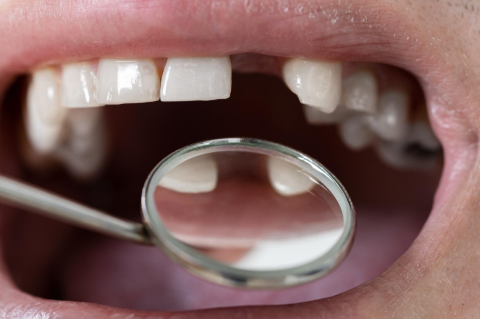
Begin shadowing in your freshman or sophomore year to accumulate hours and gain perspective before applying.
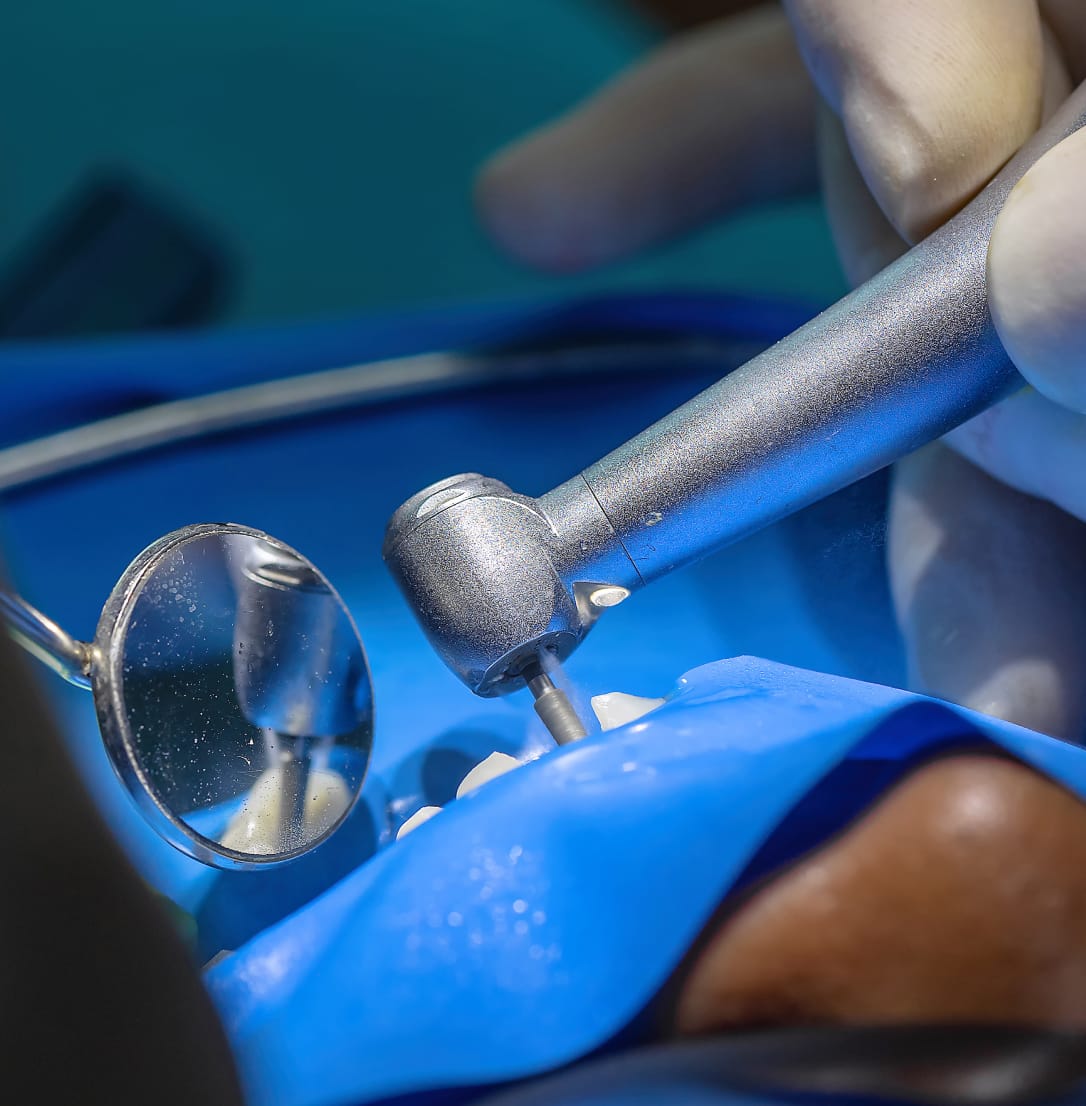
Ask professors and supervisors at least two months before the application deadline to ensure thoughtful, detailed letters.
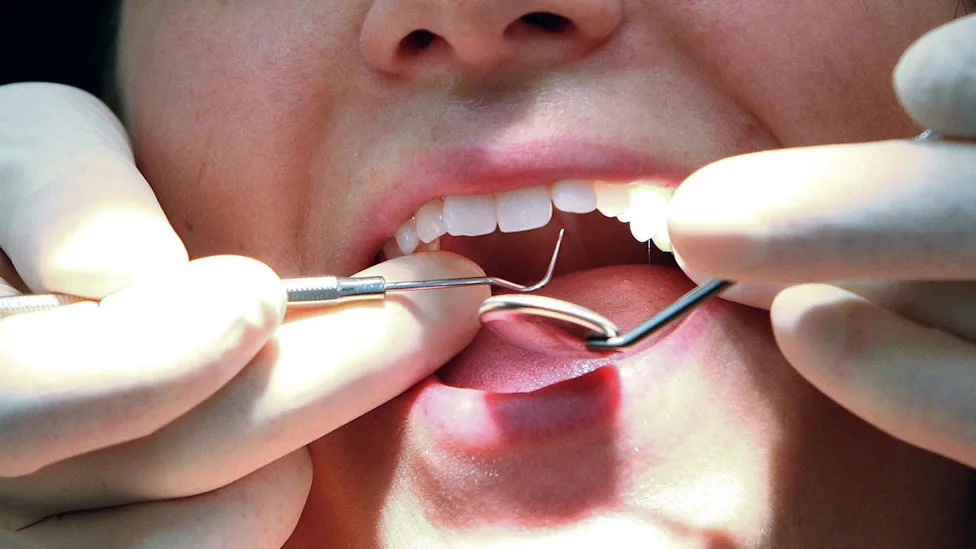
Write multiple drafts of your personal statement, seeking feedback from mentors who understand the admissions process.
Submit through the centralized service
The ADEA manages the AADSAS application, a centralized platform used by nearly all U.S. dental schools. Instead of applying to each school individually, you submit one application that distributes your credentials to participating programs. This process consolidates your personal information, academic history, and letters of recommendation into a single portal.
Create your AADSAS account and fill out the application
Begin by registering for an AADSAS account and completing the biographical section. You will need to enter your educational history, work and volunteer experiences, and activities. Accuracy here is critical because this data feeds into the verification process. Treat the application form like a legal document; any discrepancies between what you report and your official transcripts can cause delays or rejection.
Order official transcripts for verification
You must request official transcripts from every college and university you have attended, even if you only took a single course there. AADSAS requires these documents to verify the grades you entered in your application. Send them directly to AADSAS, not to individual dental schools. The verification process typically takes six to eight weeks, so order early to avoid bottlenecks.
Submit letters of recommendation
Dental schools generally require letters from faculty members who have taught you in science courses, as well as letters from dentists who have supervised your shadowing or work experience. Upload these directly to your AADSAS profile. Ensure your recommenders submit their letters before you hit submit on your application, as missing letters can render your application incomplete.
Pay fees and submit before the deadline
Review your entire application for errors, then submit it electronically. AADSAS charges a base fee for the first school and additional fees for each subsequent school. While you can submit early, aim to complete your application by June or July to ensure it is processed before schools begin reviewing applications in late summer. Early submission signals strong organizational skills and respect for the admissions timeline.
-
Completed biographical and experience sections
-
Official transcripts from all institutions
-
Letters of recommendation uploaded
-
Application fee payment confirmed
Common questions about dental school requirements
Applicants often ask which undergraduate major is best for dental school. The short answer is that there is no single required major. Dental schools accept students from any discipline, provided they complete the necessary science prerequisites.
However, the coursework itself is strictly defined. According to the ADEA, candidates must complete undergraduate courses with labs in biology, general chemistry, organic chemistry, and physics. Most schools also require a year of English or writing classes to ensure communication skills are sharp.
Because the curriculum is standardized, many students choose majors in biology or chemistry to align their major requirements with these prerequisites. Others choose unrelated fields like psychology or engineering and take the science classes as electives. The key is to maintain a high GPA in the science courses, as these are heavily weighted in admissions reviews.
No comments yet. Be the first to share your thoughts!