

Dentistry in 2026: A changing field
Dentistry is changing. Digital technologies are becoming more common, demand for specialized care is growing, and patients are more informed. This isn't your grandfather's dentistry.
This shift is driven by several factors. Advances in materials science are giving us stronger, more aesthetic restorative options. Imaging technology, like cone-beam computed tomography (CBCT), is providing more detailed diagnostic information. And the increasing awareness of the link between oral and systemic health means dentists are playing a larger role in overall patient wellbeing.
For prospective students, 2026 is an interesting time to consider dentistry. The field is stable with consistent demand, but also dynamic and intellectually stimulating. It combines scientific knowledge with artistic skill and allows for building patient relationships. However, it demands continuous learning and adaptation.
The patient demographic is also changing. An aging population means more patients needing geriatric dental care, including dentures and implants. Simultaneously, a greater emphasis on preventative care means a need for dentists who can educate and motivate patients to maintain good oral hygiene. This requires strong communication skills alongside clinical expertise.

Pre-dental roadmap: Undergraduate preparation
Laying the groundwork for a successful dental school application starts during your undergraduate studies. There isn’t one single "pre-dental" major, but a strong science background is absolutely essential. Expect to take a rigorous course load including two semesters each of general biology, general chemistry, organic chemistry, and physics. A solid foundation in mathematics, including calculus and statistics, is also expected.
Competitive applicants to top dental schools typically have a GPA of 3.5 or higher. However, a high GPA alone isn’t enough. Dental schools are looking for well-rounded individuals who demonstrate academic excellence and a commitment to service and leadership. The average GPA for matriculants to US dental schools in 2023 was 3.64 according to the ADEA.
Extracurricular activities are a crucial part of your application. Volunteering, especially in a dental setting, shows your dedication to the profession. Shadowing dentists in different specialties provides valuable insight into the realities of practice. Research experience, even if it’s not directly related to dentistry, demonstrates your scientific aptitude.
Don’t underestimate the importance of the Dental Admission Test (DAT). This standardized exam assesses your knowledge in natural sciences, perceptual ability, reading comprehension, and quantitative reasoning. Preparation is key, and many students invest in dedicated DAT prep courses or self-study materials. Start thinking about the DAT early – ideally, during your junior year – to allow ample time for preparation.
- Biology: Two semesters with lab
- General Chemistry: Two semesters with lab
- Organic Chemistry: Two semesters with lab
- Physics: Two semesters with lab
- Mathematics: Calculus I & II, Statistics
Decoding the DAT: What to expect
The Dental Admission Test (DAT) is a significant hurdle in the application process. It’s a computer-based exam administered by the American Dental Association (ADA). The exam consists of four sections: Survey of the Natural Sciences (100 minutes), Perceptual Ability Test (90 minutes), Reading Comprehension (60 minutes), and Quantitative Reasoning (45 minutes).
The Survey of the Natural Sciences section tests your knowledge of biology, general chemistry, and organic chemistry. Expect a mix of recall-based questions and application-based problems. The Perceptual Ability Test assesses your ability to visualize and manipulate objects in 2D and 3D space – this is often the most challenging section for students. Practice is essential.
Reading Comprehension evaluates your ability to understand and analyze complex texts. Quantitative Reasoning tests your mathematical skills, including algebra, statistics, and data interpretation. A realistic study timeline is 3-6 months, dedicating at least 20-30 hours per week to preparation. Resources include DAT prep courses from companies like Kaplan and Princeton Review, as well as practice tests from the ADA.
A common DAT pitfall is neglecting the perceptual ability section. Many students underestimate its importance and don’t dedicate enough time to practice. Another mistake is trying to cram everything in at the last minute. Consistent, spaced repetition is far more effective than intensive last-minute studying. Your DAT score is a major factor in admissions, so invest the time and effort to prepare thoroughly.
- Survey of the Natural Sciences: Biology, General Chemistry, Organic Chemistry
- Perceptual Ability Test: 3D visualization, pattern recognition
- Reading Comprehension: Critical reading, passage analysis
- Quantitative Reasoning: Algebra, statistics, data interpretation
Dental school: The four-year journey
Dental school is a demanding but rewarding four-year program. The first two years are typically focused on basic sciences – anatomy, physiology, biochemistry, pharmacology, and microbiology. You’ll spend a lot of time in the classroom and laboratory, building a strong foundation in the biological and medical principles underlying dental practice.
The second two years transition to preclinical and clinical work. Preclinical work involves practicing procedures on mannequins, developing your dexterity and technique. Clinical rotations involve treating patients under the supervision of experienced faculty members. You’ll gradually take on more responsibility as your skills develop.
Dental school curricula increasingly integrate digital dentistry. Students learn CAD/CAM systems for crowns and bridges, digital imaging for diagnosis, and many schools now use 3D printing.
Dental school is challenging, with a heavy workload and intense pressure. The financial burden is significant; public schools are cheaper but more competitive. Developing time management, a support network, and prioritizing well-being are crucial. The average debt for dental school graduates in 2023 was over $300,000, according to the ADA.
Specialty paths: Beyond general dentistry
While general dentistry is a fulfilling career path, many dentists choose to specialize in a particular area of practice. This requires completing an additional 2-6 years of residency training after dental school. The most common specialties include Orthodontics (straightening teeth), Endodontics (root canal therapy), Periodontics (gum disease treatment), and Oral and Maxillofacial Surgery (surgical procedures of the mouth, jaw, and face).
Prosthodontics focuses on restoring damaged teeth with crowns, bridges, and implants. Pediatric Dentistry specializes in the dental care of children. Public Health Dentistry focuses on improving oral health at the community level. Each specialty has its unique demands and rewards.
Competition for residency programs is often intense, particularly in the more popular specialties like Orthodontics and Oral Surgery. Factors considered during the residency application process include your dental school grades, DAT scores, research experience, and letters of recommendation. Board certification is required to practice as a specialist.
Career outlook and income vary by specialty. Oral and Maxillofacial Surgeons typically earn the most, followed by Orthodontists and Endodontists, though all specialties offer good earning potential. Choose a specialty that aligns with your interests, skills, and goals. Consider the lifestyle, as some require on-call hours and emergency coverage.
- Orthodontics: Straightening teeth
- Endodontics: Root canal therapy
- Periodontics: Gum disease treatment
- Oral and Maxillofacial Surgery: Surgical procedures of the mouth, jaw, and face
- Prosthodontics: Restoring damaged teeth
- Pediatric Dentistry: Dental care for children
- Public Health Dentistry: Community oral health
Dental Specialties: A Comparative Overview (2026 Outlook)
| Specialty | Additional Training (Years) | Typical Patient Demographic | Work-Life Balance | Average Salary Range |
|---|---|---|---|---|
| General Dentistry | 0-2 (Residency optional) | All ages, diverse needs | Medium to High | Varies widely, $150,000 - $300,000+ |
| Endodontics | 2-3 | Adults requiring root canal treatment & complex dental trauma care | Medium | $200,000 - $350,000+ |
| Oral & Maxillofacial Surgery | 4-6+ | Patients needing surgical intervention – trauma, tumors, reconstructive surgery, implants | Low to Medium | $250,000 - $400,000+ |
| Orthodontics & Dentofacial Orthopedics | 2-3 | Children, adolescents, and adults seeking teeth alignment | Medium | $200,000 - $350,000+ |
| Pediatric Dentistry | 2-3 | Infants, children, and adolescents | Medium | $170,000 - $280,000+ |
| Periodontics | 3 | Adults with gum disease and those needing implant placement | Medium | $220,000 - $380,000+ |
| Prosthodontics | 3 | Patients needing restorative and cosmetic dentistry – crowns, bridges, dentures, implants | Medium | $200,000 - $350,000+ |
| Public Health Dentistry | 2 (MPH often required) | Underserved communities, focusing on preventative care and population health | Medium to High | $120,000 - $200,000+ |
Illustrative comparison based on the article research brief. Verify current pricing, limits, and product details in the official docs before relying on it.
Licensing and practice: Getting started
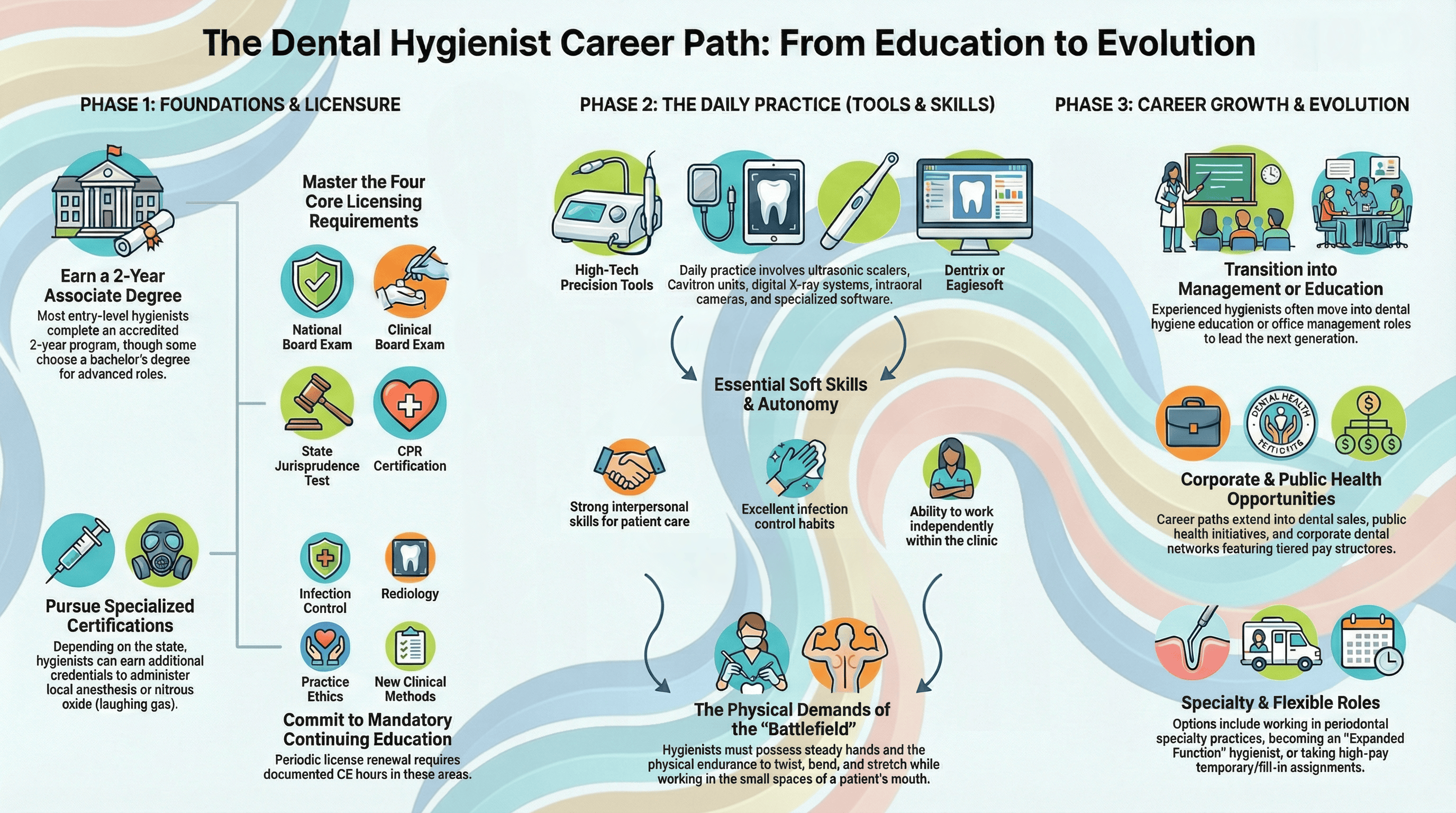
After graduating from dental school, you must obtain a dental license to practice. This typically involves passing the National Board Dental Examinations (NBDE) – a written examination covering the core dental sciences – and a clinical examination. The NBDE is administered by the Joint Commission on National Dental Examinations.
Each state has its own specific licensing requirements. In Delaware, for example, you must pass both parts of the NBDE, complete a clinical examination, and submit an application to the Delaware State Board of Dentistry (dpr.delaware.gov). The Board reviews your credentials and verifies your qualifications.
Once licensed, you can practice in various settings. Private practice (solo or group) is most common. Corporate dentistry, working for a large organization, is increasingly popular. Public health clinics and academic institutions are other options.
Running a dental practice involves more than just clinical skills. You’ll need to manage finances, handle insurance billing, and comply with legal regulations. Practice management software can help streamline these tasks. Staying current with the latest advancements in dentistry is also essential, requiring ongoing continuing education.
Financial realities: Debt and income
Becoming a dentist is a significant financial investment. Dental school tuition is high, and many students graduate with substantial debt. The average dental school debt for the class of 2023 was over $300,000, according to the ADA. It’s crucial to carefully consider the financial implications of a dental career.
Strategies for managing debt include applying for scholarships, seeking loan repayment programs (such as the Public Service Loan Forgiveness program), and developing a realistic budget. Financial planning is essential for long-term financial stability.
Dentist salaries vary by location, specialty, and experience. The median annual wage was $163,220 in May 2023 (Bureau of Labor Statistics). Specialists generally earn more than general dentists, but income isn't the only factor.
A dental career offers a comfortable lifestyle, but requires realistic cost-benefit analysis. The years of education and debt demand careful planning. For those passionate about oral health, the rewards can be well worth the investment.
Future trends: Technology and innovation
The future of dentistry is being shaped by rapid technological advancements. 3D printing is revolutionizing the fabrication of dental restorations, allowing for faster, more precise, and more cost-effective treatments. Artificial intelligence (AI) is being used for diagnostics, treatment planning, and even robotic surgery.
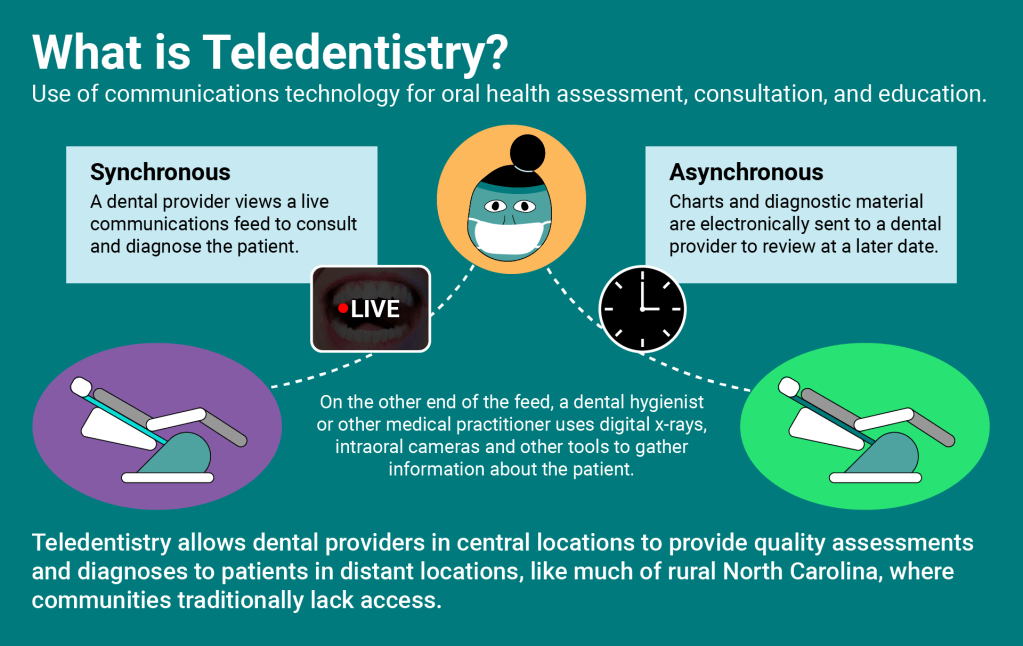
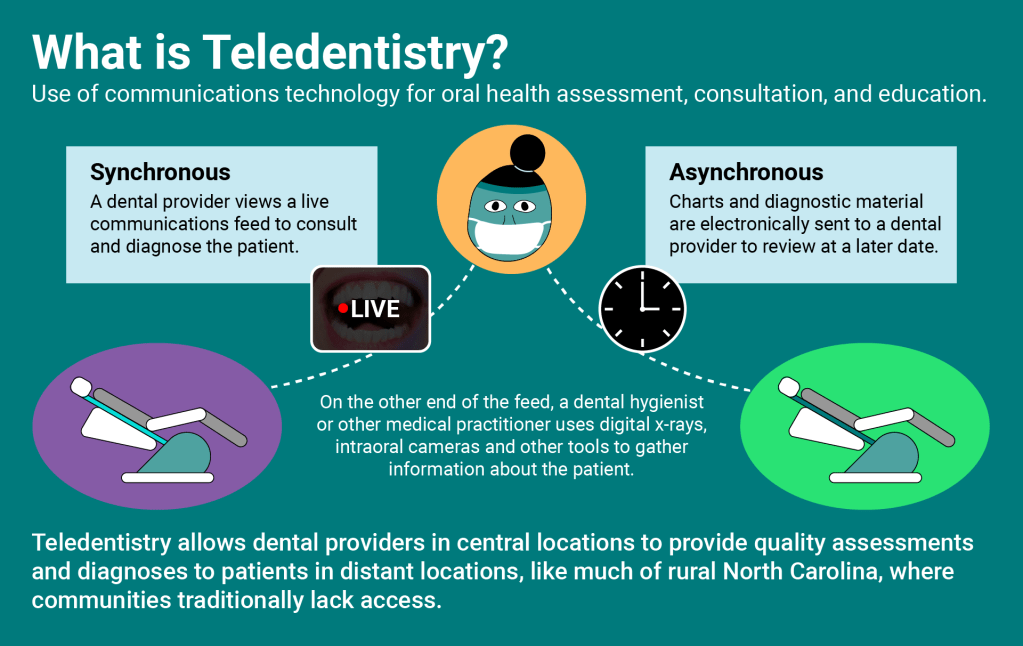
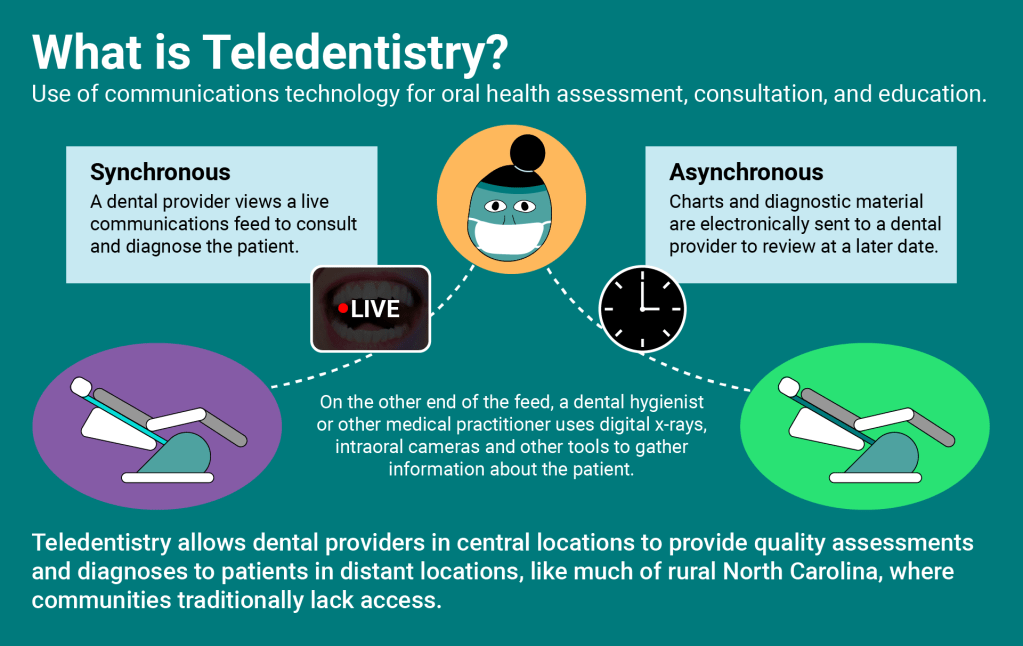
Teledentistry, providing remote dental care via video conferencing, expands access, especially in underserved areas.. Regenerative dentistry, which focuses on repairing damaged tissues, holds promise for treating conditions like tooth decay and gum disease.
These advancements will require dentists to adapt and embrace new skills. Proficiency in digital technologies, data analysis, and AI will become increasingly important. Continuing education will be essential for staying current with these changes.
The dentist of the future will be a highly skilled clinician, a technology expert, and a compassionate caregiver. It’s an exciting time to enter the profession, with endless opportunities for innovation and growth.
No comments yet. Be the first to share your thoughts!