

The Shifting Landscape of Dental Admissions
Dental education is on the cusp of a significant transformation. Technology, particularly artificial intelligence, is poised to reshape dental school requirements by 2026, and the changes are already beginning to surface. We’re seeing a convergence of factors driving this evolution. The sheer number of applicants to dental school continues to rise, creating more competition for limited spots.
Simultaneously, there’s a growing demand for dentists who possess not only strong theoretical knowledge but also highly refined practical skills. Traditional methods of teaching, while still valuable, are increasingly supplemented – and in some cases, replaced – by technology-driven approaches. This isn’t about abandoning established principles; it’s about enhancing them.
AI offers the potential to personalize learning experiences, tailoring curriculum to individual student needs and pacing. This move toward individualized education is a key driver of the changes we're anticipating. It’s a response to the understanding that not all students learn in the same way, and that targeted instruction can yield better outcomes. I believe this will be the defining characteristic of dental education in the coming years.
DAT Evolution: Skills Beyond Knowledge
The Dental Admission Test (DAT) has long been a gatekeeper to dental school, and it's likely to undergo changes reflecting the new emphasis on skills beyond rote memorization. While the core science sections – biology, general chemistry, organic chemistry, and quantitative reasoning – will remain vital, we can expect a greater focus on assessing critical thinking, perceptual ability, and problem-solving skills.
I anticipate a shift towards more scenario-based questions that require applicants to apply their knowledge to real-world clinical situations. Ethical reasoning, particularly regarding the use of AI in diagnostics and treatment planning, could also become a component of the exam. The ability to analyze complex information and make sound judgments will be paramount.
The University of Southern California’s Herman Ostrow School of Dentistry (dentistry.usc.edu) currently requires applicants to take the DAT no later than February 1 of the application year. While this date may not change directly due to the AI shift, the content of the exam is almost certainly evolving. Dental schools are looking for well-rounded candidates, and the DAT is adapting to reflect that.
- Strong performance in core sciences
- Demonstrated critical thinking abilities
- Ethical reasoning skills
- Problem-solving aptitude
Virtual Reality & Simulated Practice
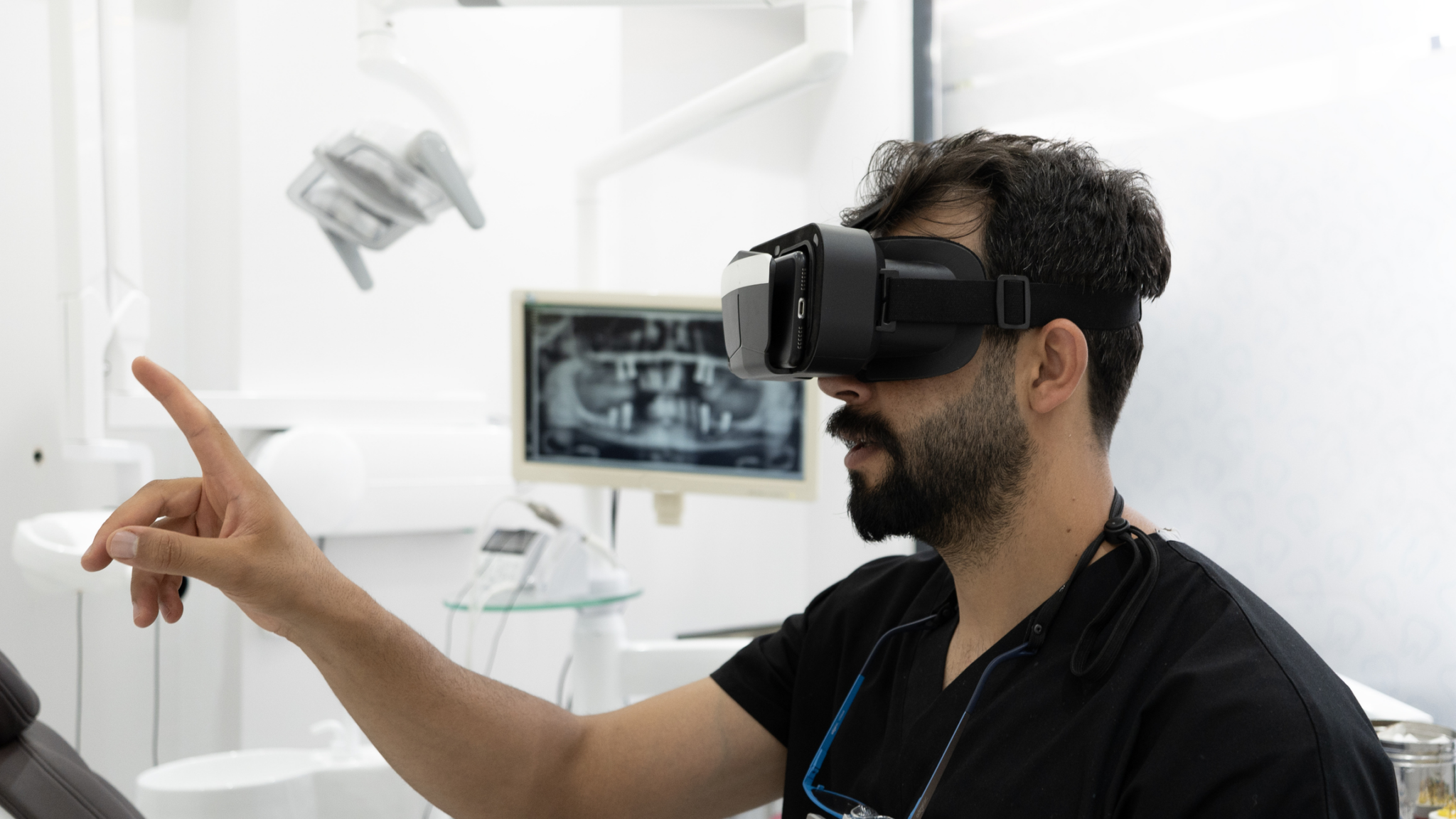
Virtual reality (VR) and simulation are rapidly becoming integral parts of dental education. These technologies allow students to practice procedures in a safe, controlled environment, without the risk of harming patients. This is particularly valuable for complex procedures like extractions, root canals, and implant placement.
The benefits extend beyond safety. VR simulations can provide immediate feedback on technique, highlighting areas for improvement. They also allow students to repeat procedures as many times as necessary to achieve proficiency. This kind of repetitive practice is simply not feasible with live patients.
What’s particularly exciting is the potential for AI-powered simulations. Imagine a VR environment that adapts to a student’s skill level, increasing the difficulty as they improve. AI can also provide personalized guidance, identifying specific areas where a student is struggling and offering tailored exercises. This is a game-changer for pre-clinical training.
Several dental schools are already investing heavily in VR labs. We're seeing a move away from solely relying on manikins and towards immersive, interactive learning experiences. This trend will only accelerate in the coming years, and proficiency with these tools will be a key expectation for incoming students.
AI-Assisted Diagnostics: A New Skillset
Artificial intelligence is increasingly being used to analyze dental radiographs – X-rays – and identify potential issues like cavities, bone loss, and periodontal disease. AI algorithms can often detect subtle changes that might be missed by the human eye, leading to earlier and more accurate diagnoses.
However, AI is not meant to replace dentists. It’s a tool to augment their abilities. Dental students will need to learn how to interpret AI-generated reports, understand the limitations of the technology, and validate the findings. Critical thinking and clinical judgment remain essential.
I'm not sure which specific AI diagnostic tools will become industry standards, but the ability to work effectively with these technologies will undoubtedly be a core competency for future dentists. This includes understanding the principles behind the algorithms, recognizing potential biases, and knowing when to seek a second opinion.
This skillset extends beyond simply reading a report. Students will need to understand how AI arrives at its conclusions, and how to integrate that information into a comprehensive treatment plan. It’s about embracing AI as a partner, not a replacement.
- Interpreting AI-generated reports
- Understanding AI algorithm limitations
- Validating AI findings with clinical judgment
- Integrating AI insights into treatment plans
Digital Impression & CAD/CAM Proficiency
Digital impressions and Computer-Aided Design/Computer-Aided Manufacturing (CAD/CAM) technology are rapidly replacing traditional methods of taking impressions and fabricating dental restorations. This technology allows for greater precision, efficiency, and patient comfort. It’s no longer a futuristic concept; it’s standard practice in many modern dental offices.
Dental schools are responding by incorporating digital dentistry into their curriculum. Students are learning how to use intraoral scanners to create digital impressions, design restorations using CAD software, and mill those restorations using CAM machines. This is a significant shift from the traditional "hands-on" approach of carving wax patterns.
Mastering these technologies is no longer a 'nice-to-have' skill; it’s essential for graduates entering the workforce. Employers expect new dentists to be proficient in digital workflows, and patients are increasingly demanding these advanced treatment options. The learning curve can be steep, but the benefits are undeniable.
The Rise of Teledentistry Competencies
Teledentistry – the use of telecommunications technology to deliver dental care remotely – is experiencing significant growth. This is driven by factors like increased access to care, particularly in rural areas, and the convenience it offers to patients. The COVID-19 pandemic also accelerated the adoption of teledentistry.
Dental students will need to develop a new set of skills to practice teledentistry effectively. This includes learning how to conduct remote consultations, assess patients using video conferencing, and provide treatment advice online. They’ll also need to understand the ethical and legal considerations of practicing dentistry remotely.
I think teledentistry will become a significant part of standard practice in the future, particularly for follow-up appointments, consultations, and oral health education. Being comfortable with these technologies and understanding the regulatory landscape will be crucial for success.
Data Analytics & Patient Management Systems
Modern dental practice generates a wealth of data – patient demographics, treatment plans, clinical notes, financial information, and more. Understanding how to analyze this data is becoming increasingly important for improving practice efficiency and patient outcomes.
Dental schools are beginning to teach students how to use patient management systems to track patient data, analyze treatment trends, and identify areas for improvement. This goes beyond simply charting treatments; it’s about understanding the overall health of the practice and making data-driven decisions.
For example, data analytics can help dentists identify which treatments are most effective for specific patient populations, optimize appointment scheduling, and improve patient retention rates. It’s about using information to deliver better care and run a more successful practice.
Penn Dental Medicine's 2026 Preparations
Penn Dental Medicine (dental.upenn.edu) is actively preparing for the evolving landscape of dental education. While the school continually updates its curriculum to incorporate new technologies and best practices, even traditional aspects of operations are adapting. The recent announcement of a closure on February 23, 2026, due to inclement weather, with a shift to online didactic classes, demonstrates this flexibility.
This isn’t simply about switching to remote learning in response to a temporary disruption; it’s about building a resilient and adaptable educational model. Penn Dental Medicine, like other leading institutions, is investing in VR simulation labs, AI-powered diagnostic tools, and digital dentistry technologies to ensure its graduates are well-prepared for the challenges and opportunities of the future.
No comments yet. Be the first to share your thoughts!