

The shift toward greener dentistry
Dentistry creates a lot of trash. Between the water used for sterilization and the mountain of single-use plastics, our environmental footprint is heavy. I've noticed patients asking more questions about where their waste goes. They aren't just looking for a clean smile anymore; they want to know their healthcare doesn't come at the expense of the local ecosystem.
This isn't simply a matter of public relations, although that’s a benefit. It’s a professional responsibility. Dentistry Guidelines believes that embracing sustainability is about long-term viability, both for our practices and for the environment. The American Dental Association (ada.org) has begun to acknowledge this, offering resources on practice management that touch on resource conservation, though the focus is still developing.
Going green actually saves money. When you cut water and energy use, your overhead drops. I've seen practices recoup the cost of high-efficiency tech faster than expected through lower utility bills and reduced supply waste. It isn't just about ethics; it's about running a leaner office.
The demand for sustainable options is growing. A 2023 study by the Cone Communications found that 87% of consumers are more likely to purchase from a company with a strong social or environmental commitment. While this study wasn't specific to dentistry, the trend is clear. Patients are paying attention, and they’re making choices based on values.
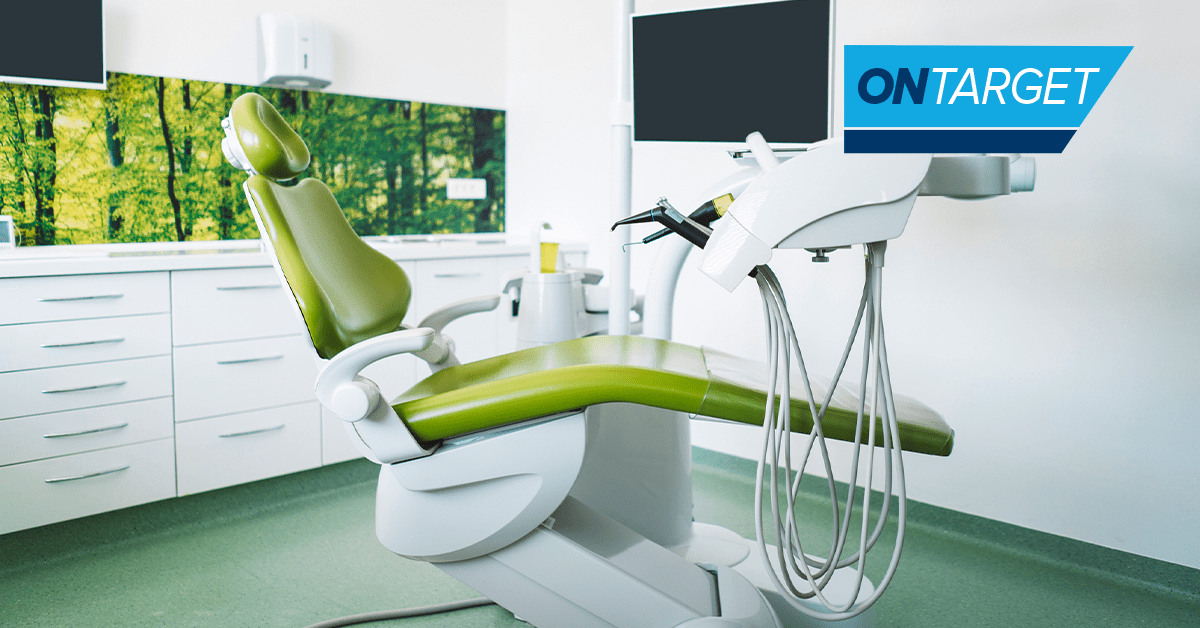
Cutting water waste in the operatory
Dental practices are notoriously water-intensive. Sterilization of instruments, handpiece cooling, and patient rinsing all contribute to a substantial daily water usage. The average dental operatory can use up to 4 gallons of water per minute. That adds up quickly, and it’s an area where significant reductions can be made. The ADA offers guidance on water conservation, but often it’s broad recommendations rather than specific implementation strategies.
One of the most impactful changes is investing in low-flow dental equipment. Modern dental chairs, handpieces, and ultrasonic scalers are available with significantly reduced water consumption rates. Replacing older models with these newer, more efficient options can yield substantial savings. Similarly, optimizing sterilization techniques is critical. Closed-system sterilization units, for example, use considerably less water than traditional methods.
Water recycling systems are another avenue to explore, though the initial investment can be significant. These systems collect and treat water from various sources within the practice, allowing it to be reused for non-potable purposes like rinsing and irrigation. The payback period for these systems varies depending on water costs and usage patterns, but can range from 3 to 7 years.
Simple changes also make a difference. Training staff to be mindful of water usage, implementing automatic shut-off valves on faucets, and regularly checking for leaks can all contribute to a smaller water footprint. Consider installing aerators on faucets to reduce flow without sacrificing water pressure. These small adjustments, when implemented consistently, can have a cumulative effect.
- Swap out older chairs and scalers for low-flow models to cut water waste immediately.
- Closed-system sterilization: Reduce water usage during instrument processing.
- Water recycling systems: Reclaim and reuse water for non-potable applications.
- Staff training: Educate personnel on water conservation best practices.
Waste Reduction: Beyond Basic Recycling
Waste management is a major challenge for dental practices. The need for sterilization creates a large volume of single-use materials, and separating hazardous waste from general waste requires careful attention. Improper waste disposal can lead to hefty fines and environmental damage. The CDA (cda.org) provides resources on compliant waste management practices for California dentists, but the principles apply broadly.
Reducing single-use plastics is a crucial step. Explore alternatives like reusable impression trays, metal instruments, and cloth bibs. Switching to digital radiography significantly reduces film waste, which contains harmful chemicals. While the initial investment in digital sensors and software can be substantial, the long-term cost savings and environmental benefits are considerable.
Partnering with a recycling program that accepts dental materials is essential. Many standard recycling facilities cannot process items like amalgam, lead foil, and gypsum. Specialized dental recycling services can safely and responsibly handle these materials. These services often charge a fee, but it’s significantly less than the cost of improper disposal.
Proper segregation of hazardous waste is paramount. Amalgam waste, lead foil, and sharps must be collected and disposed of according to federal, state, and local regulations. Failing to do so can result in severe penalties. Maintaining detailed records of waste disposal is also important for compliance purposes. Ignoring this aspect of practice management is risky and expensive.
Sustainable Materials: Choices for a Healthier Planet
The materials we use in dentistry have a significant environmental impact. Traditional amalgam fillings contain mercury, a known neurotoxin. While the ADA maintains that amalgam is safe for patients, the environmental concerns surrounding its disposal are well-documented. Composite resins, ceramic restorations, and glass ionomers offer viable alternatives, though each has its own set of pros and cons.
Composite resins are a popular choice for tooth-colored restorations, but they are derived from petroleum-based products. Ceramic restorations, such as porcelain crowns, are more durable and aesthetically pleasing, but their production can be energy-intensive. Glass ionomers release fluoride, which can help prevent cavities, but they are not as strong as other restorative materials.
Beyond fillings, consider eco-friendly impression materials. Alginate, a common impression material, is biodegradable, while polyvinyl siloxane (PVS) is not. Sustainable packaging options are also becoming increasingly available. Look for suppliers that use recycled materials and minimize packaging waste. Biodegradable dental floss, made from silk or plant-based materials, is another small but impactful change.
The long-term durability and cost-effectiveness of these alternatives are important considerations. While some eco-friendly materials may have a higher upfront cost, their longevity and reduced environmental impact can justify the investment. It’s essential to weigh the benefits and drawbacks of each material carefully before making a decision.
- Composite Resins: Tooth-colored, petroleum-based.
- Ceramic Restorations: Durable, energy-intensive production.
- Glass Ionomers: Fluoride-releasing, less strong.
- Biodegradable Floss: Silk or plant-based materials.
Comparison of Common Dental Restorative Materials: Environmental Impact, Cost, and Performance
| Material | Environmental Impact | Cost | Durability | Aesthetic Properties |
|---|---|---|---|---|
| Amalgam | Contains mercury, a known environmental toxin. Disposal requires specialized procedures to prevent mercury release. | Generally the least expensive option initially. | High durability, particularly for load-bearing restorations. | Least aesthetically pleasing; silver in color. |
| Composite Resin | Production relies on petroleum-based products. Some concerns regarding the release of Bisphenol A (BPA), though modern composites minimize this. | Moderate cost, typically more expensive than amalgam but less than ceramic. | Good durability, suitable for moderate stress areas. Subject to wear and potential staining. | Excellent aesthetic properties; can be closely matched to natural tooth shade. |
| Ceramic (Porcelain) | Production is energy-intensive and can generate waste. Sourcing of raw materials needs consideration. | Highest initial cost. | Exceptional durability and resistance to wear and staining. | Excellent aesthetic properties; highly translucent and natural-looking. |
| Glass Ionomer | Generally considered more environmentally friendly than other materials due to lower manufacturing energy requirements and fluoride release which can be beneficial to oral health. | Moderate cost, generally comparable to composite resin. | Lower durability compared to amalgam, composite, or ceramic. More susceptible to wear and fracture. | Fair aesthetic properties; can be tooth-colored, but less translucent than composite or ceramic. |
| Resin-Modified Glass Ionomer | Similar environmental considerations to glass ionomer, with added resin components. | Cost falls between glass ionomer and composite resin. | Improved durability compared to traditional glass ionomer, but still lower than composite or ceramic. | Improved aesthetic properties compared to traditional glass ionomer, but still less natural-looking than composite or ceramic. |
| Gold Alloys | Mining and refining gold have significant environmental impacts. Recycling is common, mitigating some concerns. | High cost due to the price of gold. | Exceptional durability and corrosion resistance. | Color is not aesthetically similar to natural teeth. |
Illustrative comparison based on the article research brief. Verify current pricing, limits, and product details in the official docs before relying on it.
Lowering the electric bill
Dental offices consume a considerable amount of energy to power lighting, HVAC systems, and dental equipment. Reducing energy consumption not only lowers operating costs but also minimizes the practice’s carbon footprint. Switching to energy-efficient lighting is one of the simplest and most cost-effective upgrades. LEDs use up to 75% less energy than incandescent bulbs and have a much longer lifespan.
Upgrading to a high-efficiency HVAC system can also yield significant savings. Look for systems with a high SEER (Seasonal Energy Efficiency Ratio) rating. Proper insulation and regular maintenance are also crucial for maximizing energy efficiency. Consider installing programmable thermostats to automatically adjust the temperature when the office is closed.
Many dental equipment manufacturers now offer energy-efficient models. When purchasing new equipment, look for the Energy Star label. Regularly servicing existing equipment can also improve its energy efficiency. An energy audit can help identify areas where energy is being wasted and recommend specific improvements.
Exploring renewable energy sources, such as solar power, is another option. Solar panels can generate clean electricity, reducing reliance on fossil fuels. Government tax incentives and rebates can help offset the cost of installing solar panels. The initial investment can be substantial, but the long-term savings and environmental benefits are significant.
Digital Dentistry & Paperless Systems
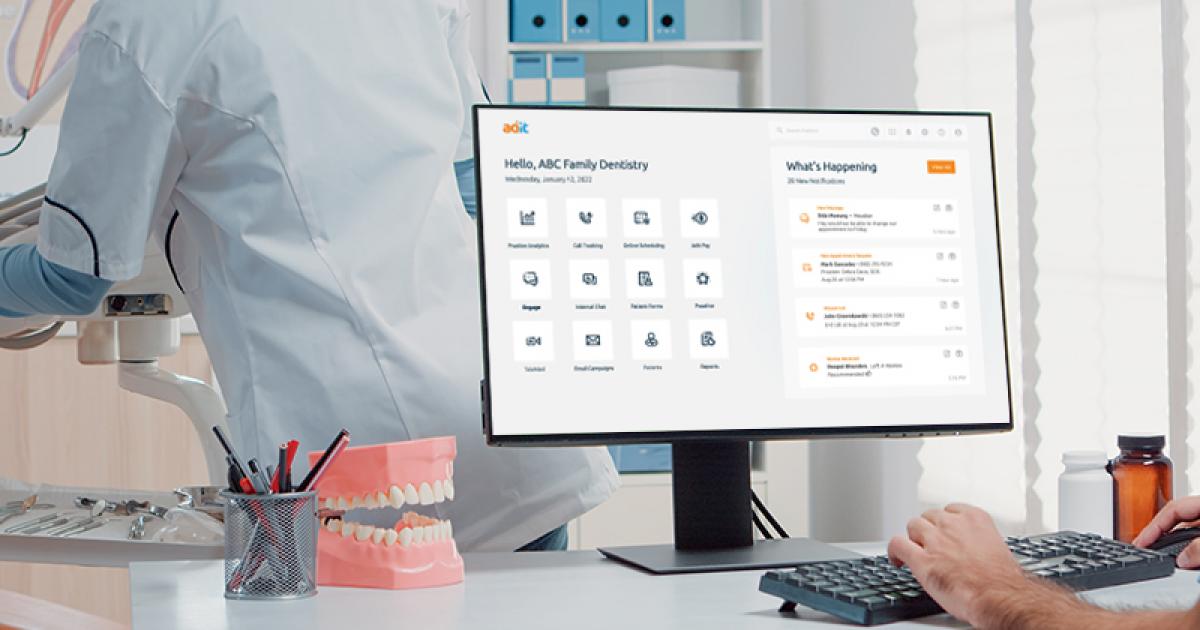
Transitioning to digital systems is a cornerstone of sustainable dental practice management. Electronic health records (EHRs) eliminate the need for bulky paper charts, reducing paper consumption and storage space. Digital radiography reduces film waste and exposure to harmful chemicals. Paperless billing streamlines the billing process and reduces postage costs.
Implementing a comprehensive EHR system requires careful planning and training. Ensure that the system is HIPAA compliant and that patient data is securely protected. Digital radiography systems require an initial investment in sensors and software, but the long-term benefits outweigh the costs. Patients also appreciate the convenience of online appointment scheduling and access to their records.
The cost savings associated with reduced paper consumption and storage are substantial. Paper, ink, and storage space all add up over time. Digital systems also improve efficiency and reduce the risk of lost or misplaced records. A secure, cloud-based EHR system provides access to patient data from anywhere with an internet connection.
Security and privacy are paramount when transitioning to digital systems. Implement robust security measures to protect patient data from unauthorized access. Regularly back up data to prevent loss in the event of a system failure. Ensure that all staff members are trained on proper data security protocols.
- Electronic Health Records (EHRs): Reduce paper consumption and storage.
- Move to digital radiography to stop buying film and dealing with developer chemicals.
- Paperless Billing: Streamline billing and reduce postage.
- Online Scheduling: Improve patient convenience.
Financial Incentives & ROI of Sustainability
Implementing sustainable practices isn't just ethically responsible; it can also be financially rewarding. Reduced water and energy consumption directly translate to lower utility bills. Minimizing waste reduces disposal fees. Optimizing material usage lowers supply costs. These savings can add up significantly over time.
Several tax credits, grants, and rebates are available for eco-friendly upgrades. The Database of State Incentives for Renewables & Efficiency (DSIRE) (dsireusa.org) is a valuable resource for identifying incentives in your area. The ADA and CDA may also offer programs or resources to support sustainable practice initiatives.
Calculating the ROI of sustainability investments requires careful consideration. For example, a low-flow dental chair might cost $5,000 more upfront, but it could save $500 per year in water costs. This means the investment would pay for itself in 10 years. A similar analysis can be conducted for other sustainability investments, such as energy-efficient lighting or water recycling systems.
The reputation boost is real. Patients talk, and being the 'eco-friendly' office in town is a specific, effective niche. While the upfront costs for solar or high-end filtration are high, the long-term stability of lower overhead makes the practice more resilient.future of your practice.
- Reduced Utility Bills: Lower water and energy costs.
- Minimized Waste Disposal Fees: Less waste, lower fees.
- Tax Credits & Rebates: Incentives for eco-friendly upgrades.
- Increased Patient Attraction: Appeal to environmentally conscious patients.
Looking Ahead: Trends in Sustainable Dentistry for 2026
The field of sustainable dentistry is rapidly evolving. We can expect to see continued innovation in materials, technologies, and practices. Biodegradable dental implants are currently under development, offering a potential solution to the environmental concerns associated with traditional titanium implants. 3D-printed dental materials, made from sustainable sources, are also gaining traction.
The use of artificial intelligence (AI) to optimize resource utilization is another emerging trend. AI algorithms can analyze energy consumption patterns, identify areas for improvement, and automate energy-saving measures. AI can also be used to optimize inventory management, reducing waste and minimizing the need for frequent deliveries.
Regulations and patient expectations are likely to become more stringent in the coming years. Governments may introduce stricter environmental regulations for dental practices, and patients will continue to demand eco-friendly options. Practices that proactively embrace sustainability will be well-positioned to thrive in this evolving landscape.
The future of dentistry is undoubtedly sustainable. By embracing innovation, adopting best practices, and prioritizing environmental responsibility, we can create a healthier planet for future generations. Dentistry Guidelines will continue to monitor these trends and provide insights to help dental professionals navigate this evolving field.

No comments yet. Be the first to share your thoughts!