

Dentistry’s Shifting Terrain
Dentistry is changing. For years, dental practice meant chairside procedures and direct patient interaction. Now, technology, patient expectations, and the demand for access to care are reshaping the field. Digital radiography and CAD/CAM systems were early signs, but these shifts are accelerating.
Dental innovation used to focus on materials and techniques. Now, the change is about how we deliver care, driven by digital technologies that extend the dentist's reach and improve practice efficiency.
These changes are creating new career paths. While the general dentist role remains, demand is growing for specialists in teledentistry and digital oral health. These roles offer unique opportunities for dentists looking to specialize or enter the profession.
Teledentistry’s Rapid Expansion
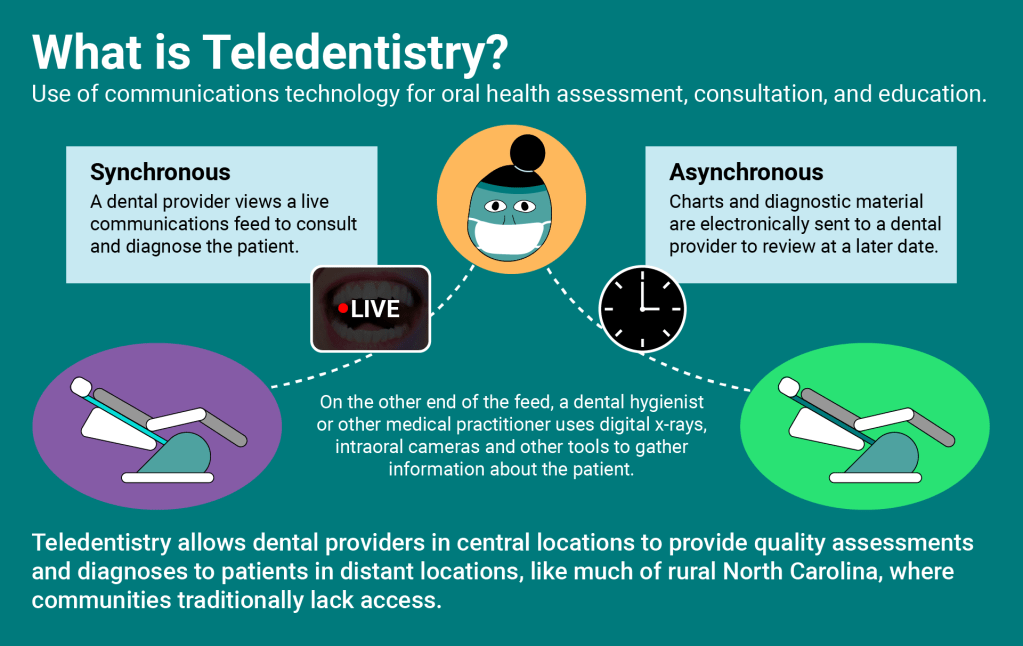
Teledentistry, using electronic communication for dental care, is growing rapidly. The ADA has recognized it for years, but the pandemic accelerated its adoption, moving it from a niche service to mainstream practice.
Teledentistry has three main types: Asynchronous (store-and-forward) collects patient data like images and history for later review. Synchronous uses live video for real-time consultations. Remote patient monitoring uses devices to transmit patient data for ongoing oversight.
undefined and varies considerably from state to state. Some states have comprehensive teledentistry regulations, while others treat it as a form of general medical practice. The ADA is actively working to standardize these regulations and advocate for policies that support the safe and effective use of teledentistry. Currently, common teledentistry services include consultations, post-operative checks, oral health education, and triage for emergency care. The Florida Dental Association notes that teledentistry can help overcome barriers to access, especially in rural communities.
The ADA’s Center for Professional Success offers resources to help dentists navigate the legal and practical aspects of teledentistry. Reimbursement for teledentistry services is also evolving, with more insurance companies beginning to cover certain procedures. However, parity in reimbursement between in-person and teledentistry services remains a challenge.
The Rise of the Digital Oral Health Specialist
A relatively new role emerging within dentistry is the Digital Oral Health Specialist. Unlike specialties formally recognized by the American Dental Association, this position isn’t yet standardized. However, the increasing reliance on digital technologies in dental practice is driving demand for professionals with specialized skills in this area. It's a field that’s still being defined, with responsibilities varying depending on the practice.
What skills define a Digital Oral Health Specialist? Proficiency in CAD/CAM systems is essential, as is experience with 3D printing, intraoral scanning, and digital radiography. They often play a key role in analyzing digital images, designing restorations, and overseeing the implementation of new digital workflows. Data analysis is also becoming increasingly important, as practices collect more and more patient data.
There's some overlap between the Digital Oral Health Specialist role and existing roles like dental technicians and dental hygienists. A skilled lab technician, for example, may already possess expertise in CAD/CAM design. However, the Digital Oral Health Specialist typically has a broader scope of practice, often working directly with patients and collaborating with dentists to develop treatment plans. It's a role that requires a strong understanding of both clinical dentistry and digital technology.
- CAD/CAM proficiency
- 3D printing expertise
- Intraoral scanning skills
- Digital radiography knowledge
- Data analysis capabilities
Education and Training Pathways
Dental schools are responding to the growing demand for digitally-skilled dentists by incorporating more digital dentistry training into their curricula. This includes courses on CAD/CAM design, intraoral scanning, and digital radiography. However, the extent of this training varies significantly between schools. The American Dental Education Association (ADEA) is advocating for the integration of digital health competencies into dental education.
For dentists already in practice, continuing education courses and certifications offer opportunities to acquire new digital skills. Numerous companies offer training programs on specific technologies, such as iTero scanners or CEREC systems. These courses can range from introductory workshops to advanced certification programs. Many are offered online, providing flexibility for busy practitioners.
The future of education for the Digital Oral Health Specialist role is less clear. It's possible that formal post-graduate programs will emerge, but currently, most individuals acquire these skills through on-the-job training and continuing education. Dental technicians and hygienists may be particularly well-positioned to transition into this role, leveraging their existing clinical skills and acquiring new digital competencies.
Job Market Outlook: 2026 and Beyond
The job market for both teledentistry and digitally-skilled dentists is expected to grow significantly in the coming years. While precise figures are difficult to predict, the overall trend is clear: digital dentistry is here to stay. The Bureau of Labor Statistics projects a 6% growth in employment for dentists between 2022 and 2032, but this figure doesn't fully capture the demand for specialized digital skills.
The ADA estimates that the number of teledentistry consultations will continue to increase as the technology becomes more widely accepted and insurance coverage expands. Demand is particularly strong in rural areas and underserved communities, where access to traditional dental care is limited. This presents a significant opportunity for dentists to expand their practice and reach new patients.
Salary expectations for digitally-skilled dentists and Digital Oral Health Specialists vary depending on experience, location, and the specific skills possessed. However, individuals with expertise in CAD/CAM design, 3D printing, and teledentistry can generally command higher salaries than those without these skills. A 2023 report by Patterson Dental suggests that dentists proficient in digital workflows see a 15-20% increase in practice revenue.
- 6% projected growth for dentists (2022-2032) - Bureau of Labor Statistics
- 15-20% practice revenue increase with digital workflows - Patterson Dental (2023)
Dentistry Career Path Comparison: Projected Outlook to 2026
| Career Path | Job Outlook | Salary Potential | Required Skills | Work-Life Balance |
|---|---|---|---|---|
| General Dentist | Medium | High | Extensive clinical skills, diagnostic ability, practice management | Medium |
| Teledentist | High | Medium | Clinical expertise, teledentistry platform proficiency, communication skills | High |
| Digital Oral Health Specialist | High | Medium-High | Digital dentistry technologies (CAD/CAM, intraoral scanners), data analysis, technical proficiency | Medium-High |
| Dental Hygienist | High | Medium | Clinical skills in preventative dentistry, patient education, attention to detail | Medium |
| Dental Technician | Medium | Medium | Technical skills in dental materials and fabrication, precision, artistry | Medium |
Illustrative comparison based on the article research brief. Verify current pricing, limits, and product details in the official docs before relying on it.
Technology Driving the Change
Several key technologies are fueling the shift towards digital dentistry. Intraoral scanners – like the iTero and Primescan – allow dentists to create highly accurate digital impressions without the need for messy traditional materials. CAD/CAM systems – such as CEREC – enable dentists to design and fabricate restorations chairside, reducing lab turnaround times and improving patient convenience.
Teledentistry platforms are becoming increasingly sophisticated, offering features like secure video conferencing, electronic health record integration, and remote monitoring capabilities. The rise of AI-powered diagnostic tools is also transforming the practice of dentistry, assisting dentists with tasks like caries detection and treatment planning. These tools are not meant to replace the dentist, but rather to augment their skills and improve diagnostic accuracy.
Finally, the increasing use of cloud-based practice management software is streamlining workflows and improving data management. These systems allow dentists to access patient records from anywhere, collaborate with colleagues, and automate administrative tasks. This interconnectedness is essential for the efficient delivery of modern dental care.
Challenges and Considerations
Despite the many benefits of teledentistry and digital dentistry, several challenges remain. Broadband access is a significant barrier, particularly in rural areas where internet connectivity is limited. Reimbursement issues also pose a challenge, as insurance coverage for teledentistry services is still evolving. Patient acceptance is another factor to consider, as some patients may prefer traditional in-person care.
For the Digital Oral Health Specialist role, defining the scope of practice is crucial. It’s important to ensure that these professionals are adequately trained and qualified to perform the tasks assigned to them. Proper training and continuing education are essential to maintain competency in this rapidly evolving field.
Data security and patient privacy are paramount concerns in the digital age. Dental practices must implement robust security measures to protect patient data from unauthorized access and cyber threats. Compliance with HIPAA regulations is essential, and dentists should stay informed about the latest data security best practices.
Future Trends: What’s on the Horizon?
Looking ahead, several new technologies and trends are likely to shape the future of teledentistry and digital oral health. The potential of artificial intelligence (AI) and machine learning is enormous, with applications ranging from automated diagnosis to personalized treatment planning. Virtual reality (VR) could also play a role, providing immersive training experiences for dental professionals and enhancing patient education.
We may see more specialization within digital dentistry, with professionals focusing on specific areas like digital orthodontics or digital implantology. 3D printing is expected to become even more prevalent, enabling the creation of customized dental appliances and prosthetics. The convergence of these technologies will continue to drive innovation and transform the practice of dentistry.
Ultimately, the goal is to leverage technology to improve patient care, increase access to dental services, and enhance the efficiency of dental practices. The dentists who embrace these changes and adapt to the evolving landscape will be best positioned for success in the years to come.

No comments yet. Be the first to share your thoughts!