

Teledentistry’s Rapid Ascent
Teledentistry, the use of telecommunications technology to provide dental care, is reshaping dentistry career paths. Projections suggest substantial growth, with some estimates indicating a market size exceeding $2.5 billion by 2026, making it a rapidly expanding segment within the dental field.
Several factors are fueling this expansion. Increased demand for convenient and accessible healthcare is a major driver. People want options that fit their busy lives, and teledentistry delivers. Technological advancements, like high-resolution intraoral cameras and secure video conferencing platforms, have made remote consultations more effective and reliable. Patient expectations are also shifting; they're accustomed to virtual interactions in other aspects of their lives and expect the same from their healthcare providers.
This represents a fundamental shift in how dental care is delivered, moving towards greater efficiency, accessibility, and patient-centeredness. This shift creates opportunities for dental professionals willing to embrace new technologies and adapt to evolving patient needs, offering a chance to redefine work-life balance and expand their reach.
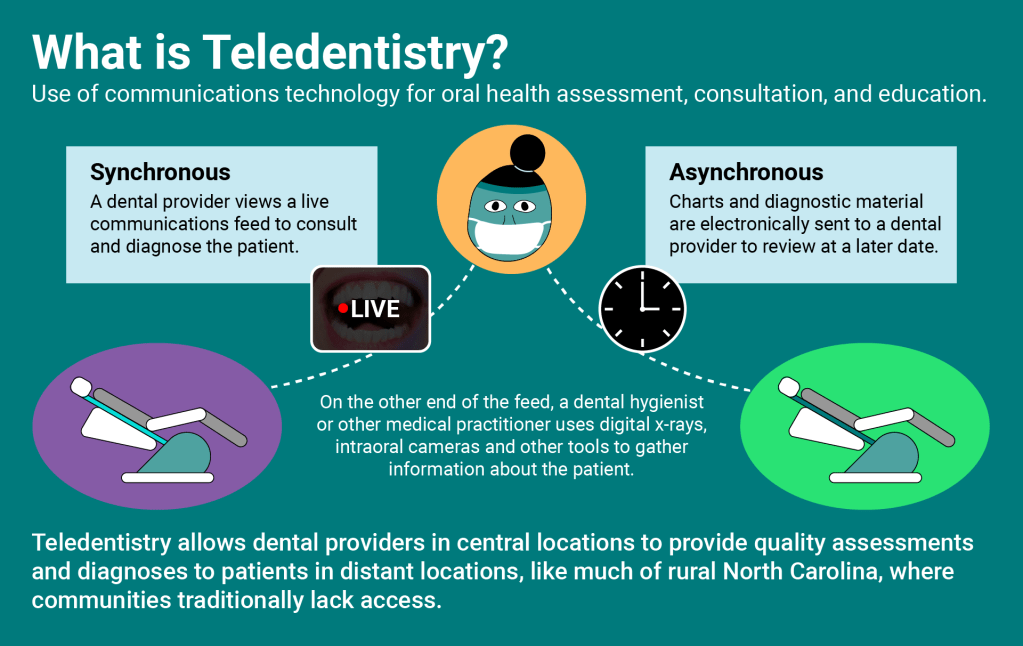
What Does a Teledentist Actually Do?
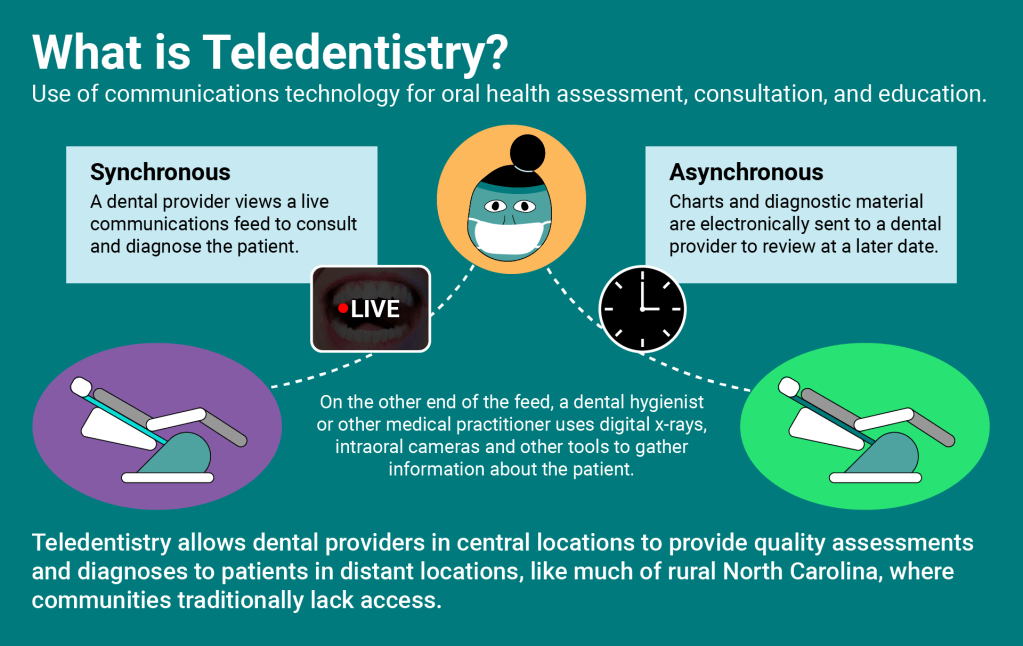
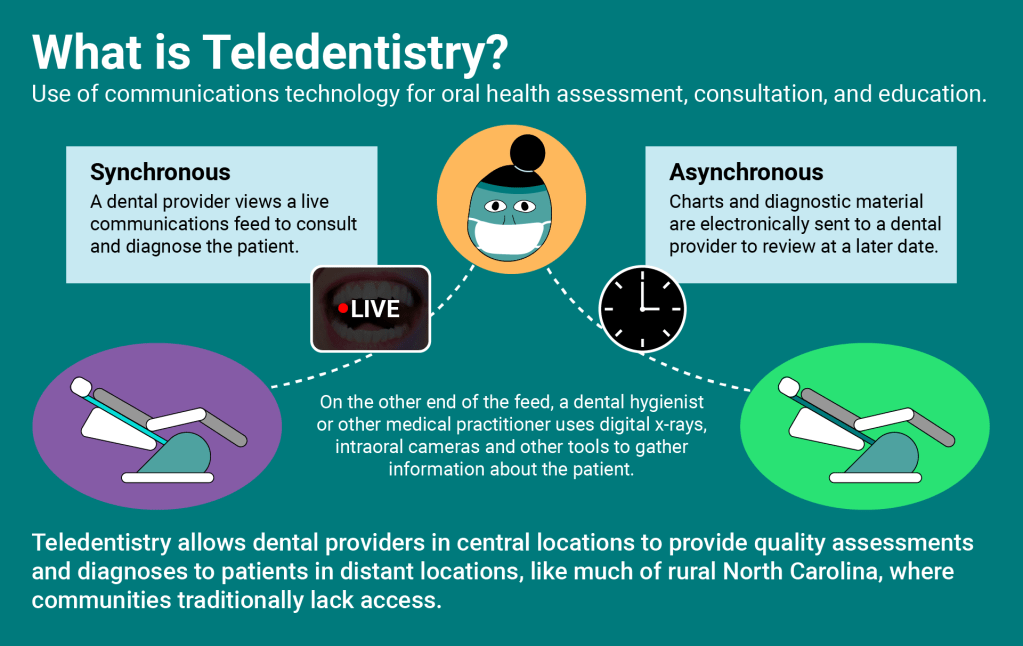
A teledentist's scope of practice is broad, encompassing more than just remote check-ups. While visual examinations are part of it, teledentistry offers a wide range of services. Many teledentists begin by conducting remote consultations, assessing patient concerns and determining the appropriate course of action.
A significant portion of teledentistry work involves triaging dental emergencies. A dentist can evaluate a patient’s symptoms remotely and advise them on whether immediate in-person care is necessary. This is particularly valuable for patients in rural areas or those with limited mobility. Furthermore, teledentists frequently review radiographs – x-rays – to diagnose issues and plan treatment. They also provide detailed oral hygiene instructions, tailored to individual patient needs.
Monitoring orthodontic treatment is another growing area. Many patients with braces or aligners can have their progress assessed remotely through submitted photos and videos. In some states, and with the appropriate training and licensing, dentists can even prescribe medications remotely. Regulations regarding remote prescribing vary considerably by location, so staying up-to-date on state laws is critical. This variety makes it an appealing dentistry career path for many.
The role is not solely diagnostic. Teledentists also spend considerable time educating patients about preventative care, answering questions, and providing support, building relationships even in a virtual space. The focus is on empowering patients to take control of their oral health.
Teledentistry Roles: Beyond the Dentist
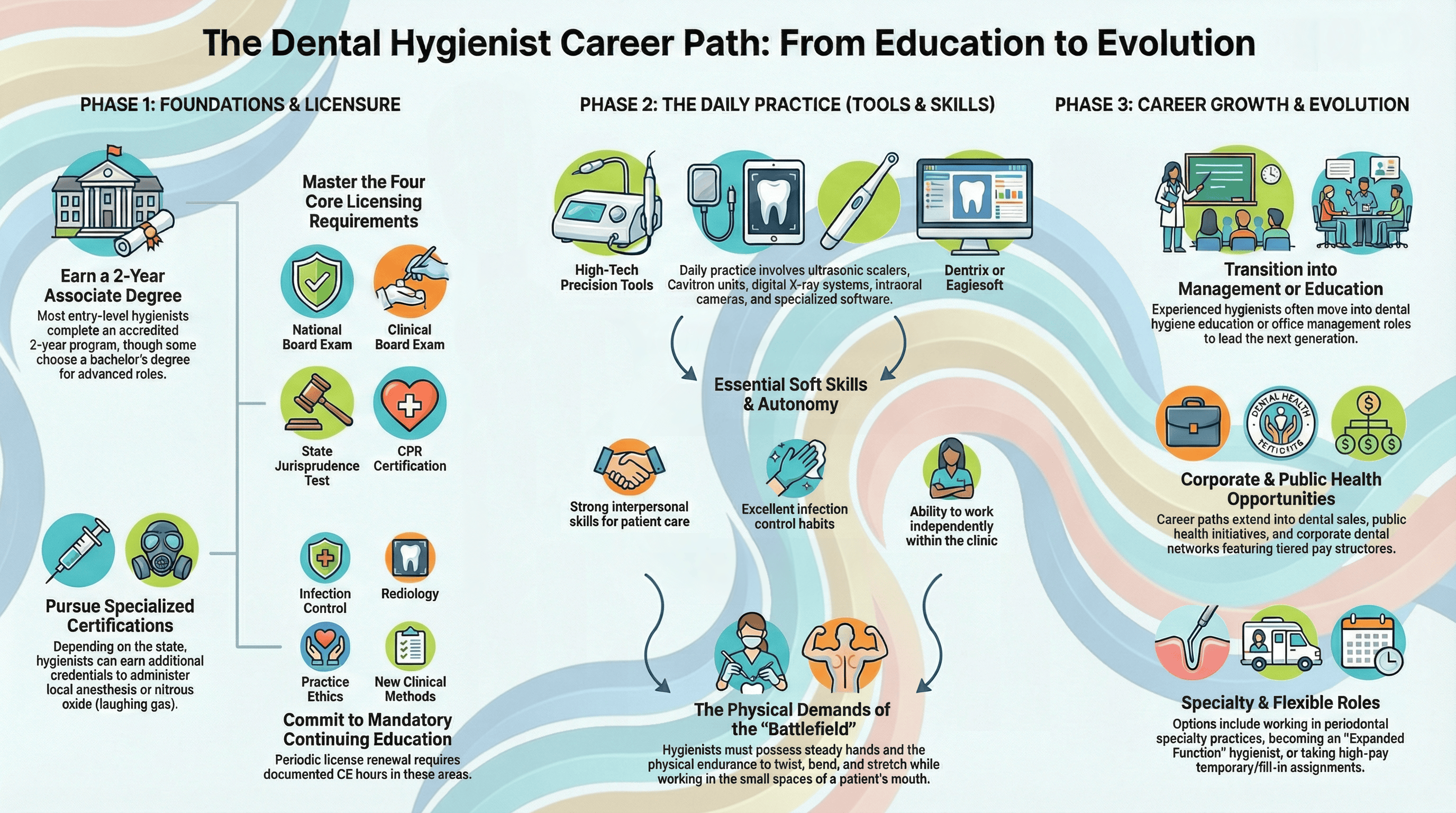
While many think of the dentist as the sole teledentistry practitioner, a thriving practice requires a diverse team. Opportunities extend beyond the DDS role, opening doors for a wider range of dental professionals. Dental hygienists, for example, are increasingly involved in providing remote oral cancer screenings and periodontal assessments.
Dental assistants play a crucial supporting role, assisting with virtual consultations, managing patient records, and preparing materials for remote appointments. The demand for IT professionals specializing in dental software and cybersecurity is also growing rapidly. Protecting patient data is paramount, and skilled IT support is essential for maintaining compliance with HIPAA regulations.
Customer support is also vital. Teledentistry platforms need dedicated staff to assist patients with technical issues, answer questions, and provide a positive user experience. These roles don’t always require a clinical background, making teledentistry accessible to individuals with a variety of skills and interests.
- Dental Hygienist: Remote screenings, periodontal assessments
- Dental Assistant: Virtual consultation support, record management
- IT Professional: Dental software, cybersecurity, HIPAA compliance
- Customer Support: Technical assistance, patient support
Teledentistry Roles by Qualification
- Dentist (DDS/DMD) - Teledentists provide remote diagnoses, treatment planning, and consultations, often utilizing live video conferencing and digital record review to assess patient needs.
- Virtual Dental Health Coach (DDS/DMD) - Dentists in this role focus on preventative care guidance, oral hygiene instruction, and chronic disease management support delivered remotely to patients.
- Registered Dental Hygienist (RDH) - Remote dental hygienists conduct virtual oral health screenings, provide personalized oral hygiene instructions, and offer post-operative care guidance.
- Teledentistry Coordinator (RDH/CDA) - These professionals manage the logistical aspects of teledentistry programs, including scheduling appointments, verifying insurance, and assisting patients with technology.
- Dental Assistant (CDA) - Remote dental assistants may assist with administrative tasks, patient communication, and preliminary data collection for teledentistry appointments.
- Software Developer (IT/Software) - Developers specializing in healthcare IT create and maintain the software platforms and applications used for teledentistry, ensuring HIPAA compliance and a user-friendly experience.
- IT Support Specialist (IT/Software) - These specialists provide technical assistance to both dental professionals and patients using teledentistry platforms, troubleshooting connectivity issues and ensuring smooth operation.
- Customer Support Representative - Customer support representatives provide assistance to patients navigating teledentistry platforms, answering questions about services, and resolving technical issues.
Education and Licensing for Remote Practice
Educational requirements for practicing teledentistry are largely the same as for traditional dentistry. A Doctor of Dental Surgery (DDS) or Doctor of Dental Medicine (DMD) degree is typically required, followed by state licensure. However, specialized training in teledentistry techniques and technologies is increasingly needed.
Currently, there isn't a universally recognized teledentistry certification, though several organizations offer continuing education courses focused on remote care. The American Teledentistry Association (ATA) provides resources and advocacy for the field. State regulations regarding teledentistry vary significantly, with some states having specific laws governing remote prescribing and treatment, while others rely on existing regulations.
Thoroughly research the regulations in the state where you plan to practice. Remote prescribing, in particular, is a complex issue with varying requirements. Continuing education is also highly recommended to stay abreast of the latest advancements and best practices in teledentistry. The legal landscape is constantly evolving, so ongoing learning is crucial.
Essential Tech Skills for Teledentists
While clinical expertise remains paramount, success in teledentistry demands technical skills. Basic computer literacy is a given, but teledentists need proficiency with specific platforms, such as Pearl or Overjet. Familiarity with digital imaging software is also critical; accurately interpreting and annotating radiographs remotely is a core skill.
Data security and HIPAA compliance are non-negotiable. Teledentists must understand how to protect patient data and ensure the confidentiality of virtual consultations. Troubleshooting technical issues is another important skill, as patients may experience difficulties with their cameras, microphones, or internet connections, requiring basic technical support.
Teledentists don't need to be coding experts, but a comfort level with technology and a willingness to learn new tools are essential. The increasing use of AI-powered diagnostic tools in dentistry means familiarity with these technologies will become increasingly valuable.
- Proficiency with teledentistry platforms (e.g., Pearl, Overjet)
- Digital imaging software expertise
- Data security and HIPAA compliance
- Troubleshooting technical issues
- Familiarity with AI-powered diagnostic tools
Finding Teledentistry Jobs: Where to Look
The job market for teledentistry professionals is expanding rapidly. Online job boards specializing in telehealth positions, such as ZipRecruiter and Indeed, are good places to start. Use keywords like “teledentistry,” “remote dentist,” and “virtual dental assistant” in your searches.
Company websites are another resource. Many teledentistry companies, such as Smile Brands and DentaQuest, post job openings directly on their websites. Professional organizations, like the American Dental Association (ADA) and the American Teledentistry Association (ATA), also maintain job boards and career resources.
Networking with other dental professionals can open doors to new opportunities. Attend virtual conferences and webinars, and connect with colleagues on LinkedIn. Reach out to companies directly to inquire about potential openings, even if they haven’t advertised a specific position.
Salary Expectations & Growth Potential
Determining a precise salary for teledentistry positions can be tricky, as it varies based on experience, location, specialization, and practice type. Generally, teledentists can expect a comparable salary to their traditionally practicing counterparts. As of late 2023, the median annual wage for dentists was $163,220 according to the Bureau of Labor Statistics.
Remote positions may offer flexibility in earning potential, with opportunities for performance-based bonuses or the ability to take on additional consultations. Salary is just one component of compensation. Benefits, such as health insurance, paid time off, and retirement plans, should also be considered.
Projected salary growth for teledentistry professionals is strong, driven by increasing demand for remote care. As the field matures and more patients embrace virtual dentistry, salaries are expected to rise. Demand for specialized skills, such as proficiency with AI-powered diagnostic tools, will likely command a premium.
Teledentistry Role Comparison: Career Potential (2026 Outlook)
| Role | Salary Potential | Work-Life Balance | Career Advancement |
|---|---|---|---|
| Dentist (DDS) | High | Medium | High |
| Registered Dental Hygienist (RDH) | Medium | High | Medium |
| IT Support/Developer | Medium | Medium | High |
| Teledentistry Support Staff (Admin/Clinical Assistants) | Low | Medium | Low |
| Virtual Oral Health Coach | Medium | High | Medium |
| Teledentistry Consultant | High | Medium | Medium |
| Data Analyst (Teledentistry Focus) | Medium | High | Medium |
Illustrative comparison based on the article research brief. Verify current pricing, limits, and product details in the official docs before relying on it.
The Future of Remote Dental Care
Teledentistry's future involves advancements in technology, particularly in artificial intelligence (AI), virtual reality (VR), and augmented reality (AR), which will transform the field. AI-powered diagnostic tools will assist dentists in identifying potential problems more accurately and efficiently. VR and AR could provide immersive patient education and guide remote procedures.
I anticipate that teledentistry will become increasingly integrated into mainstream dental care, rather than being seen as a separate entity. We may see hybrid models emerge, where patients receive a combination of in-person and remote care. The key to realizing the full potential of teledentistry lies in addressing challenges related to equitable access.
Ensuring that all patients, regardless of their location or socioeconomic status, have access to affordable and reliable teledentistry services is crucial. This will require addressing issues related to broadband access, digital literacy, and insurance coverage. Overcoming these hurdles will unlock the full benefits of remote dental care and improve oral health outcomes for millions of people. It’s a field with enormous potential, and I’m eager to see how it evolves.

No comments yet. Be the first to share your thoughts!